Reisen nach Zentralasien, Kasachstan, Kirgisistan, Tadschikistan, Turkmenistan & Usbekistan
Reisen nach Zentralasien, Kasachstan, Kirgisistan, Tadschikistan, Turkmenistan & Usbekistan
The Best Time to Travel to Central Asia
A Seasonal Guide to Vist Central Asia
Central Asia is a region of incredible diversity, combining towering mountains, vast deserts, fertile valleys, and historic cities. The best time to travel varies greatly depending on the country, region, and altitude, so planning carefully is essential. Mountain areas, lowlands, and deserts each have very different climates, which affects the timing for sightseeing, trekking, and cultural experiences.
Kyrgyzstan
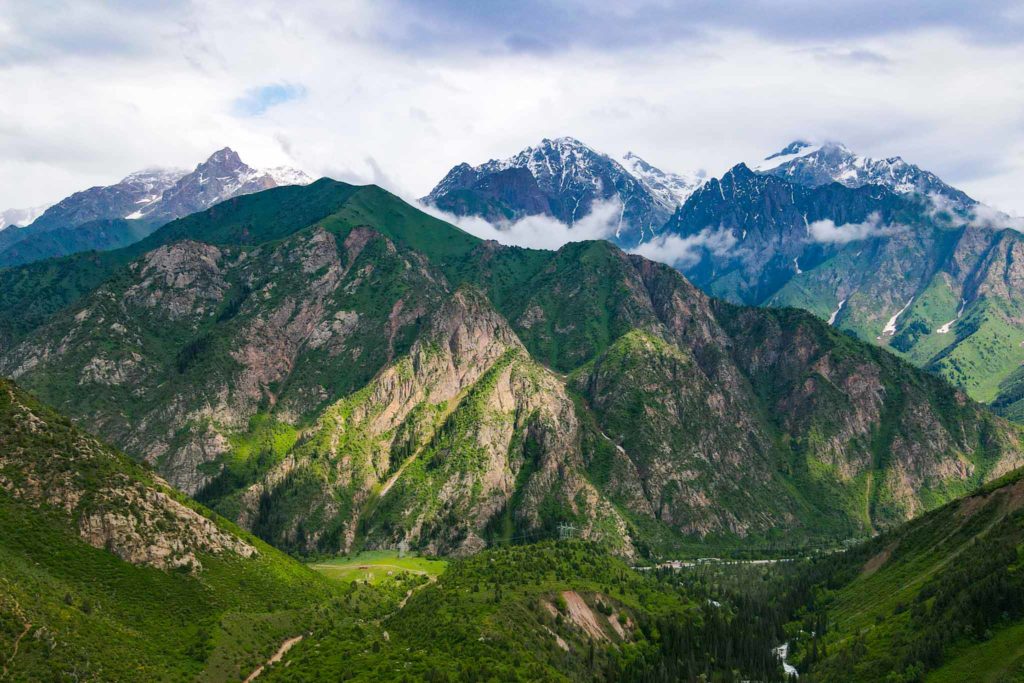
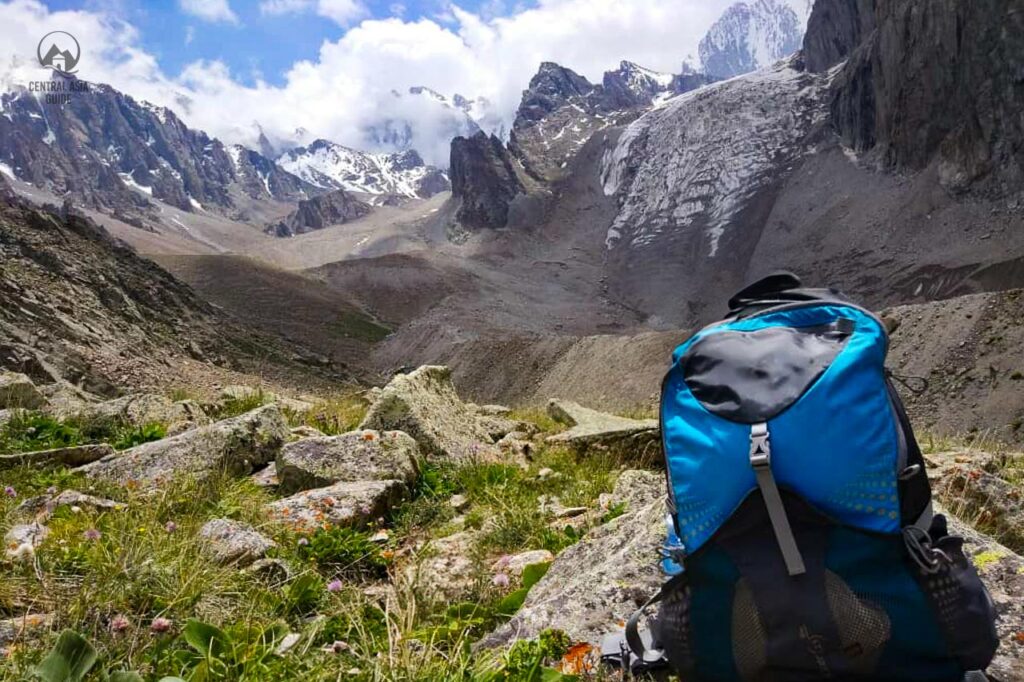
Kyrgyzstan is famous for its alpine landscapes and nomadic culture. The lowlands around Bishkek are warm and pleasant from May to September. In contrast, high-altitude areas, including Son Kul Lake, Ala-Archa National Park, and other parts of the Tien Shan, are only accessible in late June through early September. Trekking and yurt stays in the mountains are safest in July and August, as snow can linger in early summer, making trails difficult or dangerous.
Uzbekistan
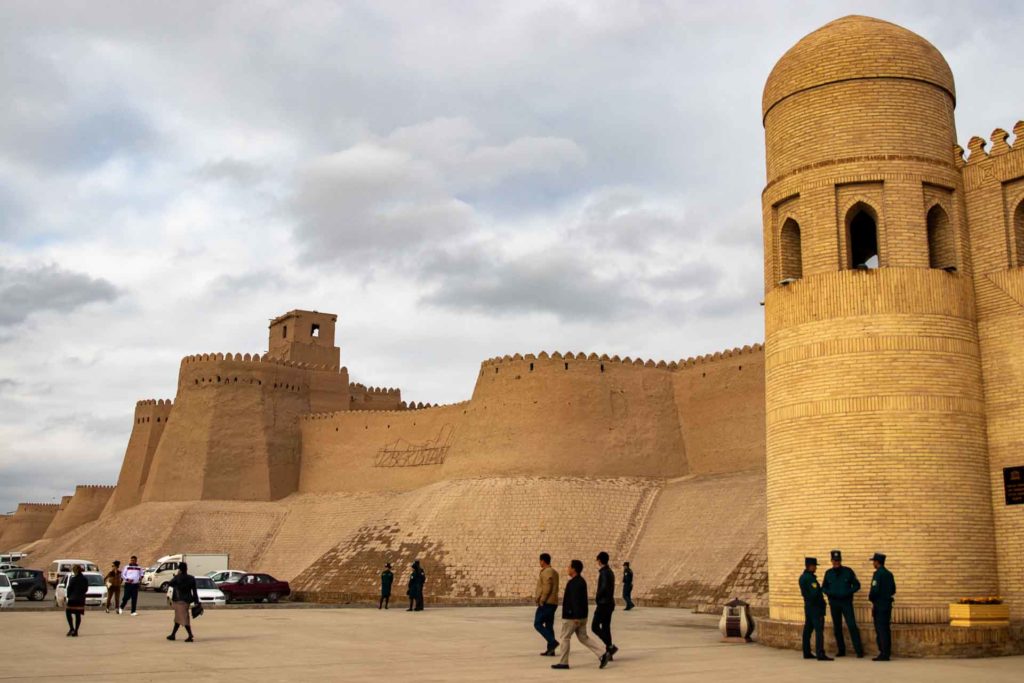
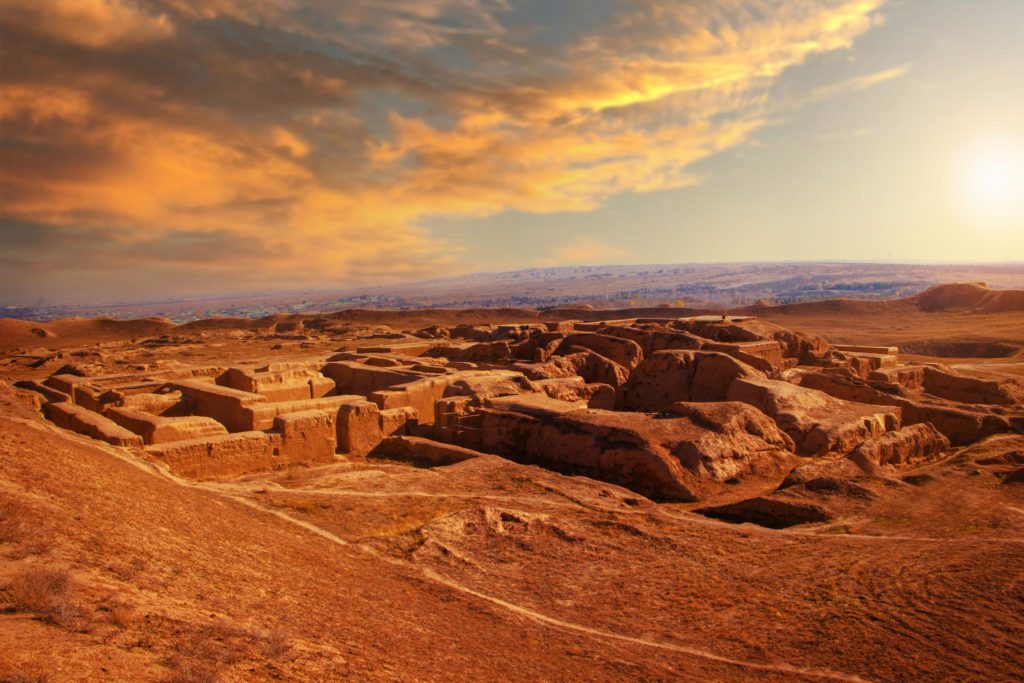
Uzbekistan is primarily desert and is renowned for its Silk Road cities like Tashkent, Samarkand, Bukhara, and Khiva. Summers are extremely hot, often reaching 40–45°C, so the best months to visit are April to early June and September to October, when temperatures are milder. Mountain areas, such as Chimgan and Nuratau, are comfortable in summer for trekking and outdoor activities, providing a cooler alternative to the scorching lowlands.
Tajikistan
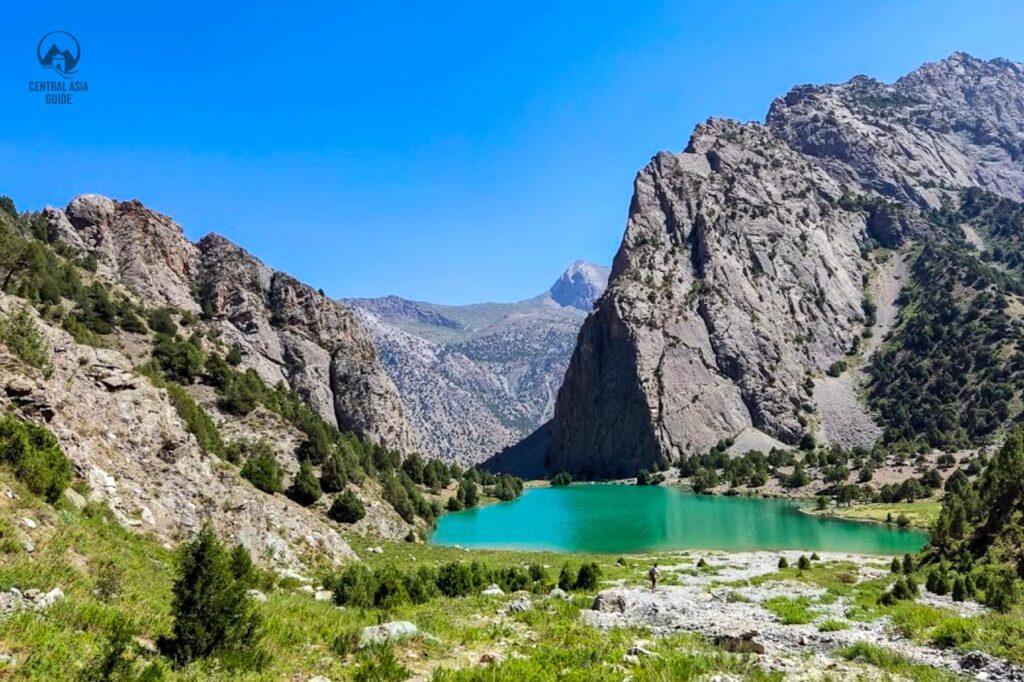
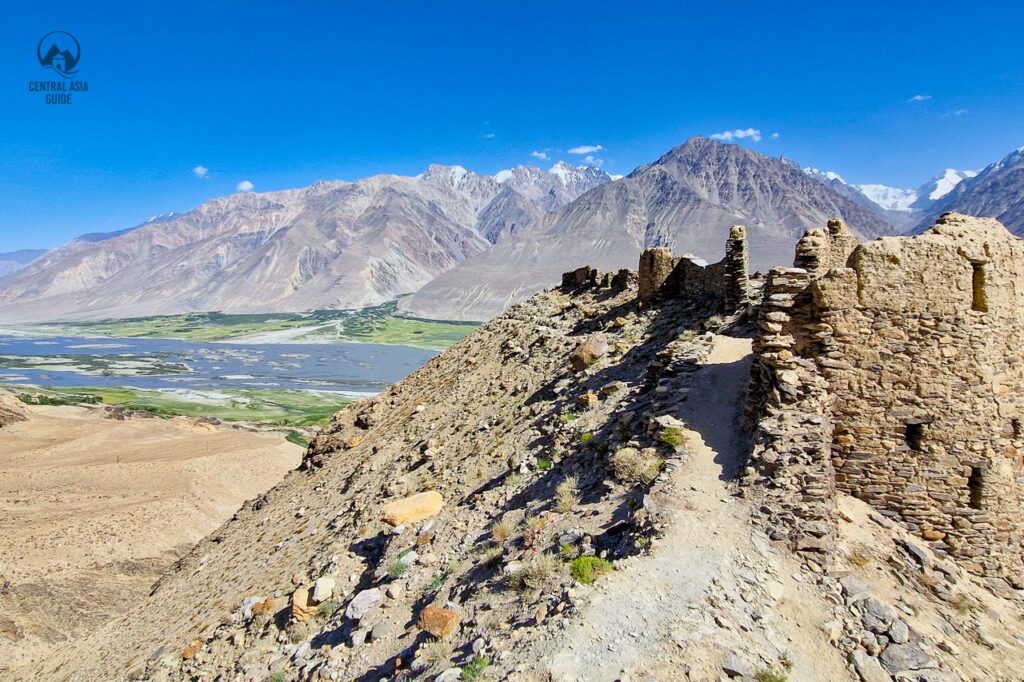
Tajikistan is characterized by dramatic contrasts between valleys and high mountains. Dushanbe and the lowlands are warm and pleasant in April to June and September to October. The high Pamir Mountains, however, remain cold and snowy for most of the year, so trekking and adventure travel are safest in July and August, sometimes extending into early September. Weather in the Gorno-Badakhshan region is unpredictable, so careful planning is essential for high-altitude trips.
Kazakhstan
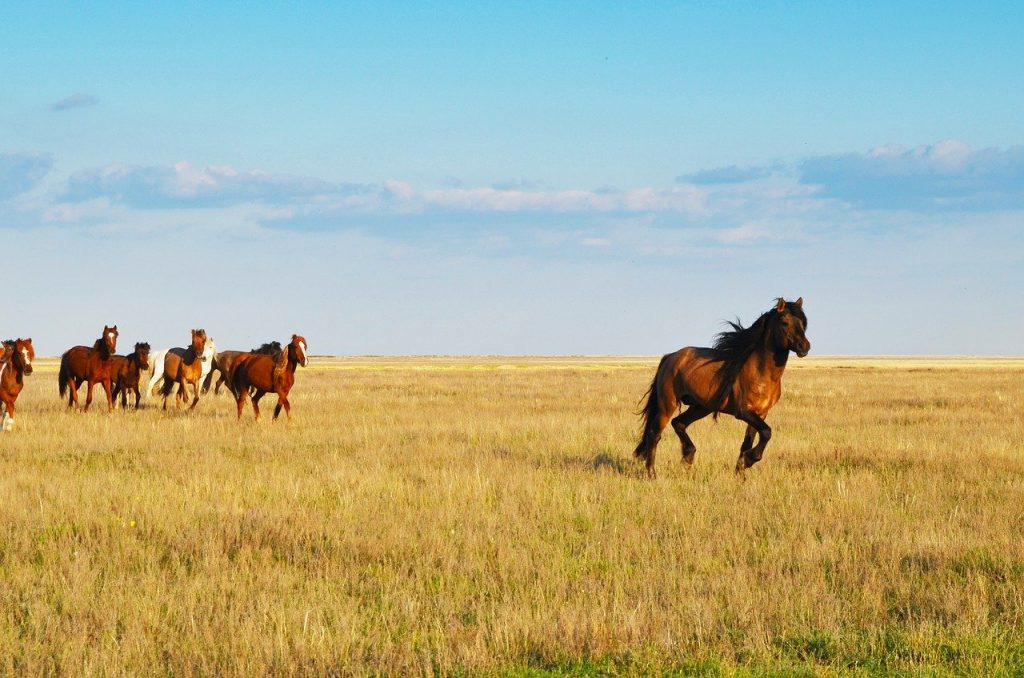
Kazakhstan is a vast country, and its climate varies significantly by region, so travel planning depends on which areas you want to visit. Northern and eastern regions are cooler, southern and western areas are milder in winter, and the mountains require careful timing for snow-free trekking.
South Kazakhstan, including Almatyand the mountains of Tien Shan, Altai, and Dzungarian Alatau, is ideal to visit from May to September. Winters are milder than in the north, and summers are warm. High-altitude areas remain snowy until June, so trekking, hiking, and yurt stays are best in July and August, when conditions are safe and temperatures are pleasant.
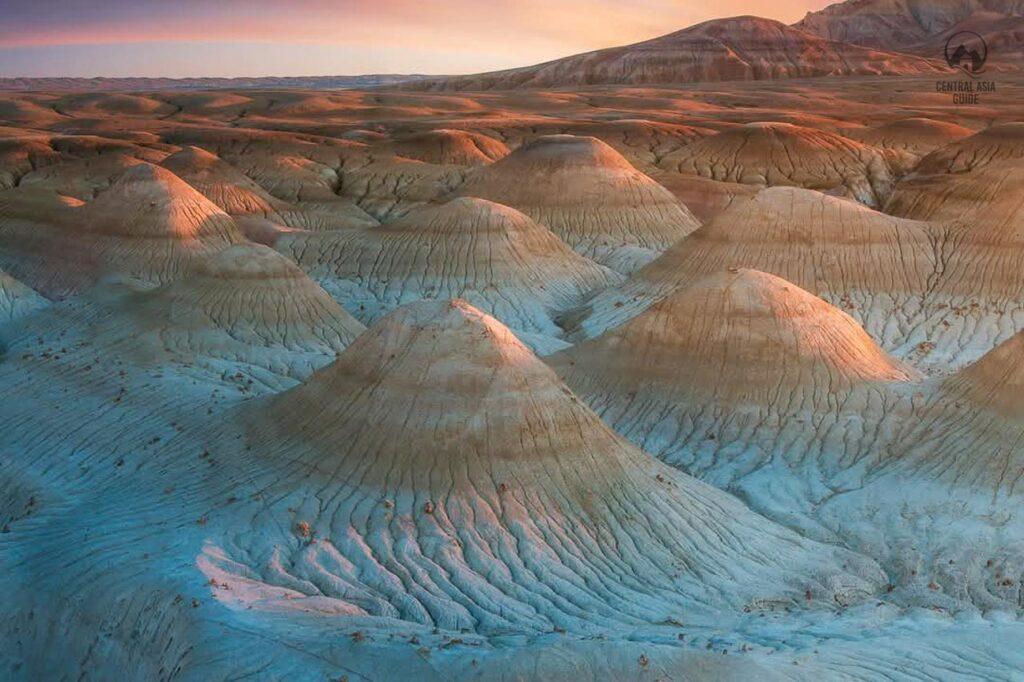
West Kazakhstan, including Mangystauand the Caspian coast, is drier and flatter, with hot summers and cold winters. Coastal areas near the Caspian Sea are slightly milder in winter. The best travel period is May to September.
East and North Kazakhstan have a continental climate, with cold winters and hot summers. The most comfortable periods for visiting are spring and early autumn, while July and August are suitable for outdoor activities and exploration.
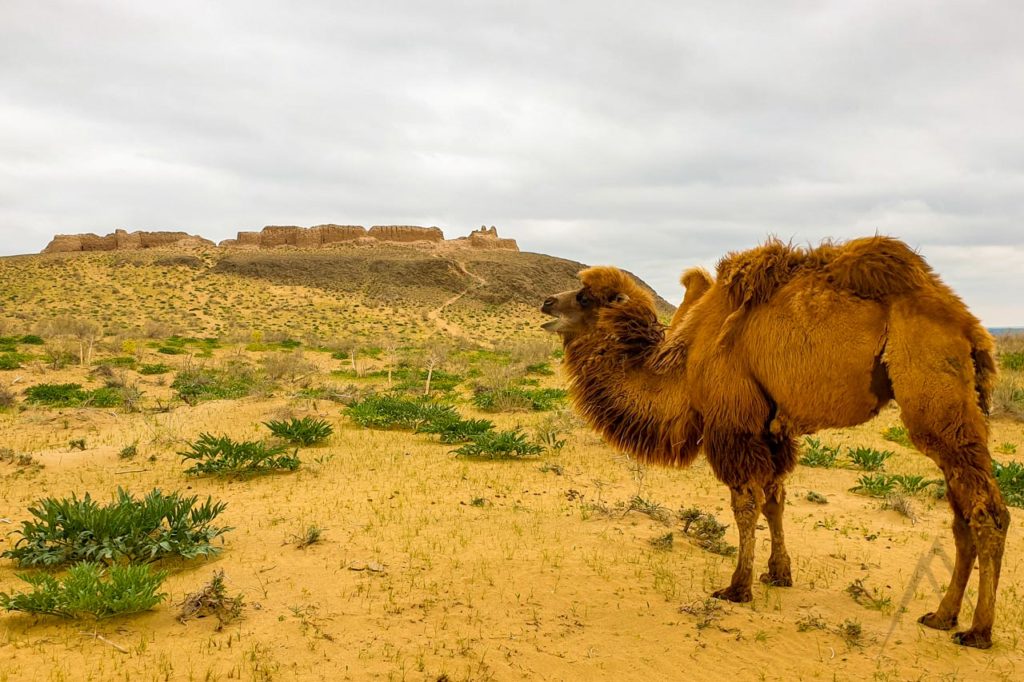
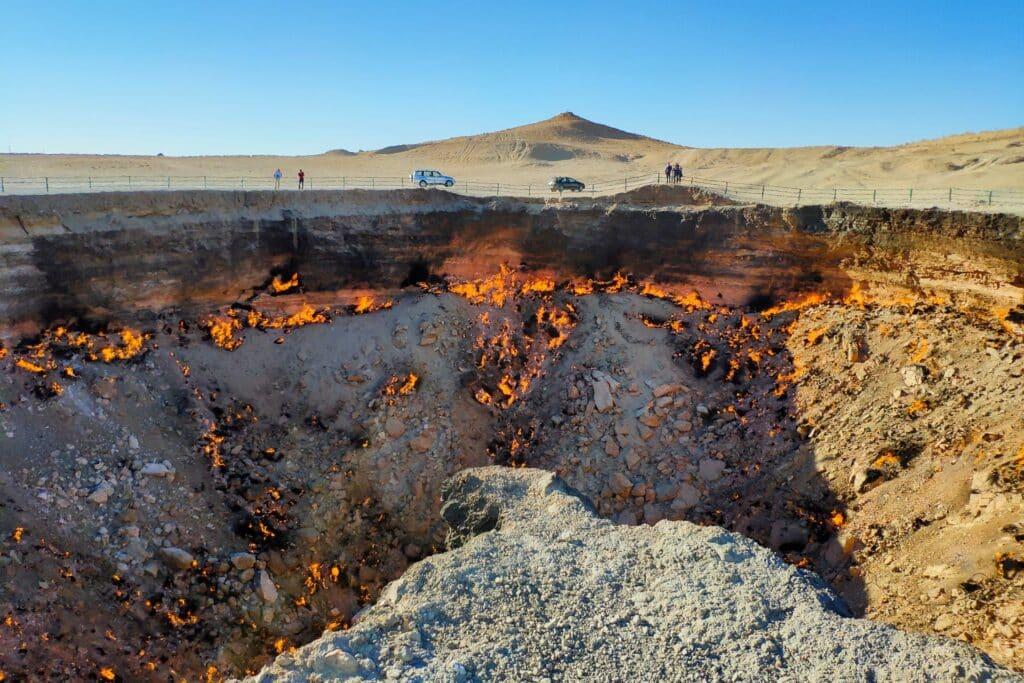
Turkmenistan
Turkmenistan is mostly desert, with scattered mountain ranges. Desert cities like Ashgabatand regions such as the Karakum Desertare extremely hot in summer, often exceeding 40°C, making spring (March–May) and autumn (September–early November) the most comfortable travel periods. Mountainous areas, including Köýtendag and Kopet Dag, are best explored in spring or autumn, when temperatures are moderate and hiking is safer.