
Song Kul
Song Kul Lake
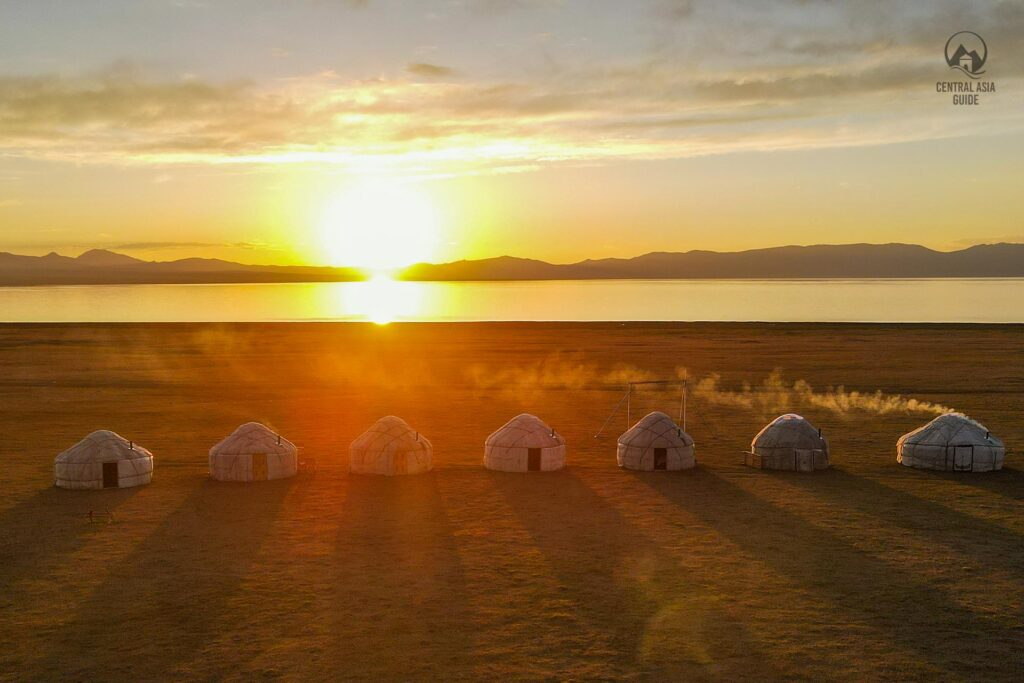
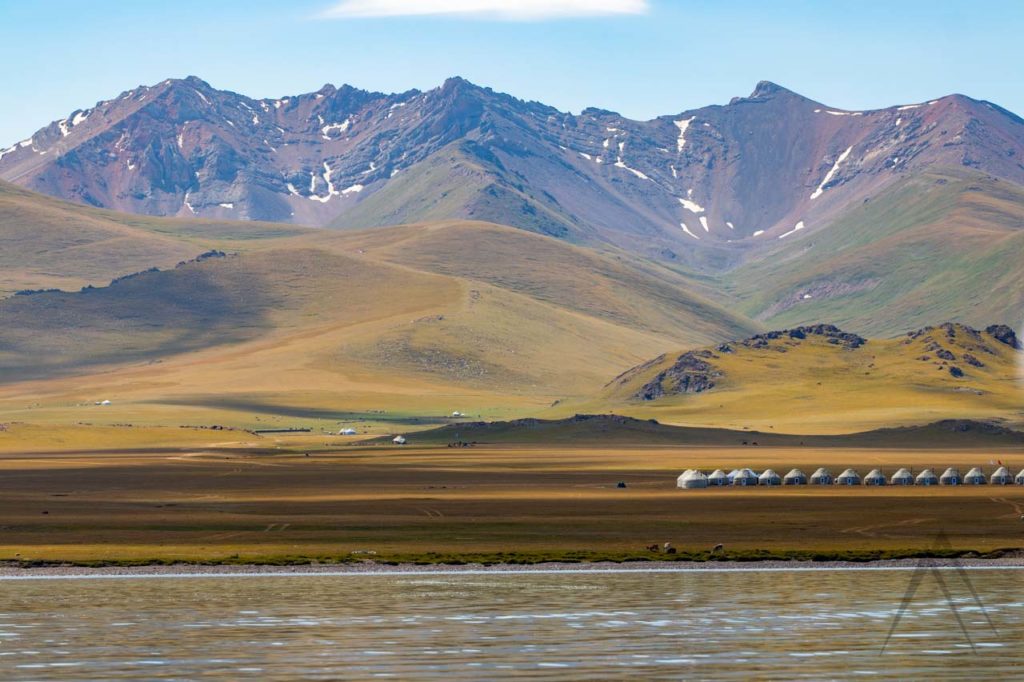
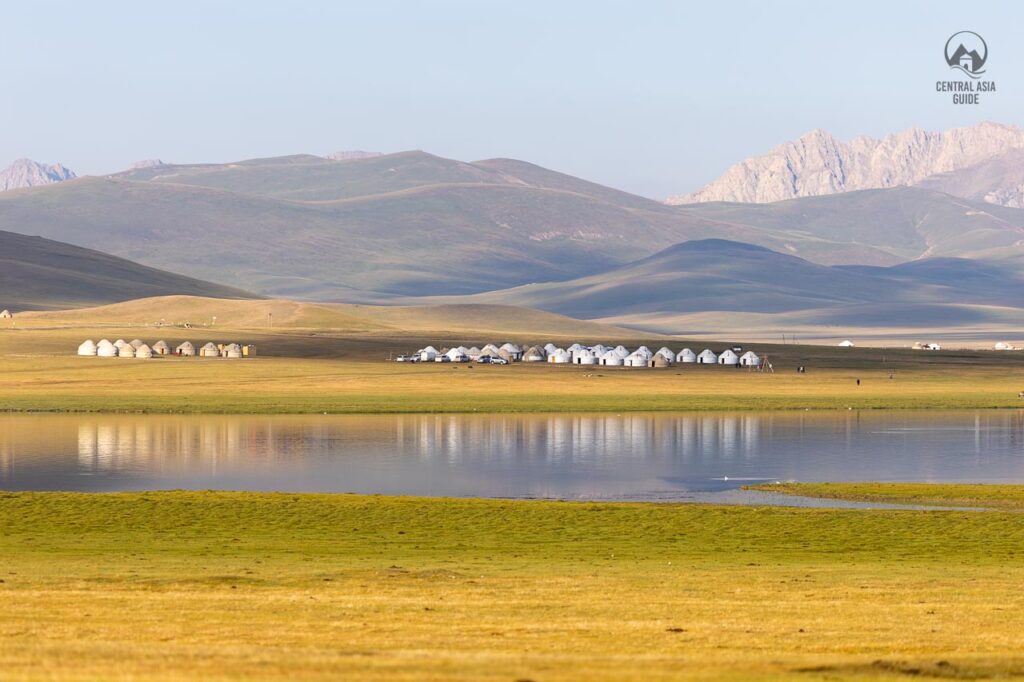
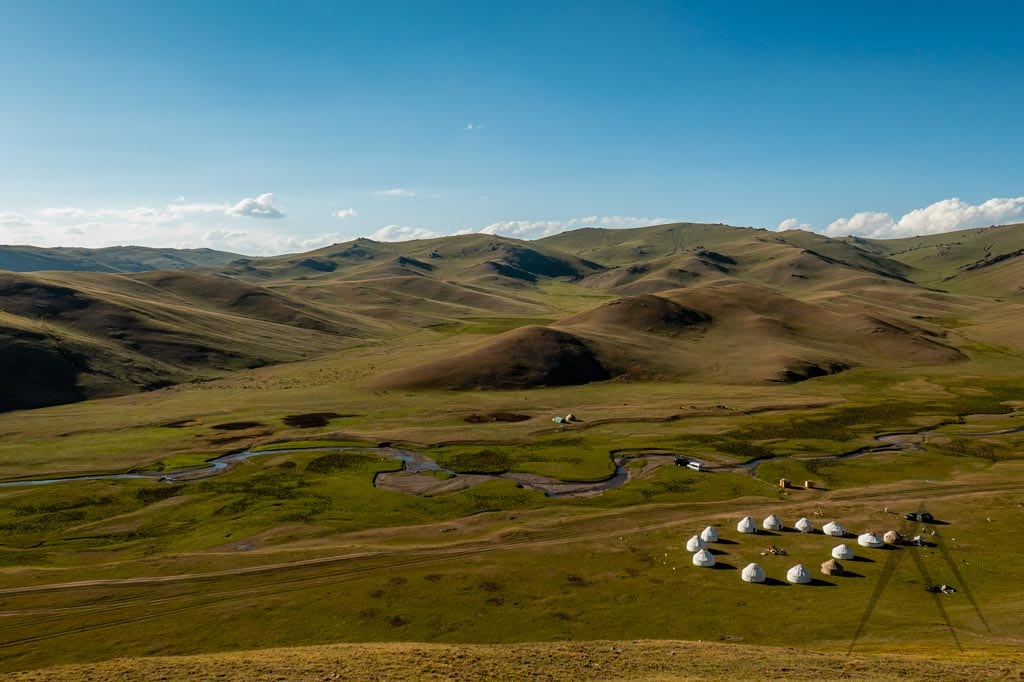
Song Kul (sometimes Son Kul, Song Köl or Son-Kul) is the largest freshwater lake in Kyrgyzstan with only Issyk-Kul being larger of all the Kyrgyz lakes. Song Kul lake is about 29 km long, only 13 meters deep and is elevated 3016 meters above the sea level and its name translates as the “last lake” logically as it is the highest lake in this region. The lake gets snow and ice free at the end of May and the best time to visit is in July – August as it can get very cold still in June but sometimes July as well, especially in the night times. The winters are harsh and no-one except for some brave tourists go to the area for horseback riding in the winter time. In August, Song Kul has often thunder storms and it can get rainy in the lake’s own micro climate while most of the lower regions are sunny. Song Kul is surrounded by yurt villages for tourists in the summer time but there are also nomads living by the shores of the lake who bring their animals grazing here for the mountain grass.
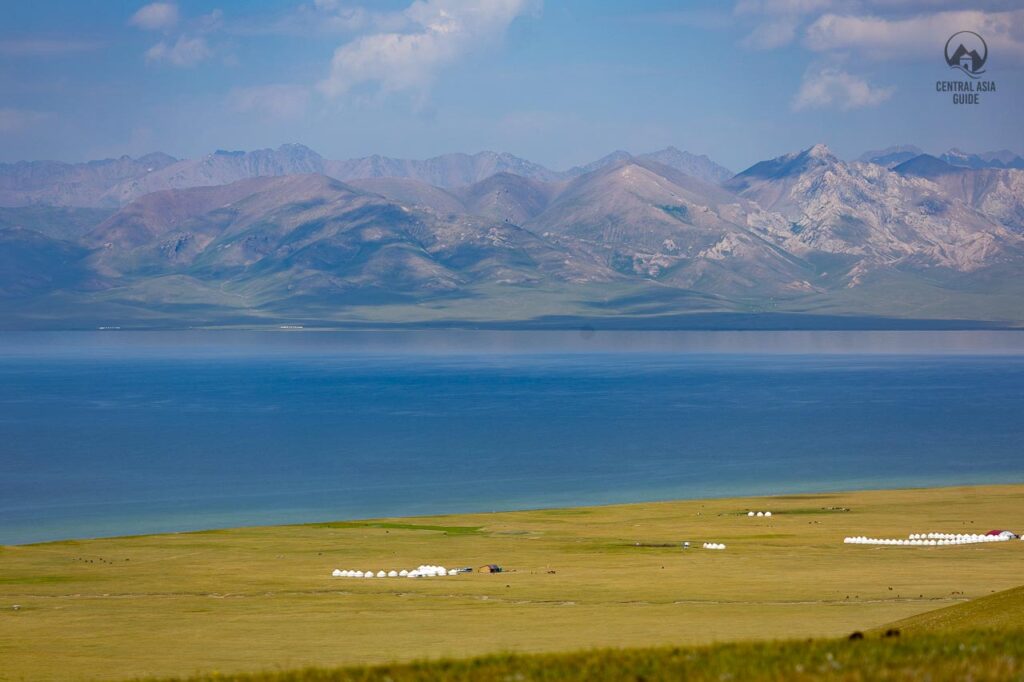
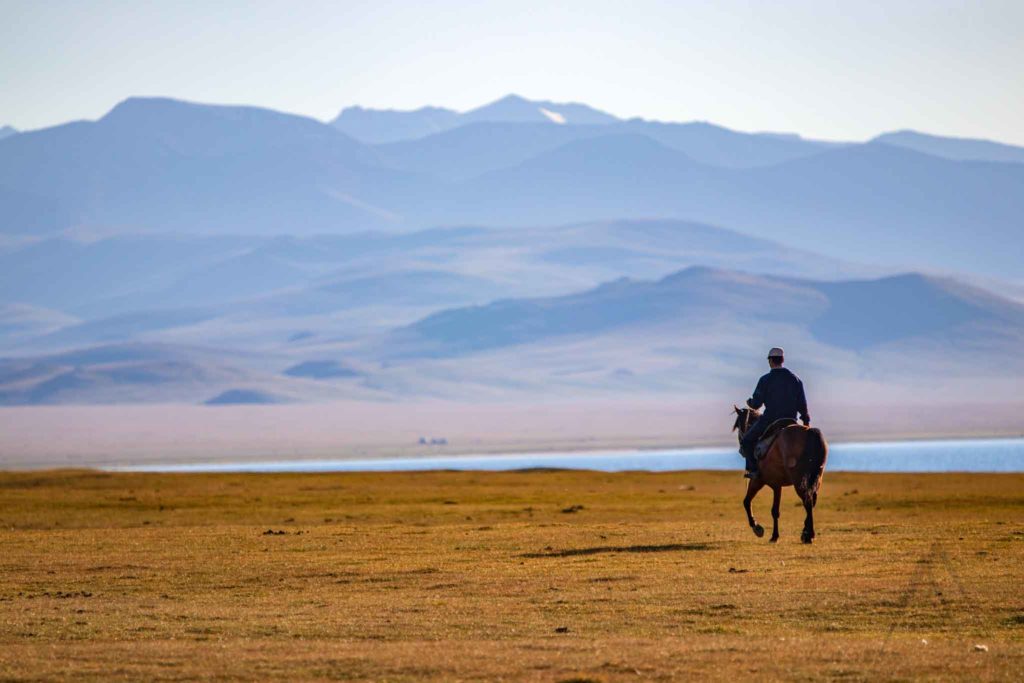
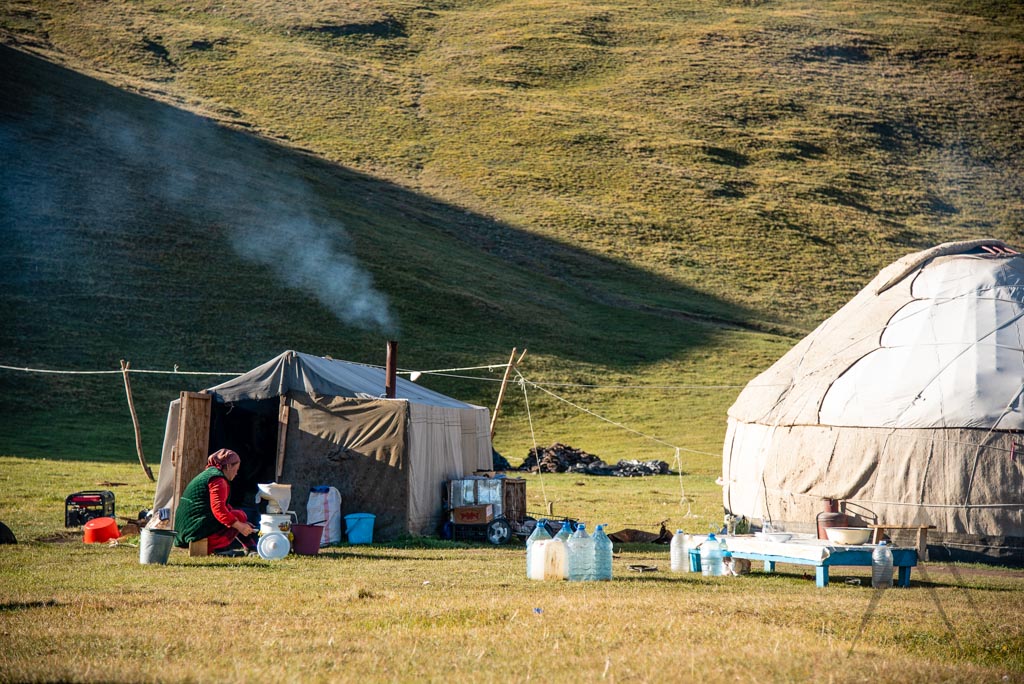
The water in Song Kul is very clear and you can see the bottom even in the deepest points of the lake. This valley or high plateau is known as one of the largest summer pastures (Jailoo in Kyrgyz). Local nomads lead their herds of cow, sheep, horses, yaks (black very hairy things) and goats to Song-Kul for the summer time and back to lower pastures in the autumn. Watch out for smelly, slippery surprises when walking around! The lake area is a great place to observe the local still existing and well living nomad lifestyle.
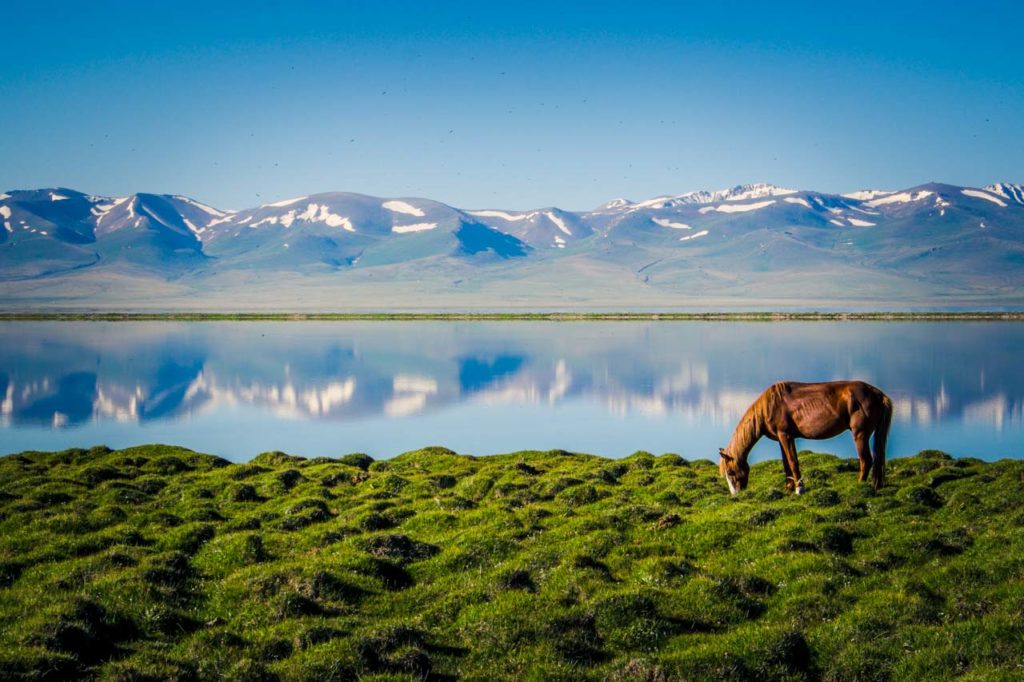
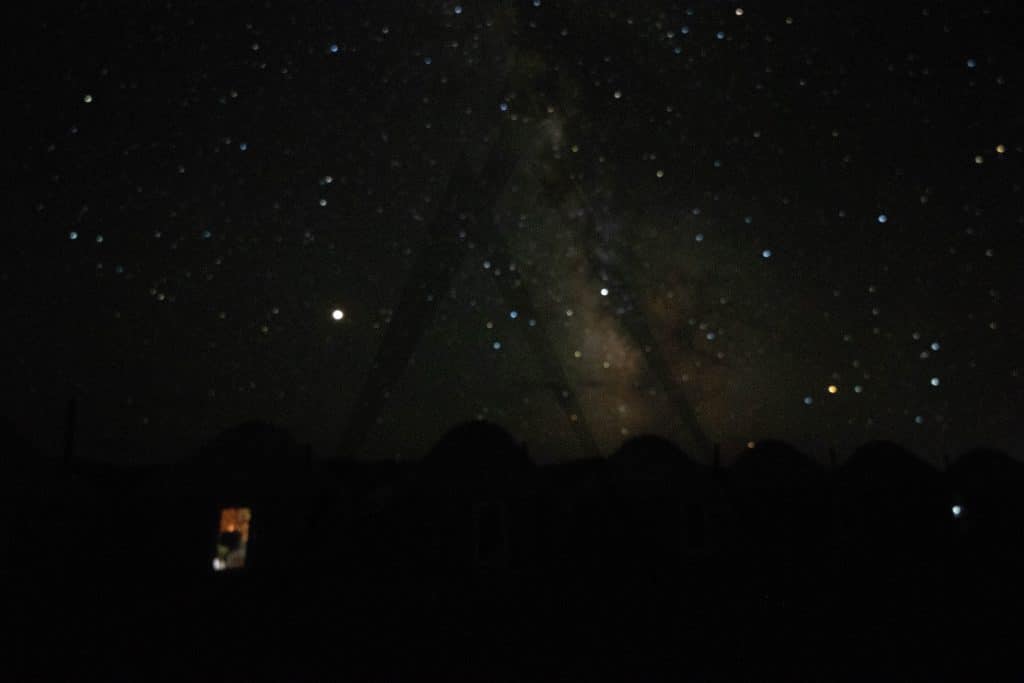
There are very few buildings in the whole valley and the roads are in bad condition. It is told that there was a soviet military base nearby and the roads were originally built for that purpose. There is no electricity grid or cellular data network so one could consider visiting being a kind of off the grid retreat. Song Kul has some traces of ancient civilizations as well and it is a nice place to admire at the stars completely free of light pollution. Son Kul is part of the international Ramsar wetland network and there are lots of birds there especially during the migration periods.
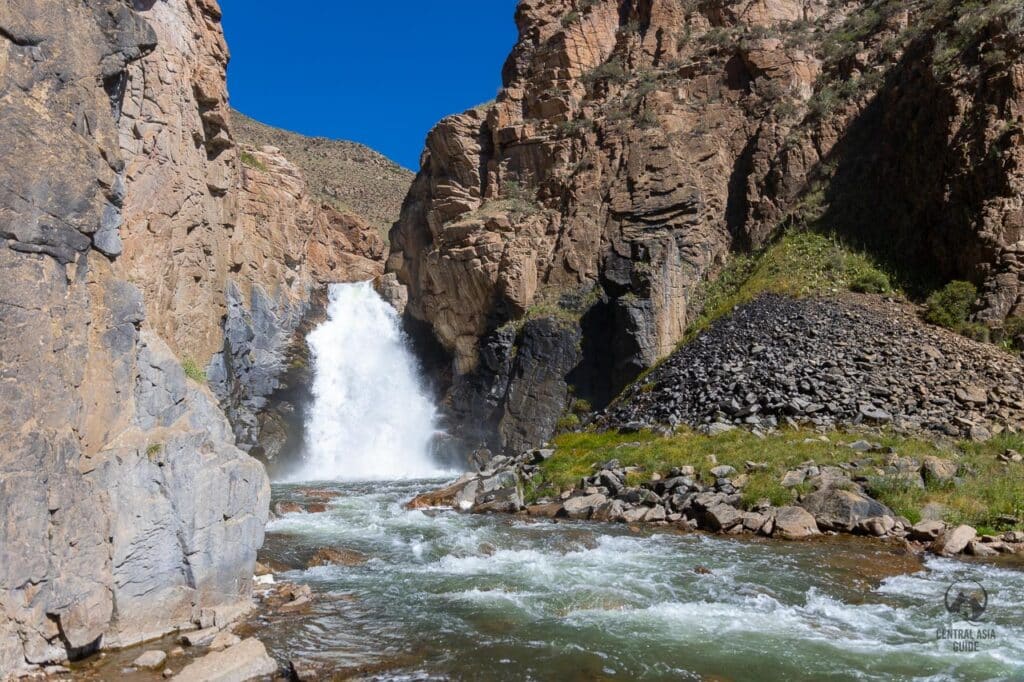
Song Kul is fed by tens of small rivers and brooks coming from the surrounding mountains and glaciers. The river leading out of the lake has a high waterfall at the lower end of the 33 parrots pass. The lake did not have fish until they were brought there during the Soviet period in the 1960s in order to get a source of local food supply.
Fishing in the lake is currently forbidden but early in the mornings you can quite often spot some locals driving with boats to their nets. Song Kul is one of the few places in the world where you can see millions of the endangered Edelweiss growing all around the lake but there is not a single tree in the whole valley. There are only some spots with some shrubs and bushes in the small mountain valleys surrounding the lake.
Song Kul tours
Song Kul lake is rightfully included in several of our tours as it is one of the most memorable locations of Kyrgyzstan and a great place to get to know the very alive Kyrgyz nomad culture. Son Kul is a must visit especially for all nature lovers. The lake is also conveniently located so that a visit can be easily combined with several other Kyrgyz destinations and is therefore included in many of our Kyrgyzstan tours.
Song Kul Winter tours
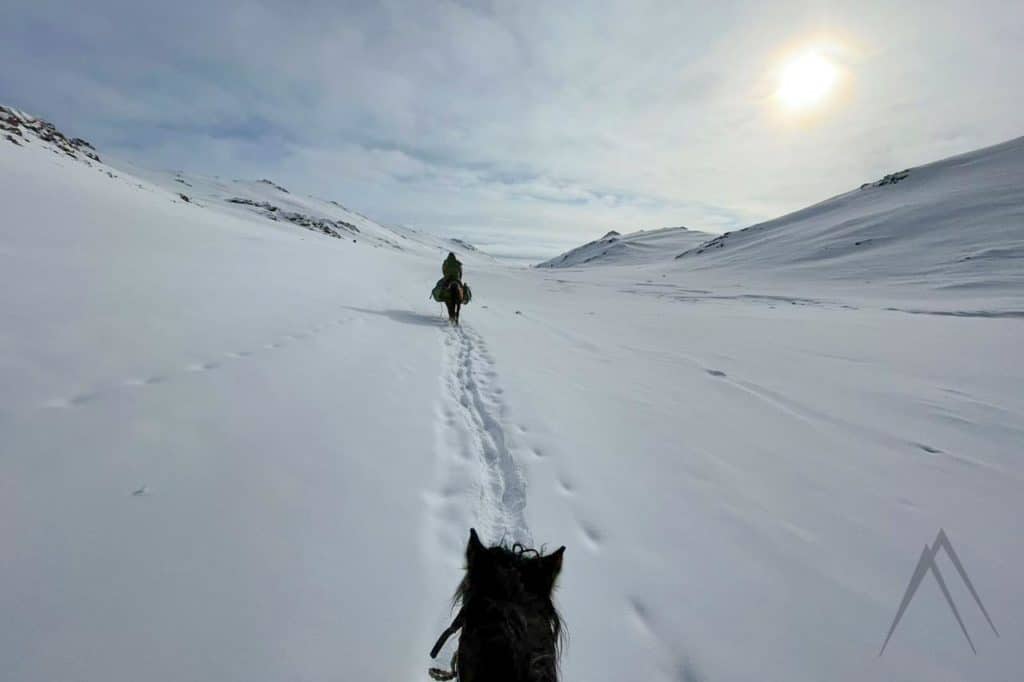
During the winter time, Song Kul can be reached only with horses and there are few yurt villages operating through the winter time making it possible to visit the lake also during the winter. The conditions are often very cold and windy so be prepared for a bit of extreme adventure if you want to visit Song Kul in winter. Winter season in Song Kul lasts from November to as far as April but the snow conditions might limit the access before and during the snow melt.
Song Kul Accommodation and activities
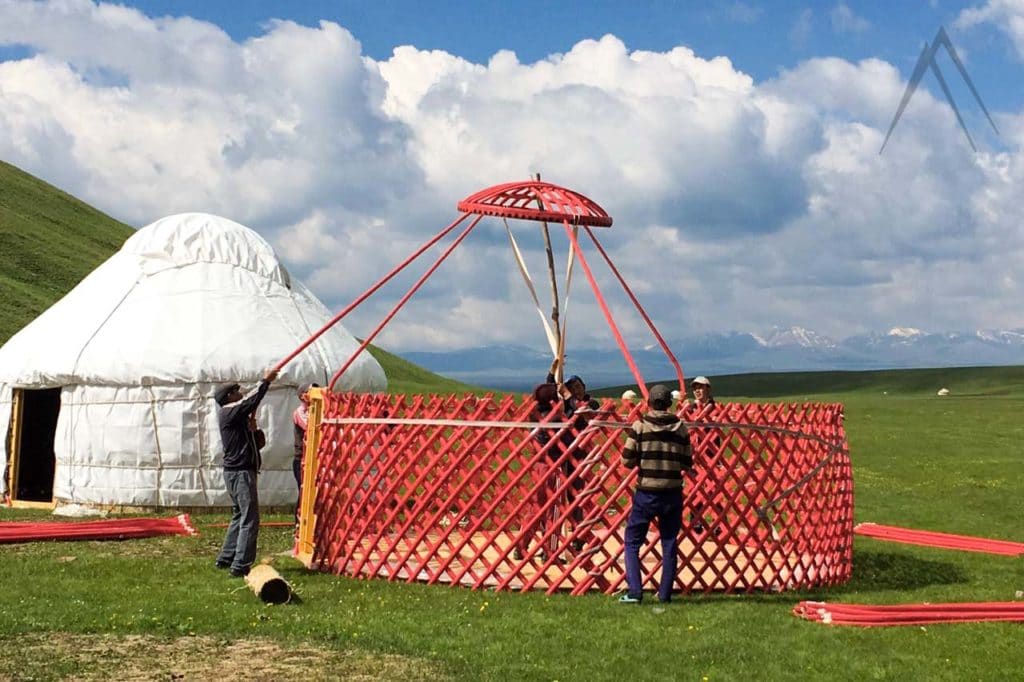
There are no hotels or even hostels in Song Kul as only yurt accommodation is available. Traditionally, Kyrgyz people sleep in the yurts on top of kind of mattresses made from the thick felts called Shyrdaks at the ground but for tourists there are also beds available inside yurts. As the night times can get very cold, easily below zero, we would suggest to stick with the beds or to constantly wake up during the night to add more coal to the stove which is usually standing next to the yurt’s door. You can also swim in the lake but the shoreline is mostly stony (small round stones) or muddy and the water can be quite cool but on the other hand very refreshing. August is the best time to try swimming in Song Kul.
If you want to continue using your smartphone better bring some battery packs with you as electricity is not easily available. Though you most likely won’t be needing your phone since a smart phone really is no good without network, except for photos. For emergency purposes the yurt villages usually have satellite phones.
There are several yurt villages around the lake, but most of them are located at the south side of Song Kul lake. Usually the yurt villages are offering full board meaning that there are 3 meals a day: Breakfast, lunch and dinner offering traditional Kyrgyz foods like shorpo (a meat soup), lagman (noodle soup), boorsok (fried bread pieces), kuurdak (mix of fried potatoes, onion and mutton), plov, besh barmak (be sure to try this in Kyrgyzstan if you have the chance) and lots of tea. Breakfast might include porridge, eggs and some local pastries depending on the level of the yurt village.
Horseback riding in Song Kul
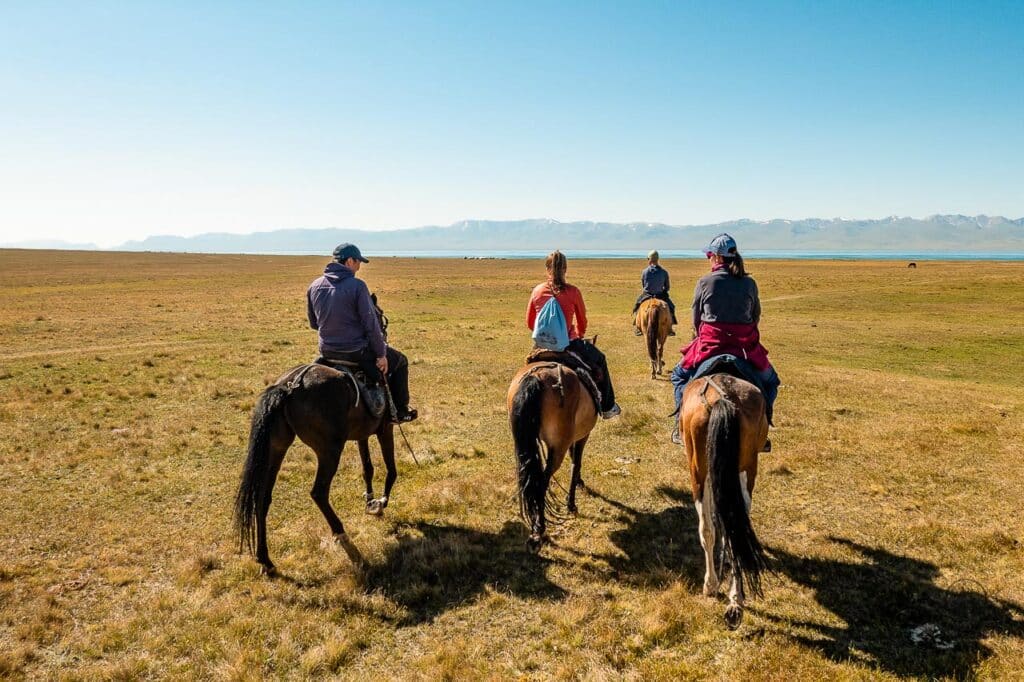
Many of the yurt villages and tours offer horseback riding tours around the Song Kul valley and the surrounding mountains. We also offer you a more extreme tour during winter times where you can ride over a snowy pass to the lake and to accommodate in a yurt surrounded by snow.
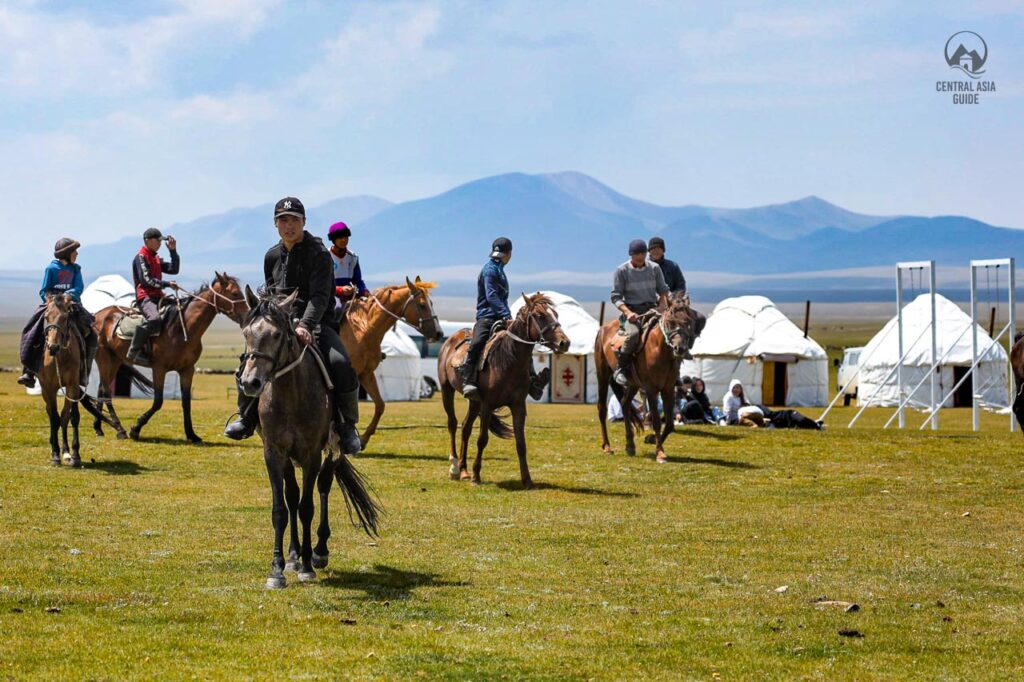
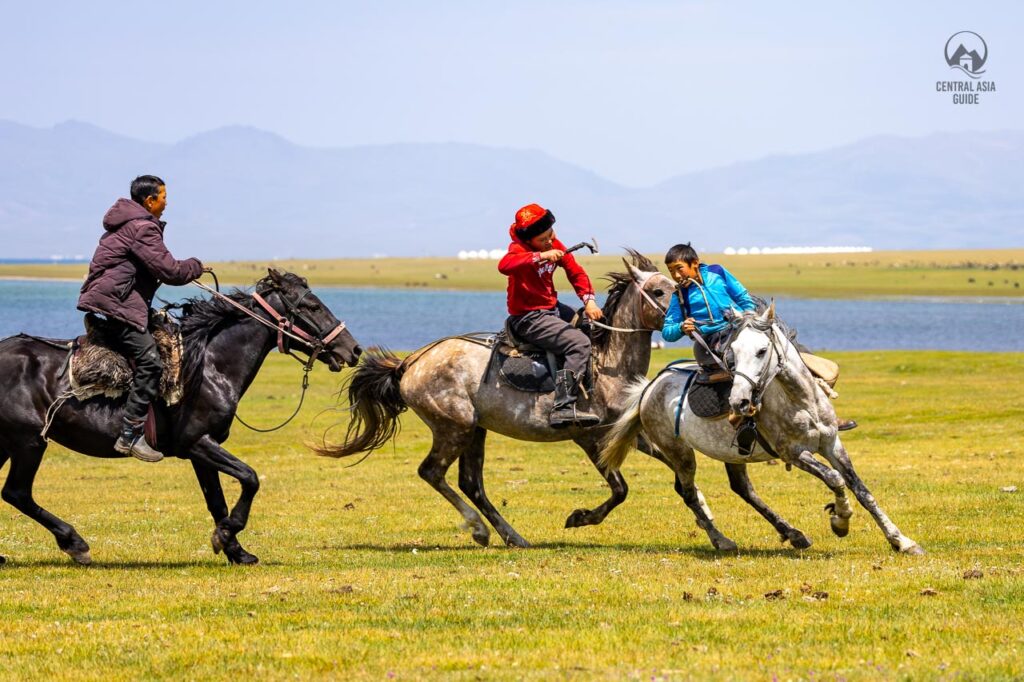
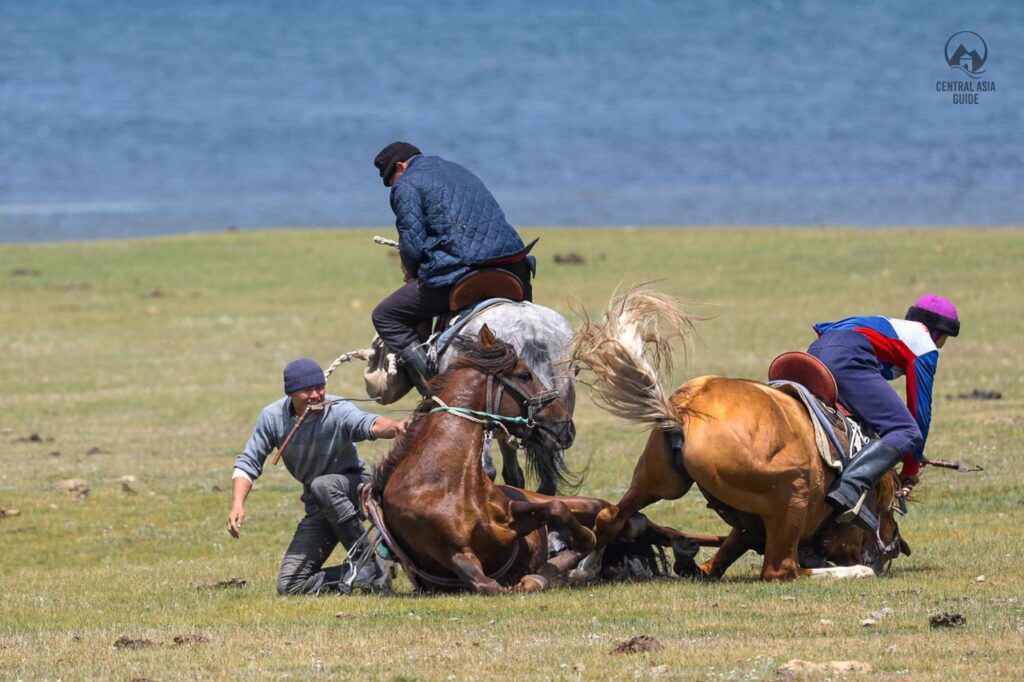
If you are lucky you might see the locals gathering up for a game of kok boru where they fight over the dead carcass of a goat on horseback trying to throw it to one of the two goals on the playing field. There are at least two fields in Song Kul for this activity, one on both sides of the lake and in case of further away from those, truck wheels can act as temporary goals. Horse games only take place in the snowless time of the year.
Song Kul sights
Song Kul Ancient Stone Rings, Petroglyphs, Burial mounds & Mausoleums
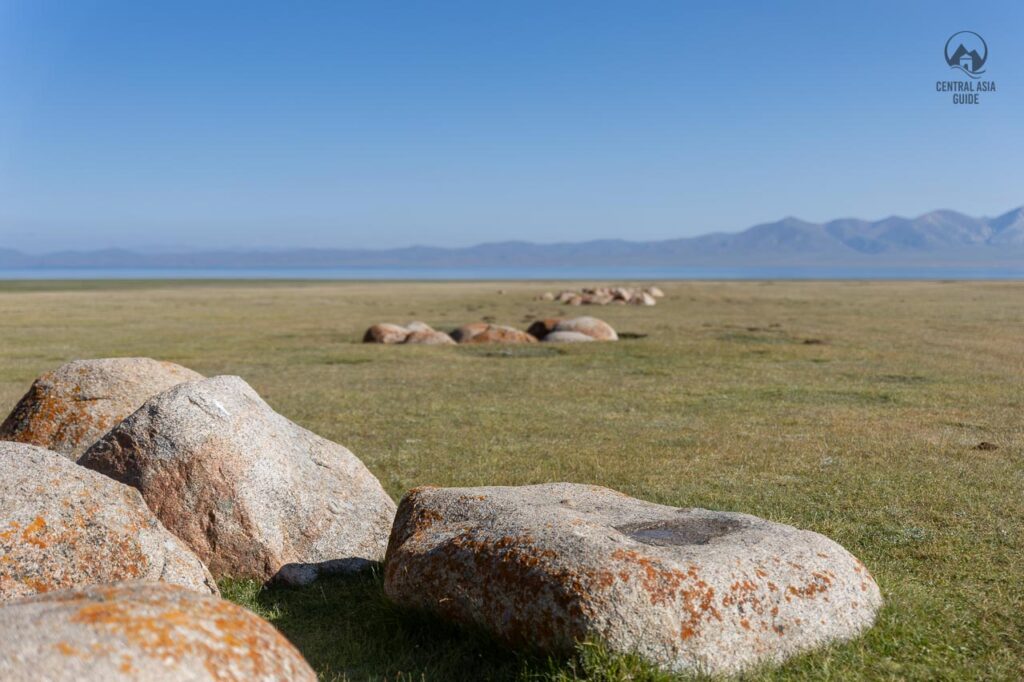
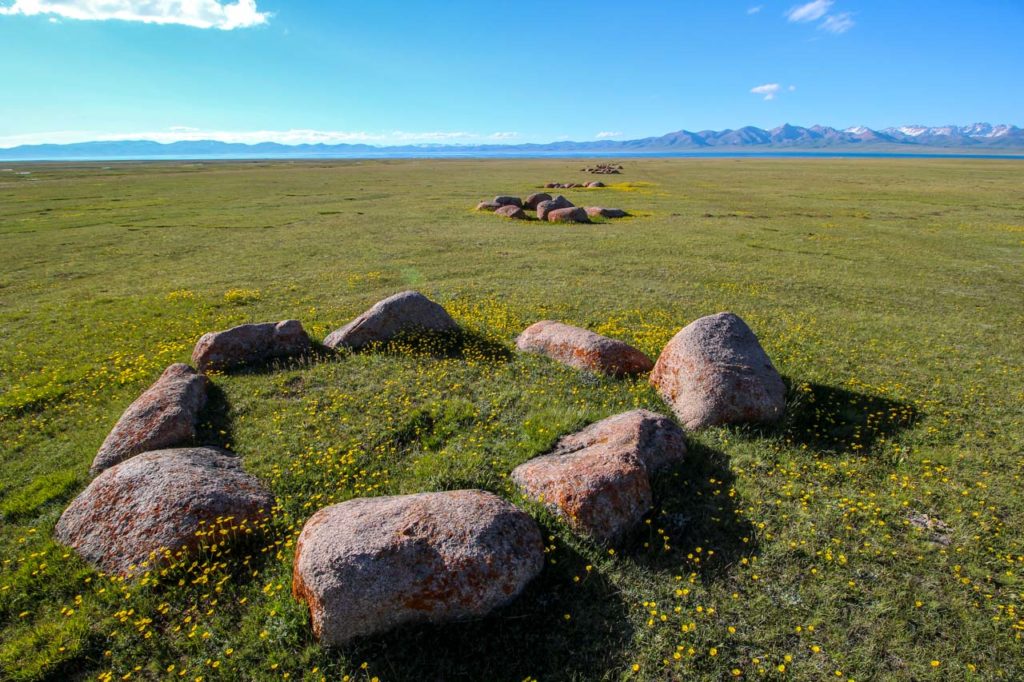
Ancient stone rings called Tash Tulga can be found not far from the shoreline in the southeast coast of Song Kul. There are 9 circles, each consisting of 8 stones and they are carefully aligned from North to South. The stone rings date to 1 century BC and it is believed that they are somehow related to religious beliefs of the nomads that inhabited the area those times. Locals believe that there is some mysterious energy nearby the stones that can be sometimes felt in their vicinity. It is also interesting that there are absolutely no stones nearby the location of the stone hearths, meaning that they have been carried there from afar. Similar kinds of stone settings can also be found in the Altai mountains and in Mongolia.
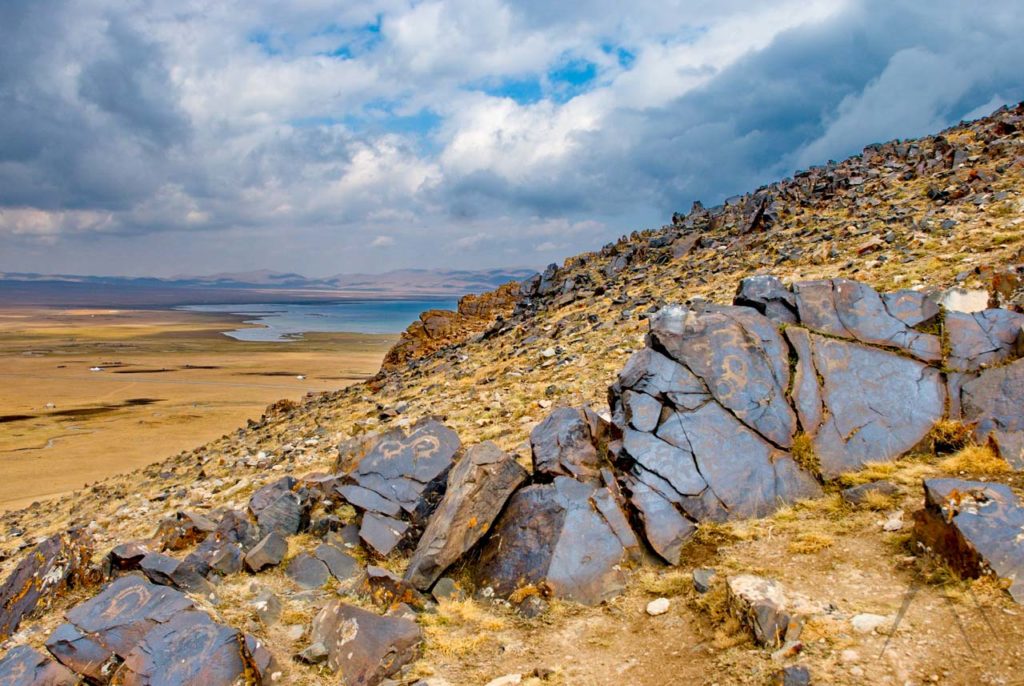
There are also burial mounds nearby the lake which can be clearly recognized from the otherwise flat Son Kul area. Some of the mounds have been dug out, most likely by grave robbers in fairly recent times. Like in many places in Kyrgyzstan, there are also petroglyphs near Son Kul. The largest amounts can be found at the hills east and south from the lake but they are scattered also in also many other hills around the lake, also very close to the yurt villages at the south side of Son Kul.
One of the very few permanent buildings in the whole valley is the mausoleum of the Kyrgyz hero called Tailak Baatyr, which has been built in the 19th century. It is located at the northern shore of the lake and can be easily seen if driving or riding around the lake shoreline.
No Light Pollution & Song Kul sunsets
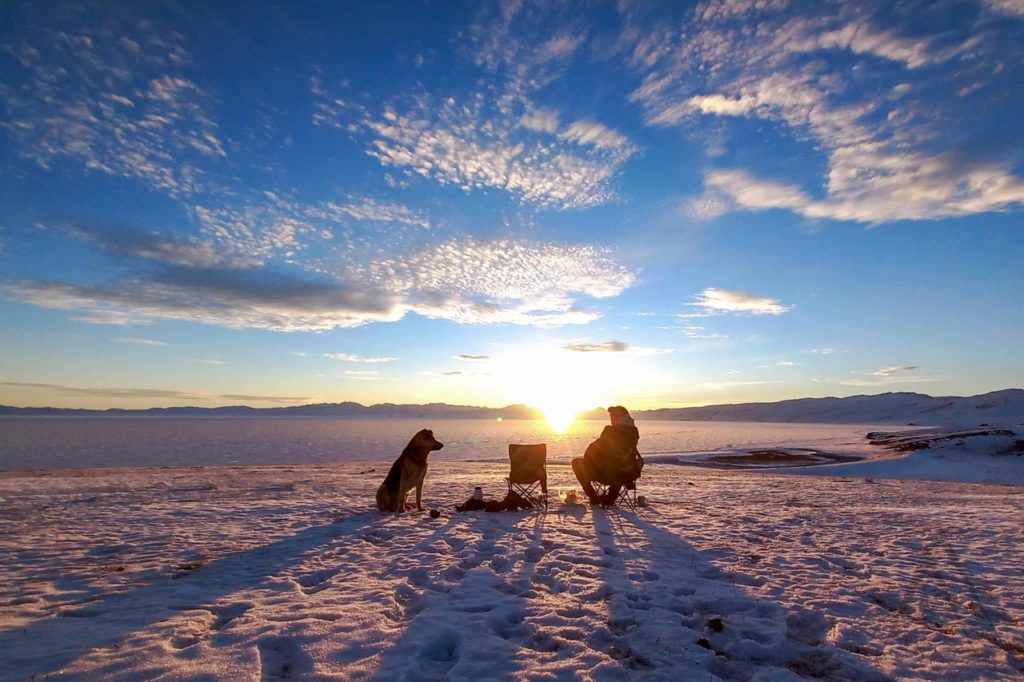
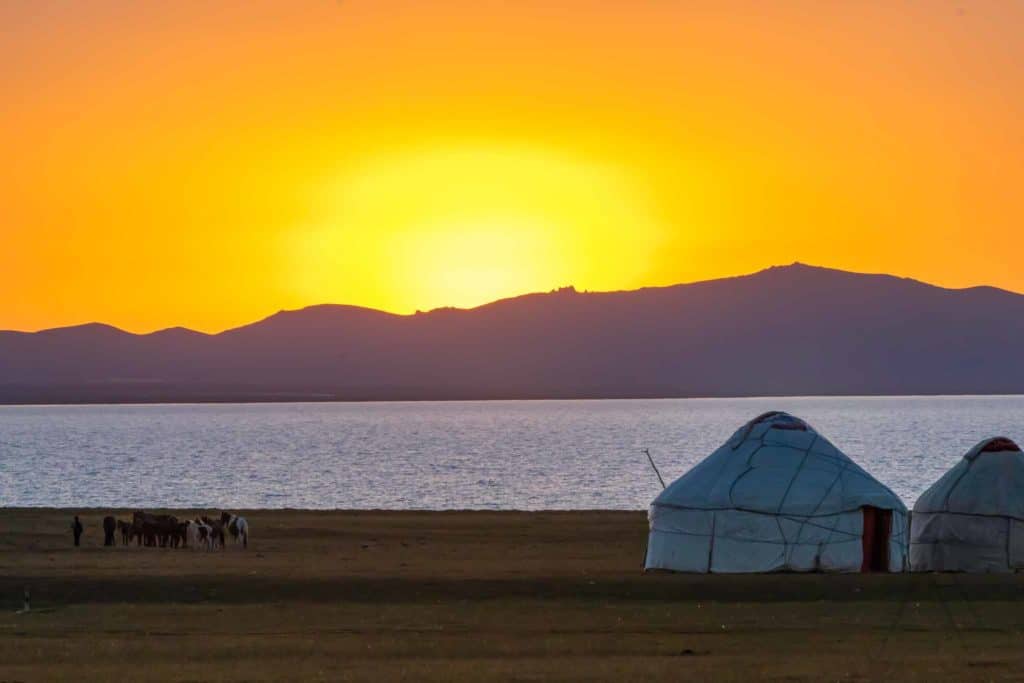
If you bring a system camera with a fairly good lens you have a great chance to take pictures of the milky way during the night time. If you are lucky and have clear nights without much moonlight, the galaxy is visible easily. Sunsets are also very often magnificent in Song Kul with the animals returning to their nightly sleeping locations as the sun goes down.
There is wildlife present in the Song Kul area, but it is still very rare to see wolves, lynx, marco polo sheep and not even mentioning the snow leopard. Marmots can still be seen now and then. You will have more chances with the birds in the area including for example mountain geese, storks, vultures and eagles.
Kok Boru and other horse games in Song Kul
Kok Boru games can be organized in Song Kul during our tours upon requests. The Kok Boru games in Song Kul will not be professional national league level, but all the nomads that stay at the lake during summer, have been playing horse games from their early childhood meaning that it will not be hard to gather a group of about ten young men for the activity. From the point of view of a tourists, the games will be nevertheless a very wild thing to observe.
Song Kul as bird watching destination
Song Kul is recognized as an important Bird Area by IBA. Over 70 bird species breed in the lake’s vicinity, and in total around 190 species (including migratory visitors) have been recorded here. The lake’s broad wetlands and marshy shore zones serve as critical nesting and stopover habitats, supporting large congregations of waterfowl. For birdwatchers, Son Kul offers a chance to see a range of iconic species such as Bar-headed Goose, Ruddy Shelduck and Demoiselle Crane, along with diverse ducks, grebes, gulls and birds of prey.
The prime birding season is late spring through summer which is parallel to the tourist season due to the lake being unfrozen and the roads accessible. May brings migrating flocks of waterfowl and the arrival of breeders once the ice melts, June–July is the peak nesting season when birds are most abundant and active, and August–early September features post-breeding gatherings and southbound migratory movements. By mid-autumn, most birds depart as temperatures drop sharply. Increased tourism and too much grazing have decreased the amount of birds in Son Kul regardless of the late conservation measures. Some birds have moved to other, less disturbed alpine lakes in Kyrgyzstan, such as the Chatyr Kul.


Bird Habitats Around Son Kul Lake and Where to Find Birds
Despite Son Kul’s treeless alpine setting, it provides a mosaic of habitats that attract birds. Coastal wetlands and the tens of rivers forming boggy marshes and river deltas at the inlets are the most bird rich areas. The southeastern shore, in particular, is very marshy with many rivers entering the lake. The soft bogs there discourage livestock (or a part of it) and yurt camps, making it one of the few undisturbed zones. Many waterbirds concentrate in this corner and you can find nesting ducks, grebes, coots, and even the last pairs of cranes in these wetlands and the small islands, accompanied often by many mosquitoes. The eastern side of Son Kul is part of the Karatal-Japyryk Nature Reserve (covering roughly one-third of the lake’s area), providing extra protection to the eastern and southeastern habitats. Here, flocks of waterfowl and wading birds feed and breed relatively undisturbed.
All around the lake, expanses of wet meadow, swamps and shallow shoreline attract birds. In northern and northwestern and western areas, there are grassy marsh patches such as the Batay-Aral and Ak-Tash-Kyzyl wetlands which host large numbers of nesting waterbirds. Conservation efforts in 2023 fenced off a 500 m section of these wetlands to reduce disturbance. These meadows and pooled shallows along the north and west shores are prime for spotting duck broods, geese, and waders foraging in summer. Unfortunately, most of the plants at the shores are eaten by the cows, sheep, horses and goats which seem to avoid the woolly white alpine flower (edelweiss). Reducing the amount of animals and perhaps further fencing of the shoreline could help to return the habitabs favored by the birds.
The open lake itself attracts certain species, with an average depth around 5–10 m (max \~13 m), attracts diving waterfowl and swimming birds. Rafts of Eurasian Coot dot the lake and Grebes (both Great Crested and Black-necked Grebes) can be seen cruising and diving for fish or insects. Gulls and terns soar over the water, plucking food from the surface. The central waters are especially important during migration when flocks of ducks and even geese rest on the lake en route and at times the lake hosts huge gatherings. Son Kul’s waterbird population at peak can exceed 20 000 individuals. Make sure to bring a spotting scope to scan the open water for flotillas of ducks and coots intermingling farther out from shore.
Furthern from the lake, there are open grasslands (jailoo) where pastoralists graze livestock in summer. Birds that prefer drier ground, such as Demoiselle Cranes, lapwings, and larks, can be seen in these plains. The Upland areas and rocky slopes around the lake are also hunting grounds for birds of prey like the Golden Eagle or Himalayan Vulture soaring above, and the endangered Saker Falcon.
Early morning is the best time to visit any site around Son Kul, as birds are most active and human activity minimal.


Key Bird Species and Their Habitats at Son Kul
The most significant bird species in Song Kul include:
- Bar-headed Goose (Anser indicus) that nowadays very rarely nest on small islands and undisturbed marshy shorelines but stop here during migration
- Demoiselle Crane (Anthropoides virgo) of which only very few stay at the marshy grasslands and wet meadows on undisturbed shores.
- Ruddy Shelduck (Tadorna ferruginea) nest in rodent burrows on nearby slopes up to several km from the lake.
- Great Crested Grebe (Podiceps cristatus) build floating nests among reeds or sedges and forages in open water and are often seen in the SE & NE wetland zones.
- Black-headed Gull (Chroicocephalus ridibundus) form colonies on boggy or island areas and make themselves known by being very noisy and conspicuous flying over lake.
- Pallas’s Gull (Larus ichthyaetus) nest in small groups on remote spits and is less common than Black-headed Gull but can be seen patrolling offshore or resting on sandbars.
- Black Stork (Ciconia nigra) does not nest in Son Kul but uses it as a stopover favoring quiet edges.
- Lesser Sand Plover (Charadrius mongolus) nest on the ground along the northern & western lake edge where shoreline is pebbly.


Additional bird species of interest at Son Kul are:
Eurasian Coot (Fulica atra) is extremely abundant at the lake’s shallow waters accompanied by various ducks such as Mallard, Common Pochard and Teal that breed or molt here. On the surrounding plains, keep an eye out for shorebirds like Common Redshank and Northern Lapwing in the marshy grass, and small passerines like Horned Lark and Pied Wheatear in the drier uplands. Birds of prey such as the Himalayan Griffon Vulture, Bearded Vulture (Lammergeier), Golden Eagle, and Saker Falcon are occasionally seen.
Travel to Song Kul
Song Kul is located pretty much at the center of Kyrgyzstan. There are 4 roads leading to Song Kul. From Bishkek the lake and valley can be reached best by driving first east towards Issyk Kul but turning south towards Orto Tokoi reservoir, Kochkor and Naryn until turning west from the main road to a gravel road leading to the lake. From the Southwest part of the Son Kul valley there is a SUV or Jeep accessible road towards the Kekemeren valley and all the way until to the Toktogul area and the Suusamyr plateau and another route from the south, from the Naryn river that joins together with the previous one above the Moldo Ashuu pass.
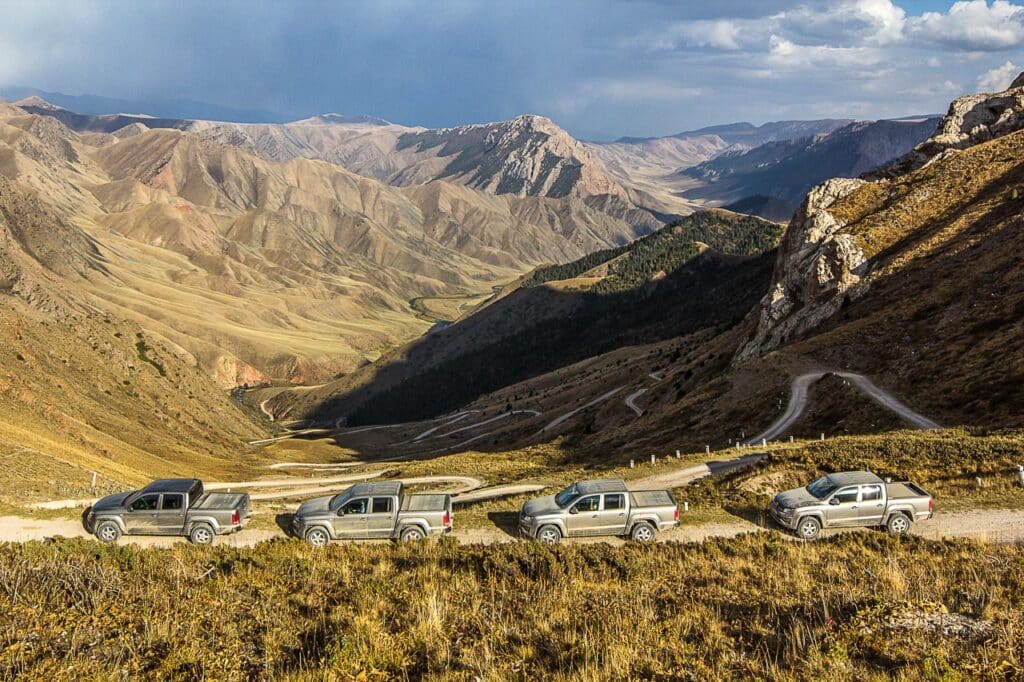
Son Kul can be reached adequately with SUV although we have seen some brave ones driving there with normal cars as well and sadly quite often they are the ones you can see on the side of road suffering from overheating or flat tires. We would suggest that you only go there together with a driver as the road nearby the lake gets quite demanding and steep now and then or to buy a ready tour for the lake together with accommodation and activities. In winter time the lake is only accessible by horseback.
In summertime hiking even in solo is possible. In the map there is a ring road around the lake but in reality the road disappears almost completely in the west part of the valley. The terrain is nevertheless quite flat, not taking into account the numerous amount of small brooks or rivers that need to be crossed from suitable spots.
Four road passes to reach Song Kul
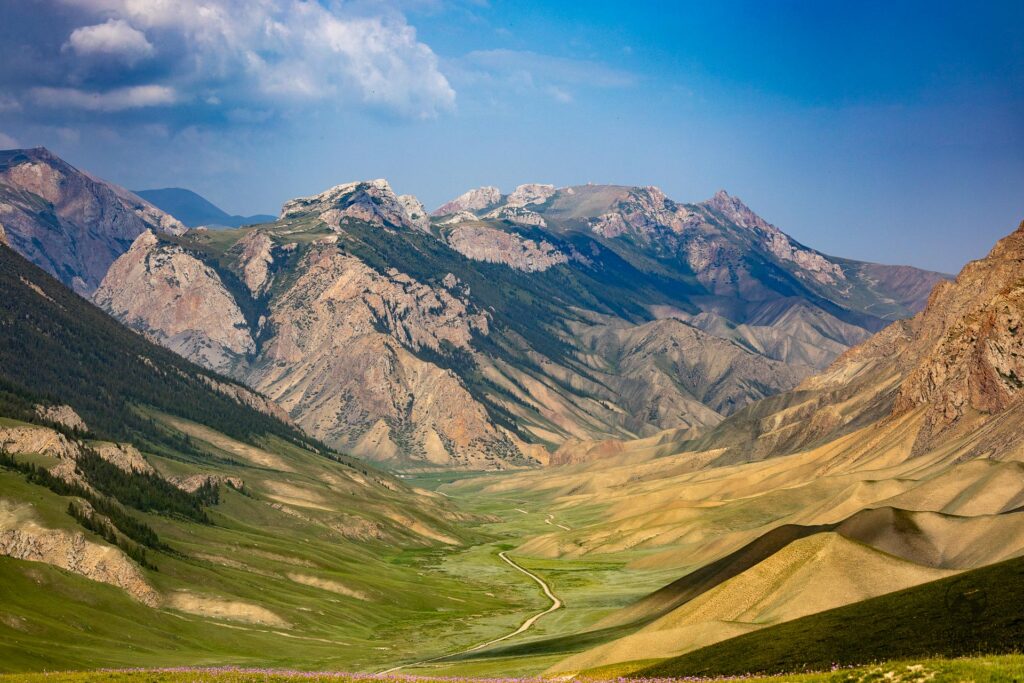
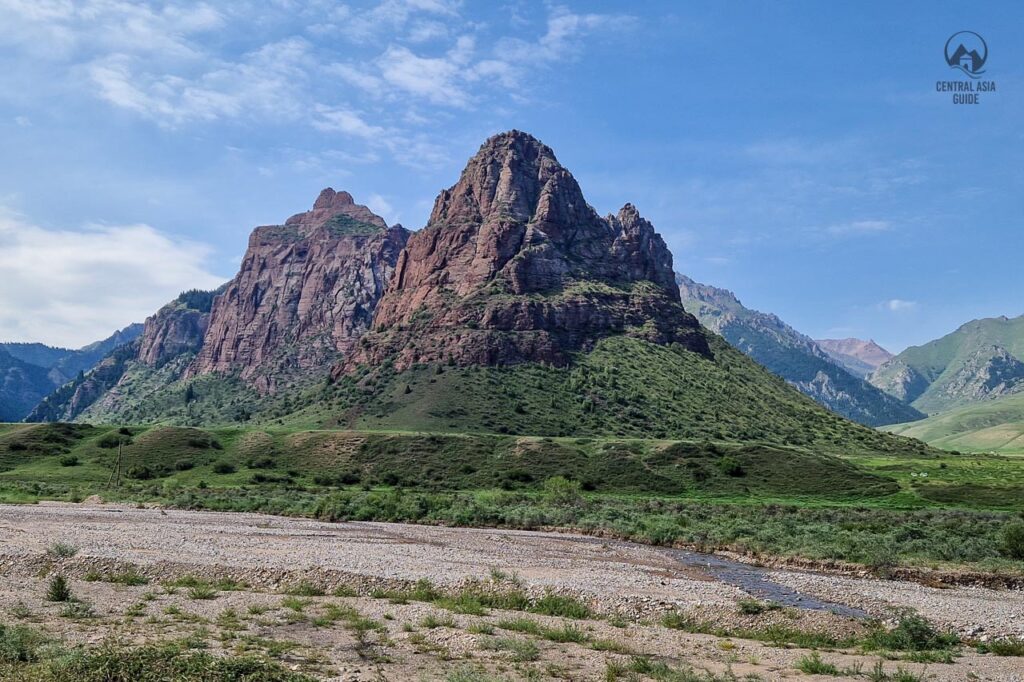
There are 3 other additional passes to reach Song Kul by car in addition to the most common route. These are called Kalmak Ashuu, Moldo Ashuu and Karakeche passes. Kalmak Ashuu is the main road from Bishkek, while Karakeche provides access from the west and Moldo Ashuu from the South. All the roads have amazing views of the valleys they climb up towards the lake but Kalmak Ashuu pass offers the best views over the Song Kul lake. In addition to these three passes, there are several other passes that can be accessed by horses or by hiking. Horse tours operate often from Kyzart and enter the lake basin from northwest side of the lake where there are no roads.
33 Parrots serpentine pass
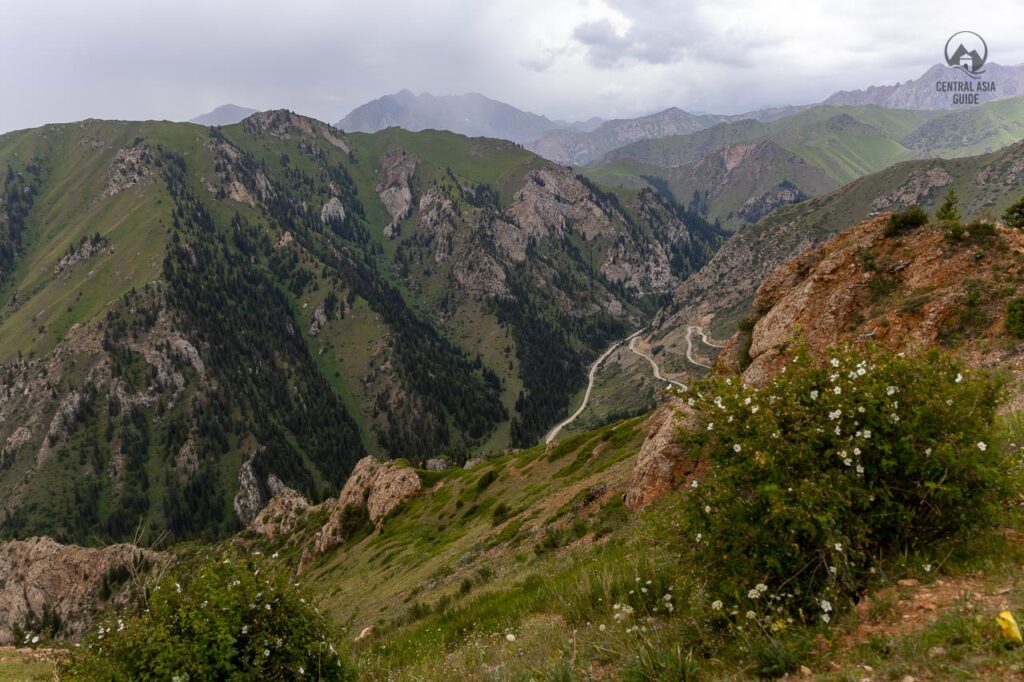
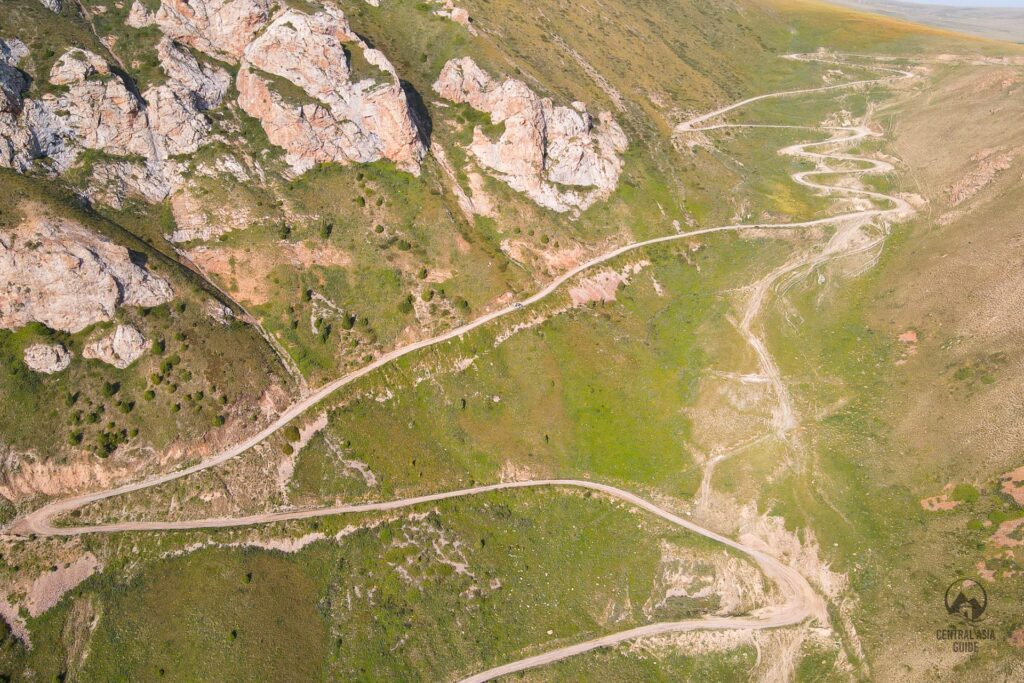
An alternative route (a pass) to/from Song Kul on the east side could be considered a sight as itself for the ones looking for off road adventure. The pass located next to the Son Kul river and is not far from the waterfall in the river. The pass is called 33 parrots (officially Teskeytorpo) according to some old soviet tv-show as it includes 33 turns. It is a tight turning and steep serpentine road not suited for small cars as the condition of the road is bad. With SUV it can offer some increase in blood pressure but breathtaking views to the valley below at the same time. The waterfall can be reached from the lower end of the serpentine by hiking 10-15 minutes upwards along the river Song Kul.
Tips for your Song Kul visit:
- Remember to bring with you everything you might need. No shops here! It will take hours to reach the nearest shop if necessary.
- Have enough clothes with you even during the summer time. It is common to have subzero temperatures even in the summer nights and sometimes it is very windy with occasional hailstorms in daytime as well.
- Enjoy the serenity, quietness, nature and emptiness. Let your cellphone rest in your backpack for few days.
- There is fish in the lake but you need a special permission to fish as the lake is a nature protection area.
- Remember to collect your trash! Son Kul area is one of the least trashy areas in Kyrgyzstan. Let's keep it as such in the future as well.
- Remember to bring a strong enough sunscreen. In 3 km+ heights and sun reflecting from the lake you can get yourself burnt fast.
- The toilets in the yurt villages are most commonly shacks that have a hole dug in the ground under them. Toilet paper is not always at place so better to be prepared by having your own, just in case. Some yurt camps offer mobile hand washing stations but having hand wipes for washing your hands is not a bad idea. Lately the largest villages have started to offer water closets and the most recent and luxury ones even have showers.
- Bring a power bank for your electronics as electricity is mostly not available outside the times when the yurt villages run their generators in the evening time for lighting for few hours.