
The Shrines of Bukhara
Seven Saints of Bukhara
Discover the Seven Saints of Bukhara, a sacred group of Sufi masters whose mausoleums form one of Central Asia’s most important spiritual and cultural pilgrimage sites. This historic ensemble includes Khoja Abdulhalik Gijduvani, the founder of the Naqshbandi Sufi order, and other revered figures who shaped Islamic mysticism in the region.
Pilgrims and travelers alike visit these ancient shrines near Bukhara, Uzbekistan, to pay respects, explore their rich architectural heritage, and experience the deep spiritual legacy of the Naqshbandi tradition. Whether you’re planning a cultural tour, a spiritual journey, or an in-depth exploration of Uzbekistan’s Sufi heritage, the Seven Saints of Bukhara offer a fascinating insight into the region’s history, faith, and architecture.
Khoja Abdulhalik Gijduvani
Khoja Abdulhalik Gijduvani is regarded as the founder of the Naqshbandi Sufi tradition in Central Asia and the first of the Seven Saints of Bukhara. Born in the town of Gijduvan (in modern‑day Uzbekistan) in the early 12th century, he became known as “Teacher of Teachers” for his role in developing the core spiritual practices of his order.
Gijduvani emphasized silent dhikr (the inner remembrance of God) and spiritual discipline, teaching principles that formed the foundation of the Naqshbandi path. His mausoleum complex near Gijduvani which includes a mosque and madrasa built by later rulers such as Ulugh Beg has long been a pilgrimage site for those seeking spiritual blessing and insight.
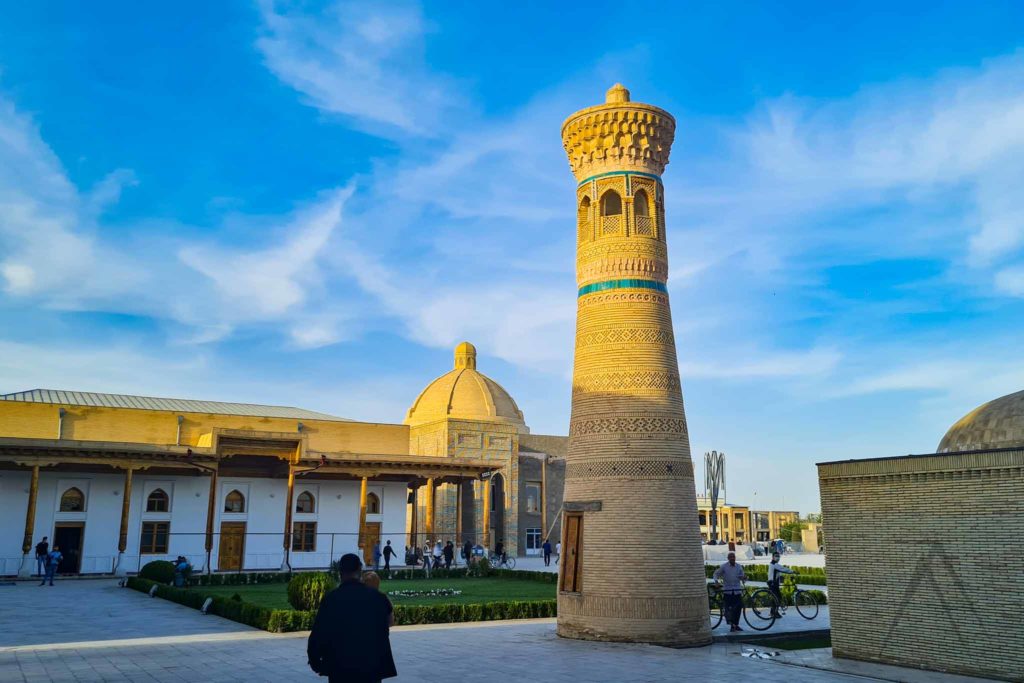
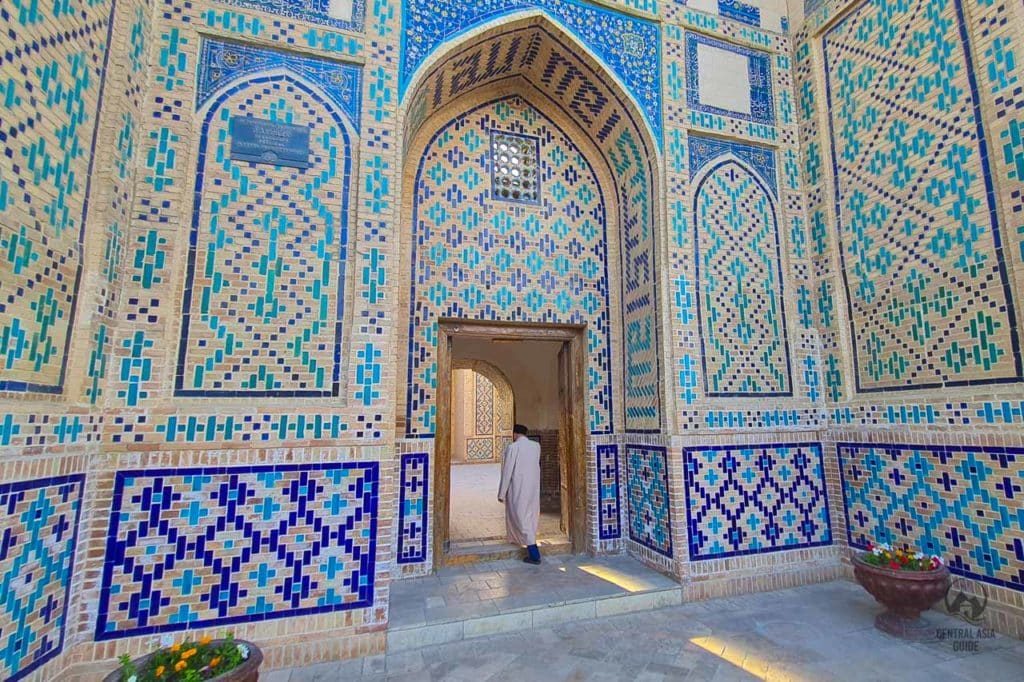
Khoja Muhammad Arif Ar‑Revgari
Khoja Muhammad Arif Ar‑Revgari was a prominent successor of Gijduvani and the second saint in the Bukhara spiritual lineage. He lived in the village of Shafirkan and was known for his deep piety, teaching, and spiritual guidance.
Historical accounts and traditions associate him with the practice of loud dhikr (the public recitation of God’s names), adapting Sufi practices to reach a broader community. Some legends even suggest he lived to an exceptionally old age, symbolizing enduring wisdom and spiritual presence. His simple domed mausoleum near Shafirkan remains an important devotional site for pilgrims.
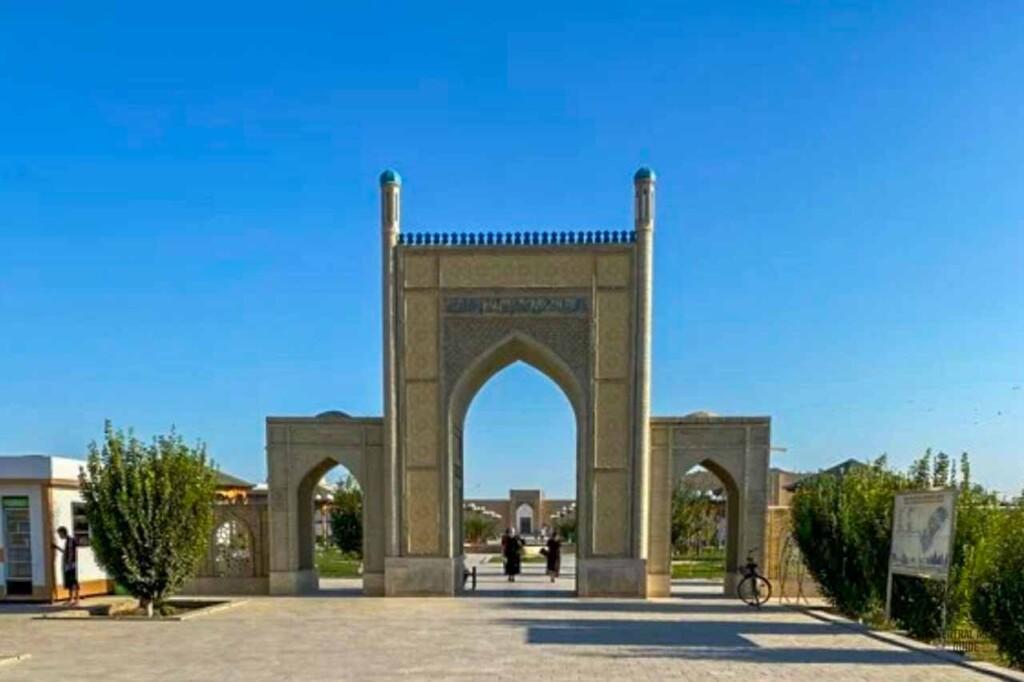
Bakhauddin Naqshbandi Complex
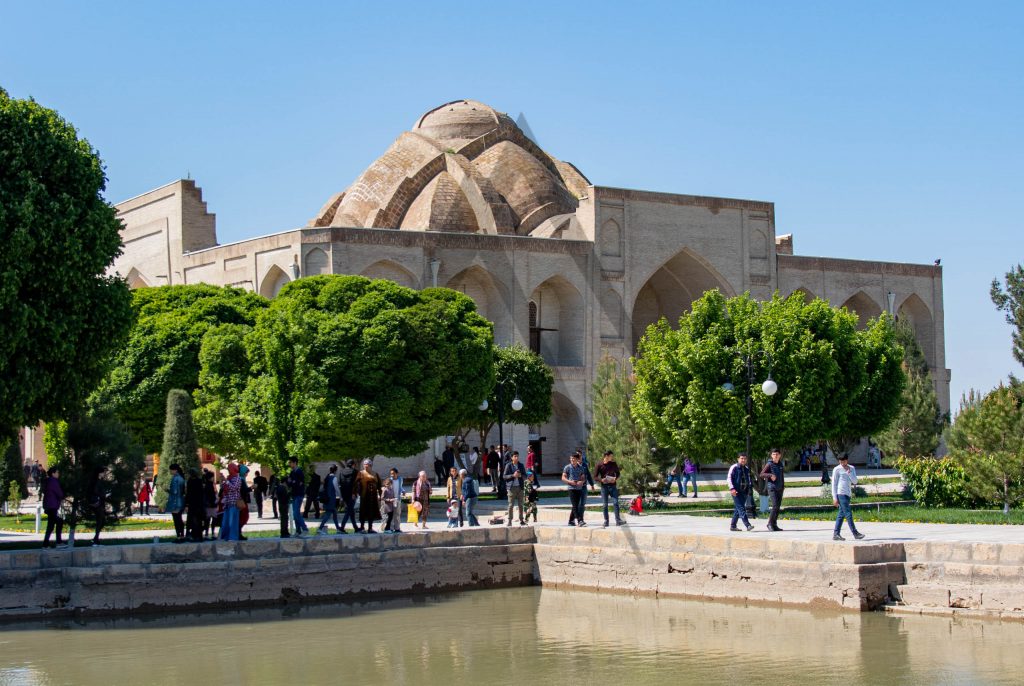
The Baha‑ud‑Din Naqshband Mausoleum and Complex in Bukhara is dedicated to the founder of the Naqshbandi Sufi order, one of the most influential Sufi traditions in the Islamic world. Pilgrims from across Central Asia visit to pay their respects, seek blessings, and participate in spiritual practices like dhikr (silent remembrance of God). The site holds immense religious significance, as it preserves the tomb of Baha‑ud‑Din Naqshband and continues to serve as a center for Sufi teachings and devotion.
The mausoleum is part of a larger complex that includes a mosque, prayer hall, and tranquil courtyard for meditation and reflection. Its architecture is understated yet elegant, featuring brick walls, turquoise domes, and decorative calligraphy that reflect the Naqshbandi emphasis on humility and inner devotion. The complex remains a vibrant spiritual hub where visitors can experience the living traditions of Sufism while appreciating Bukhara’s rich cultural and architectural heritage.
Khoja Mahmoud Anjir Fagnavi
Khoja Mahmoud Anjir Fagnavi was a respected spiritual figure and the third saint of the Seven Pirs. Born near Bukhara, he initially worked as a carpenter but devoted his life to Sufi teaching after studying with Arif Ar‑Revgari.
Fagnavi is particularly remembered for his approach to dhikr, believing that the loud remembrance of God could spiritually awaken those who were “asleep” to divine truths. His burial place in the village of Anjirbog includes a mosque and a pond, and the surrounding garden believed to be spiritually healing attracts pilgrims who honor his teachings and legacy.
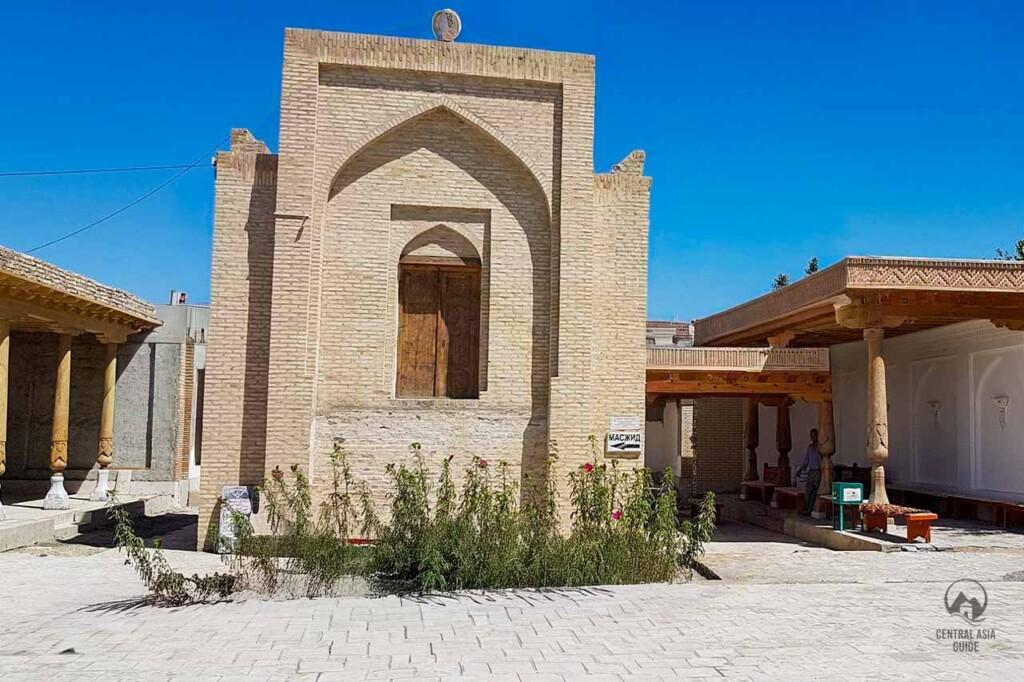
Khoja Ali Ramitani (Azizan)
Khoja Ali Ramitani often called Azizan (“Respected Sheikh”) was a Sufi master known for both his spiritual influence and his engagement with everyday life. Born near Bukhara in the Ramitan region, he worked as a weaver before becoming known for his deep wisdom and spiritual charisma. Ali Ramitani is credited with helping guide people through tumultuous times, including the aftermath of Mongol invasions, and was reputed for his ability to understand people’s hearts and intentions. His teachings were passed down through disciples and family, and a memorial site in Ramitan honors his life and work.
Sayyid Amir Kulal
Sayyid Amir Kulal was a leading spiritual teacher and the sixth saint of Bukhara’s Naqshbandi tradition. Born near Bukhara, he was originally a potter, but his deep devotion and spiritual insight led him to become a revered Sufi master with many followers.
Amir Kulal played a vital role in mentoring and transmitting Sufi teachings, including to the young Bahauddin Naqshbandi, helping shape the next generation of mystical leaders. His burial site in his native village is visited by devotees who reflect on his teachings and his role in guiding others along the spiritual path.
Sayyid Muhammad Baba Samasi
Sayyid Muhammad Baba Samasi is the fifth saint in the Naqshbandi line and is remembered for his deep scholarship and spiritual role. Born in the outskirts of Bukhara, Samasi followed the teachings of Ali Ramitani and became a distinguished figure in his own right.
According to tradition, he once foretold the birth of the greatest of the Seven Saints, Bahauddin Naqshbandi and identified the future spiritual site that would come to be known as the “Village of the Enlightened.” After his death in 1354, his mausoleum in Samas was restored and remains a place of meditation, with gardens and a peaceful water feature that reflects his connection to both nature and spirituality.