Uzbekistan, Tajikistan and Turkmenistan Group Tour
Accommodation, guides, transport, the train included. 20% deposit, balance 30 days before tour starting date.
Tour start date:
Highlighted dates show the full length of the tour, so it's easier to check against flights. Dates within the next 2 weeks aren't available for booking.
No departure dates are available yet - please use "Request this tour" and we'll help you find a date.
Travelers sharing a room - No single supplement.
Traveler in their own room - Includes single supplement
The remaining balance is due 30 days before the tour starting date. You will receive a payment link to your email for the balance payment. If the tour starts in 30 days or less, only full payment is available.
This is who we'll contact about payment and trip details.
One filled-in sheet covers every traveler on this booking - no need to upload one per person.
Review your booking summary on the right, then confirm below to pay securely via Stripe.
Uzbekistan, Tajikistan and Turkmenistan Group Tour Highlights
This 12-day group tour crosses three Silk Road countries, from Tashkent in Uzbekistan through northern Tajikistan to Ashgabat, the capital of Turkmenistan. After a day in Tashkent you cross the Oybek border to Khujand, drive via Istaravshan to Penjikent, once a Sogdian city, and visit the 5,500-year-old ruins of Sarazm and six of the Seven Lakes in the Fann Mountains, with lunch at a family home by the fourth lake.
Back in Uzbekistan you spend two days in Samarkand – the Registan, Gur-e-Amir, Shah-i-Zinda and the Afrosiab Museum – and two in Bukhara, with its trading domes, the Ark Citadel and a plov cooking class in a local home. The Farap border then takes you into Turkmenistan and across the Karakum to the ruins of Merv, a UNESCO World Heritage site, with a night in Mary. On the way to Ashgabat you stop at the ruined Anau mosque and a stable of Akhal-Teke horses, and the last full day covers the white-marble capital and the Parthian fortress of Old Nisa.
Difficulty: Easy City sightseeing on foot and short lakeshore walks at the Seven Lakes. Expect three land border crossings (Oybek, Jartepa and Farap) and several long road days of up to 385 km. No altitude; summers in the Turkmen desert are very hot.
Guaranteed departures
Every date runs as scheduled. Same price on all departures.
Guaranteed tour dates 2027
| Dates | Days | Price | Book |
|---|---|---|---|
| – Available | Sat – Wed | $1,950 |
|
| – Available | Sat – Wed | $1,950 |
|
| – Available | Sat – Wed | $1,950 |
|
| – Available | Sat – Wed | $1,950 |
|
| – Available | Sat – Wed | $1,950 |
|
| – Available | Sat – Wed | $1,950 |
|
Tour Itinerary
This morning, we arrive in Tashkent, Uzbekistan’s capital. After settling in at the hotel and breakfast, we meet our guide. Today we discover Uzbekistan’s bustling capital, where old and new meet in surprising harmony. We’ll visit the spiritual heart of the city – Khast-Imam Square, home to ancient madrasahs and mausoleums, and wander through the colorful Chorsu Bazaar, alive with the aromas of spices, fresh produce, and handicrafts. After lunch, we’ll explore Independence Square and Amir Temur Square, wide spaces framed by impressive architecture. One highlight not to miss is the Tashkent Metro, famous for its ornate stations that feel like an underground art gallery. Overnight in Tashkent.
Hazrati Imam complex, Tashkent, Tashkent metro, Amir Temur Square, Chorsu Bazaar, Tashkent Independence Square
Overnight: Tashkent (Hotel)
- Shower: Yes
- Toilet: Private (in the room)
- Internet: Wi-Fi
Meals: Breakfast
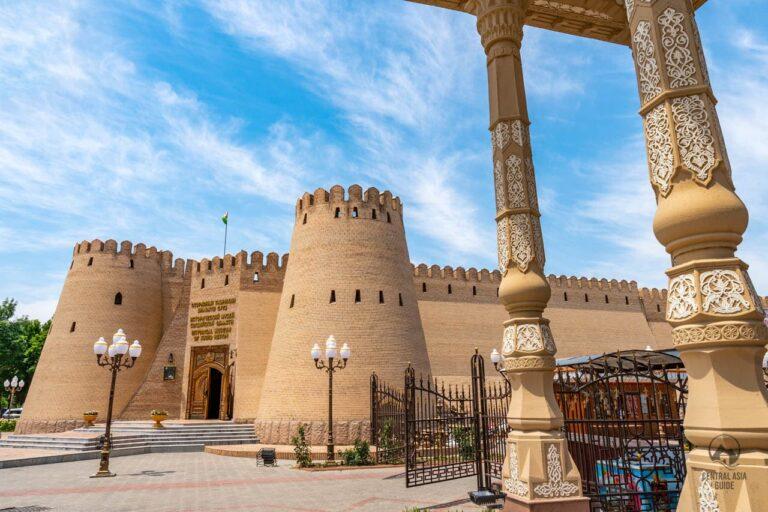
After breakfast we drive toward the Uzbek-Tajik border at Oybek, complete formalities, and continue to Khujand, one of the oldest cities in Central Asia. On arrival, we enjoy a city tour: strolling through bustling Panjshanbe Bazaar, visiting the historical Museum of Khujand, and seeing the city’s fortress walls. The mix of ancient history and modern Tajik life makes Khujand an unforgettable introduction to the country. Overnight in Khujand.
Khujand, Khujand Citadel & Historical Museum of Sughd, Panjshanbe Bazaar
- Tashkent → Khujand (160 km)
Overnight: Khujand (Hotel)
- Shower: Yes
- Toilet: Private (in the room)
- Internet: Wi-Fi
Meals: Breakfast
After breakfast we leave Khujand and set out towards Istaravshan, a city with more than 2,500 years of history and once an important stop along the Great Silk Road. Here we explore its bustling bazaars and historic sites, including Kuk-Gumbaz Mosque and the colorful caravanserai-style markets, where traditional craftsmanship is still alive. Continuing our journey, we drive through dramatic mountain landscapes to Penjikent, often called the “Pompeii of Central Asia” thanks to its fascinating ruins of ancient Sogdian settlements. On arrival we settle into the hotel, with time to rest before dinner. Overnight in Penjikent.
Istaravshan, Panjakent, Kok-Gumbaz Madrasa (Istaravshan)
- Khujand → Panjakent (260 km)
Overnight: Panjakent (Hotel)
- Shower: Yes
- Toilet: Private (in the room)
- Internet: Wi-Fi
Meals: Breakfast
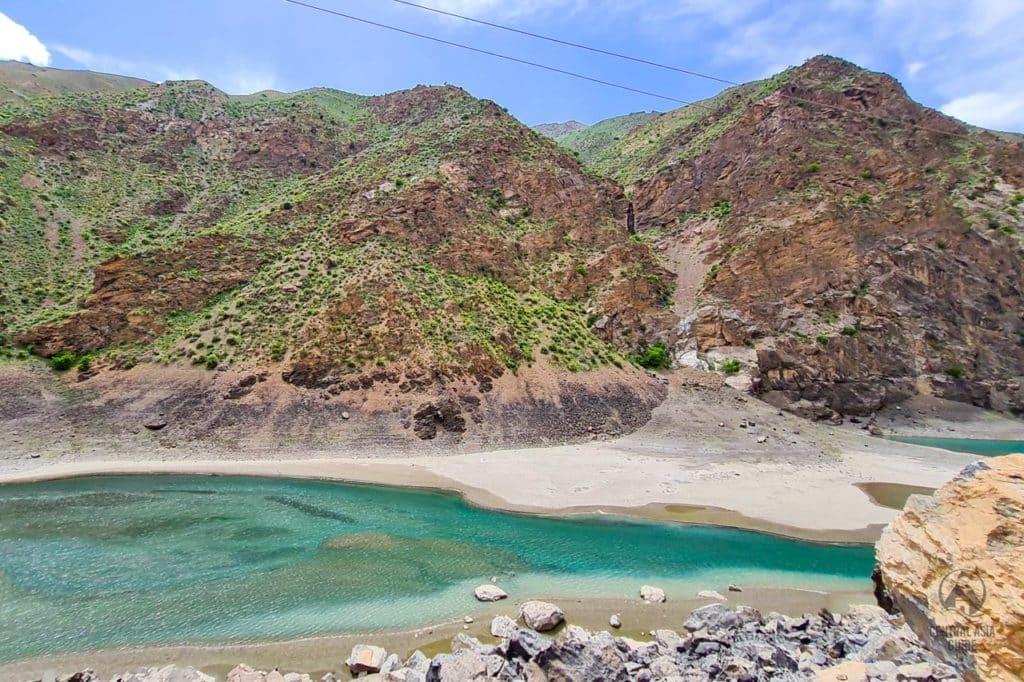
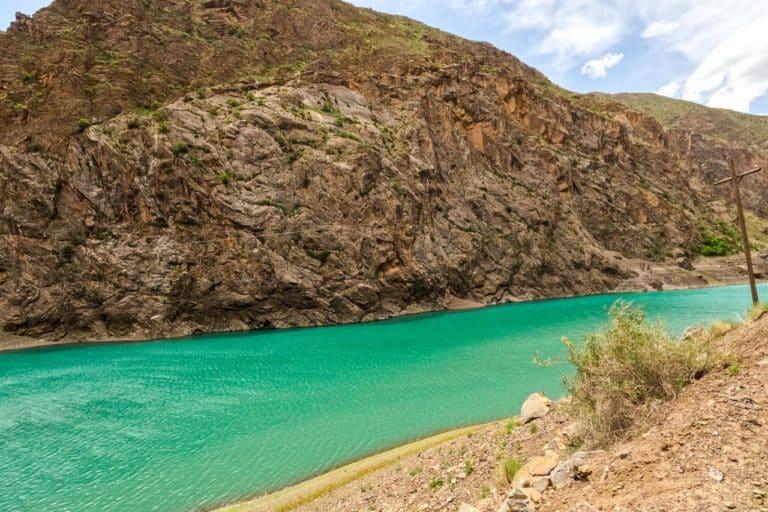
After breakfast we explore Penjikent’s surroundings, beginning with the Sarazm ruins, a UNESCO World Heritage Site dating back more than 5,500 years — one of the earliest settlements in Central Asia. We then visit the Rudaki Museum, dedicated to the great Persian poet, and wander through the lively local bazaar, where everyday Tajik life unfolds in a swirl of colors and aromas. Later, we journey into the Fan Mountains to discover the enchanting Seven Lakes of Marguzor. Each lake has its own character and color, ranging from deep sapphire to shimmering turquoise, shaped by light, altitude, and legend. Today we’ll visit six of them, stopping for a traditional lunch at a local family home near the fourth lake. Short walks along the lakeshores will give us time to absorb the mountain serenity. In the afternoon, we return to Penjikent and proceed to the Jartepa border crossing. After formalities, we cross into Uzbekistan and continue to Samarkand, the jewel of the Silk Road. Accommodation at the hotel and rest. Overnight in Samarkand.
Fann Mountains, Seven Lakes (Haft Kul), Sarazm, Panjakent History Museum (Rudaki Museum)
- Panjakent → Samarkand (180 km)
Overnight: Samarkand (Hotel)
- Shower: Yes
- Toilet: Private (in the room)
- Internet: Wi-Fi
Meals: Breakfast, Lunch
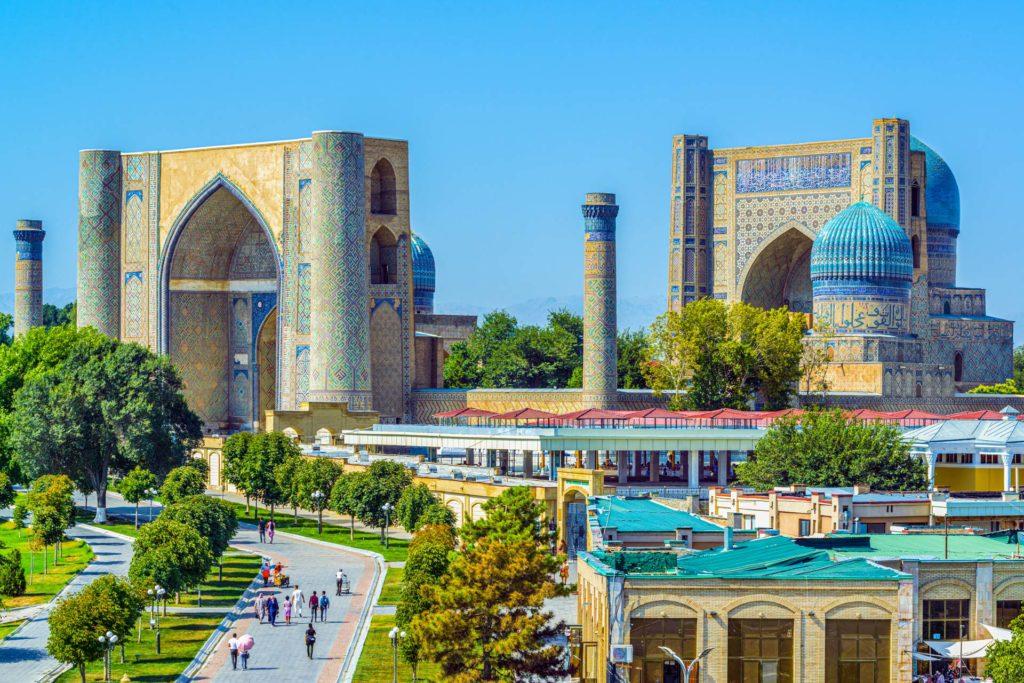
After breakfast we set off to discover the treasures of Samarkand, one of the most dazzling cities of the Silk Road. Our tour begins at the iconic Registan Square, framed by three grand madrasahs – Ulugbek, Sher-Dor, and Tilla-Qori – each a masterpiece of Islamic architecture. We continue to the Gur-e Amir Mausoleum, the resting place of Tamerlane and his dynasty, with its turquoise dome and richly decorated interiors. After lunch, we visit the Bibi-Khanym Mosque, once one of the largest in the Islamic world, and wander through the Shah-i-Zinda Necropolis, where vibrant blue-tiled mausoleums line a narrow medieval street. The day ends at the Ulugbek Observatory, where the great astronomer charted the stars centuries ago. Return to the hotel for overnight.
Bibi-Khanym Mosque and Mausoleum, Gur-e Amir Mausoleum, Registan, Shah i Zinda, Ulugbek Observatory
Overnight: Samarkand (Hotel)
- Shower: Yes
- Toilet: Private (in the room)
- Internet: Wi-Fi
Meals: Breakfast
This morning we dive deeper into Samarkand’s history and culture. We begin at the Afrosiab Museum and nearby archaeological site, which reveal the ancient roots of the city long before the Timurid era. Then we visit the tomb of Saint Daniel, a unique pilgrimage site venerated by Muslims, Christians, and Jews alike. Later, we explore the Khujum carpet factory and a silk paper workshop, where age-old crafts are preserved and practiced with pride. Finally, we stroll through the bustling Siab Bazaar, a lively market brimming with spices, dried fruits, nuts, and handicrafts – the perfect place to experience the flavors and energy of modern Samarkand. Return to the hotel in the afternoon. Evening at leisure. Overnight in Samarkand.
Afrasiyab, Konigil Paper Mill (Meros), Siyob Bazaar, Tomb of Saint Daniel (Khoja Daniyar)
Overnight: Samarkand (Hotel)
- Shower: Yes
- Toilet: Private (in the room)
- Internet: Wi-Fi
Meals: Breakfast
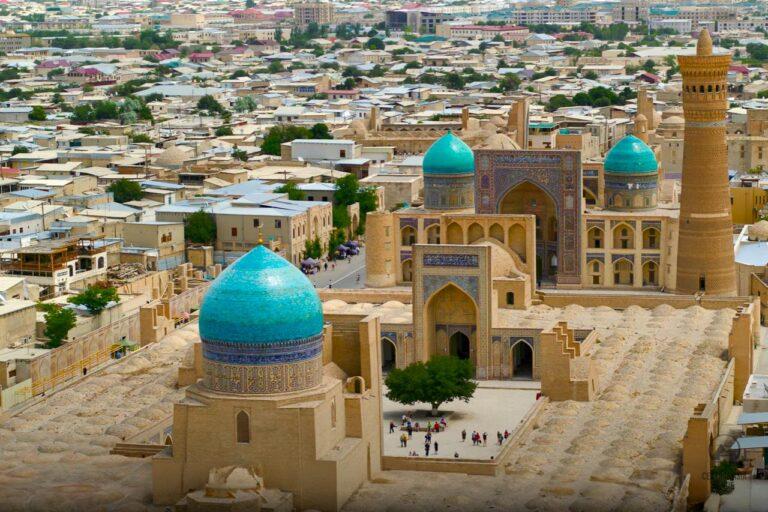
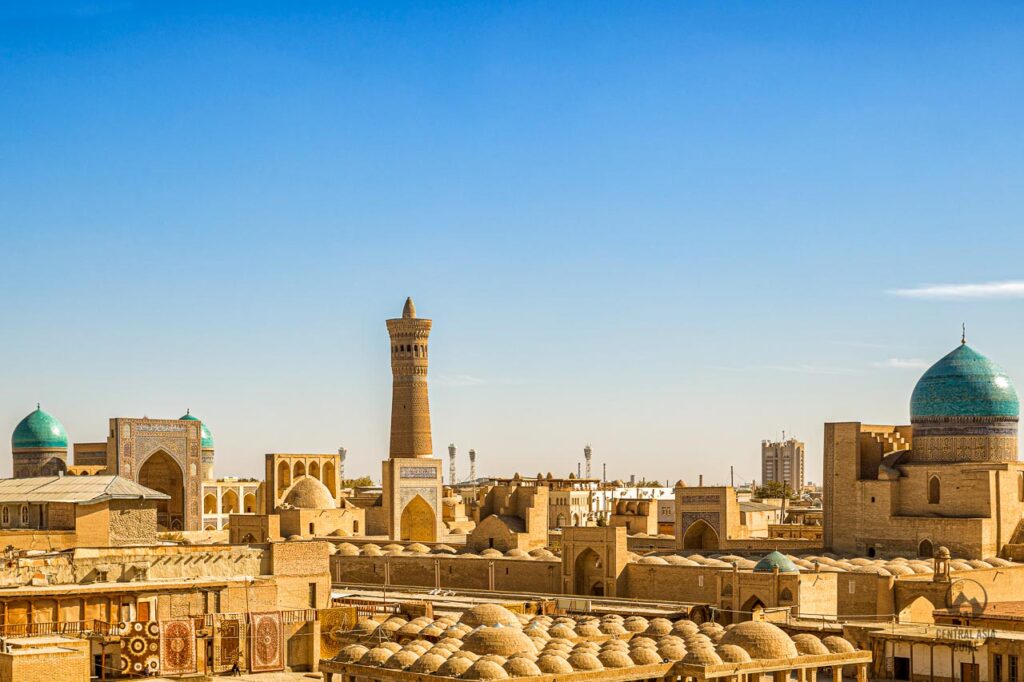
After breakfast we transfer to the railway station and take a morning train across the steppe to Bukhara (09:55–11:38). On arrival, we begin our exploration of the Old Town - one of the most atmospheric and best-preserved medieval cities in Central Asia. Our walk starts at Lyabi-Hauz Square, a lively plaza shaded by old mulberry trees and surrounded by beautiful madrasas and cozy teahouses. Here we see the Nadir Divan-Begi Madrasa and Kukeldash Madrasa, two fine examples of Islamic architecture. We continue through the ancient trading domes (Toqi) - Toki Zargaron, Toki Telpak Furushon, and Toki Sarrafon — where merchants once sold jewelry, silk, and coins. Today these domes are filled with local crafts, carpets, and souvenirs. We end the day with a leisurely stroll through the narrow lanes of the Old Town, soaking up the peaceful atmosphere of Bukhara at sunset. Overnight in Bukhara.
Bukhara, Lyabi-Hauz Ensemble, Trading Domes of Bukhara
- Samarkand → Bukhara
Overnight: Bukhara (Hotel)
- Shower: Yes
- Toilet: Private (in the room)
- Internet: Wi-Fi
Meals: Breakfast
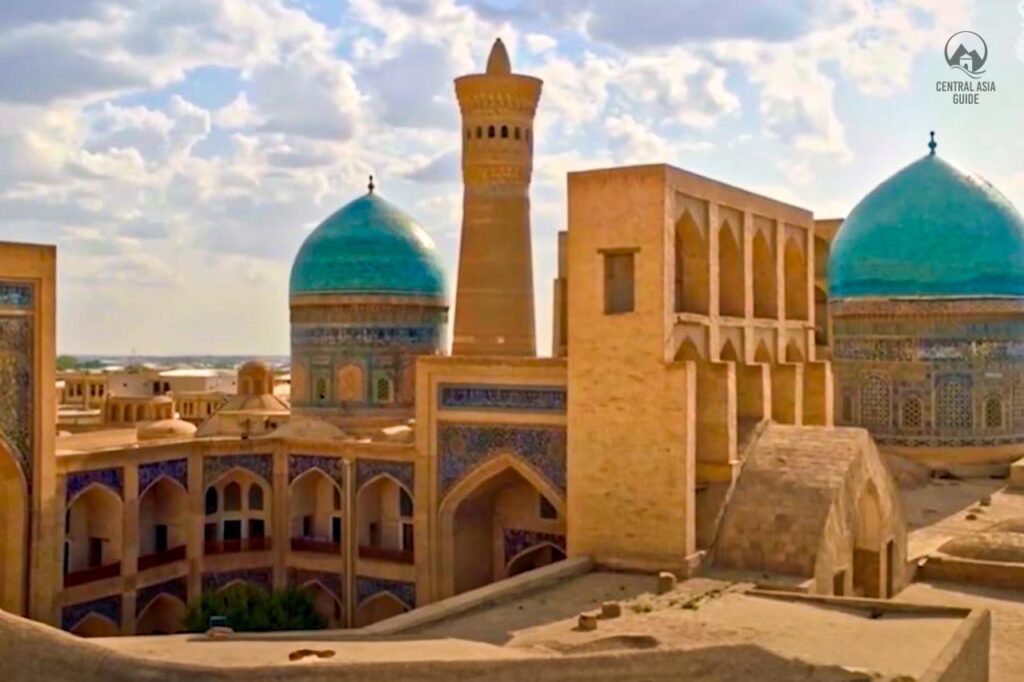
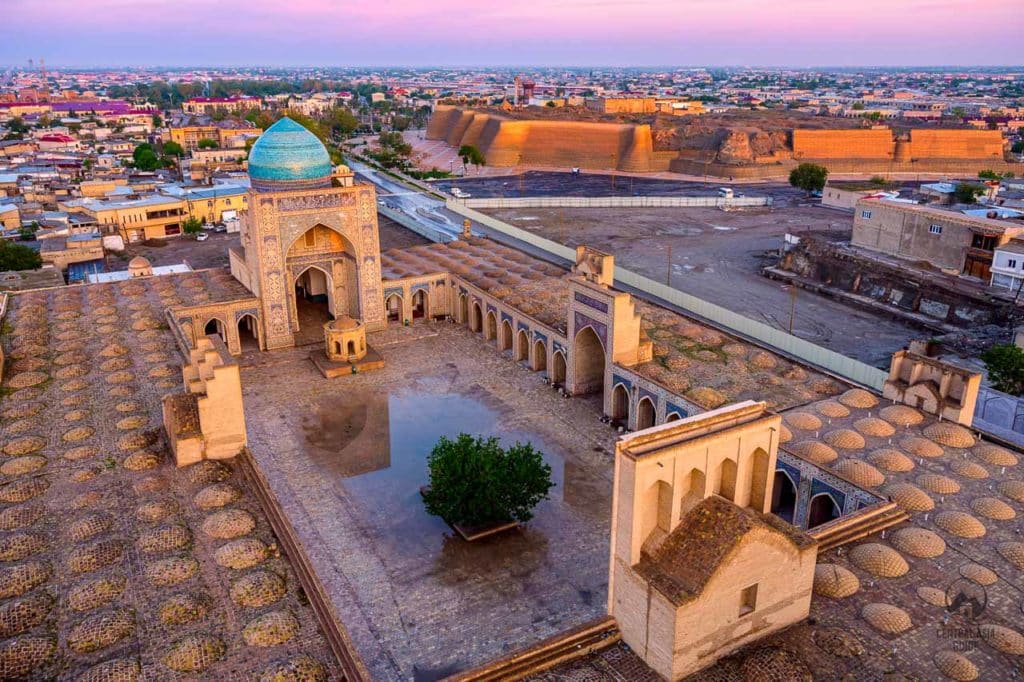
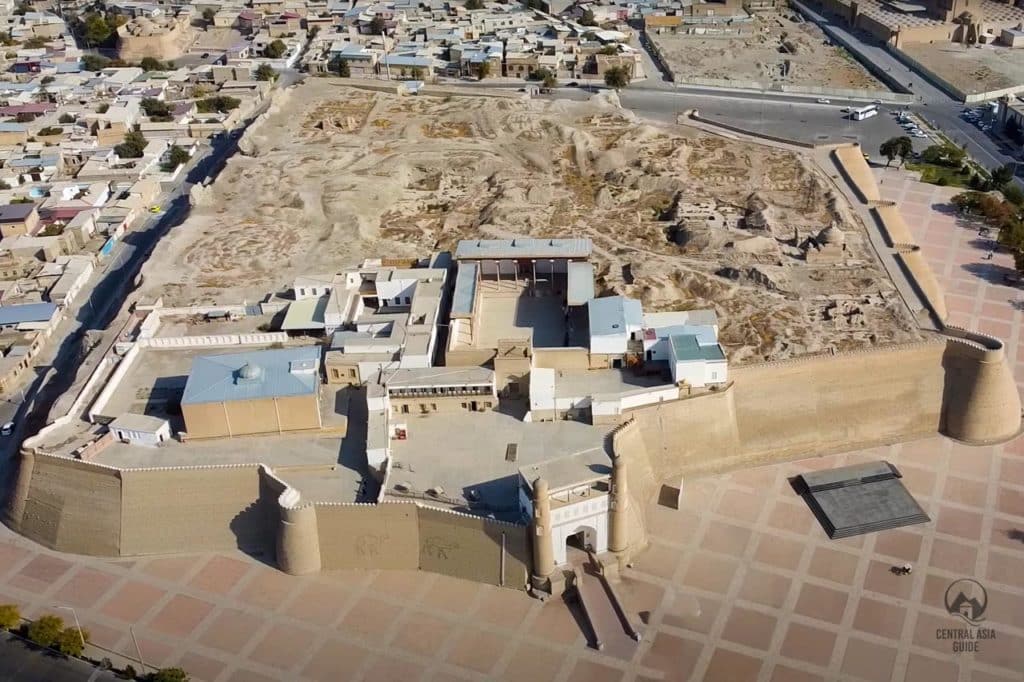
After breakfast, we continue discovering the treasures of Bukhara. We visit the Ismail Samani Mausoleum, a true masterpiece of early Islamic architecture, and the Chashma Ayub Mausoleum, connected to the legend of the Prophet Job. Then we explore the local bazaar, full of life, colors, and aromas. Next, we head to the Bolo-Hauz Mosque, famous for its elegant wooden pillars reflected in the pool, before entering the mighty Ark Citadel, the former residence of Bukhara’s emirs, with its old Zindan prison. We finish our sightseeing at the majestic Po-i-Kalyan Complex, the spiritual heart of Bukhara, with its impressive minaret, madrasa, and mosque. In the evening, we are welcomed into a traditional local home for an authentic cultural experience. Here we’ll take part in a master class on cooking plov, Uzbekistan’s most famous dish, learning its secrets step by step. Afterward, we’ll share a delicious dinner with the family, enjoying warm hospitality and stories of local life. Overnight at the hotel.
Ark of Bukhara, Bolo Hauz Complex, Chashma-Ayub Mausoleum, Poi Kalyan, Samanids Mausoleum
Overnight: Bukhara (Hotel)
- Shower: Yes
- Toilet: Private (in the room)
- Internet: Wi-Fi
Meals: Breakfast, Dinner
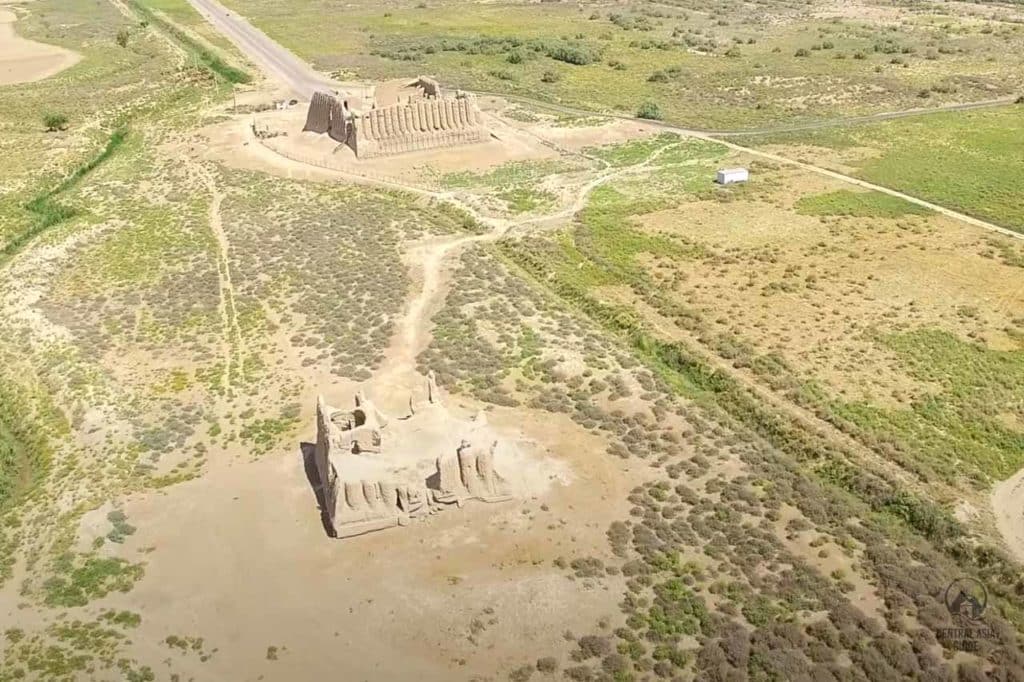
Today we say farewell to Uzbekistan and cross the Farap land border into Turkmenistan. After completing the border formalities, we continue to the ancient city of Merv (UNESCO World Heritage site), once one of the largest and most splendid cities on the Silk Road. We explore its sprawling historical park: the monumental Sultan Sanjar Mausoleum, the crumbling mudbrick citadels of Erk Gala and Gyaur Gala, the mysterious Kyz Gala fortresses and the Muhammed ibn Zaid Mausoleum. Each ruin tells a story of empires risen and fallen. In the late afternoon we drive on to Mary, a modern city built near the ruins. Overnight at the hotel.
Mary, Merv
- Bukhara → Mary (385 km)
Overnight: Mary (Hotel)
- Shower: Yes
- Toilet: Private (in the room)
- Internet: Wi-Fi
Meals: Breakfast
After breakfast we take a short tour of Mary, visiting its lively Central Bazaar, the Russian Orthodox Church and the elegant Gurbanguly Hajji Mosque. Then we set off westward toward Ashgabat. Along the way we stop at the atmospheric ruins of the Anau Mosque and visit the renowned Akhal-Teke horse stables, home to the legendary Akhal-Teke breed, prized for its speed and beauty. By evening we arrive in Ashgabat, check into the hotel and enjoy some free time to relax or explore the city at your own pace. Overnight in Ashgabat.
Ashgabat, Mary, Seyitjemaleddin Mosque (Anau)
- Mary → Ashgabat (365 km)
Overnight: Ashgabat (Hotel)
- Shower: Yes
- Toilet: Private (in the room)
- Internet: Wi-Fi
Meals: Breakfast
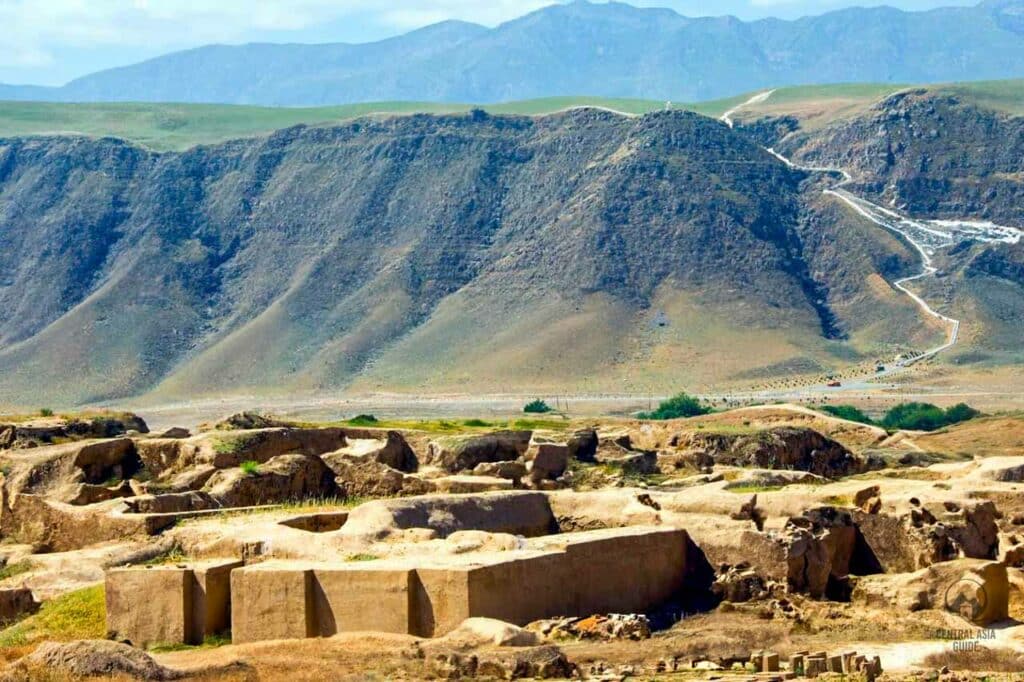
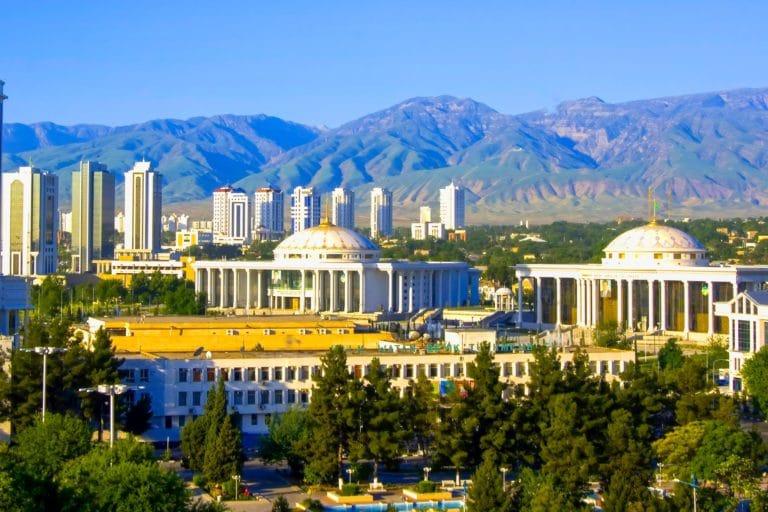
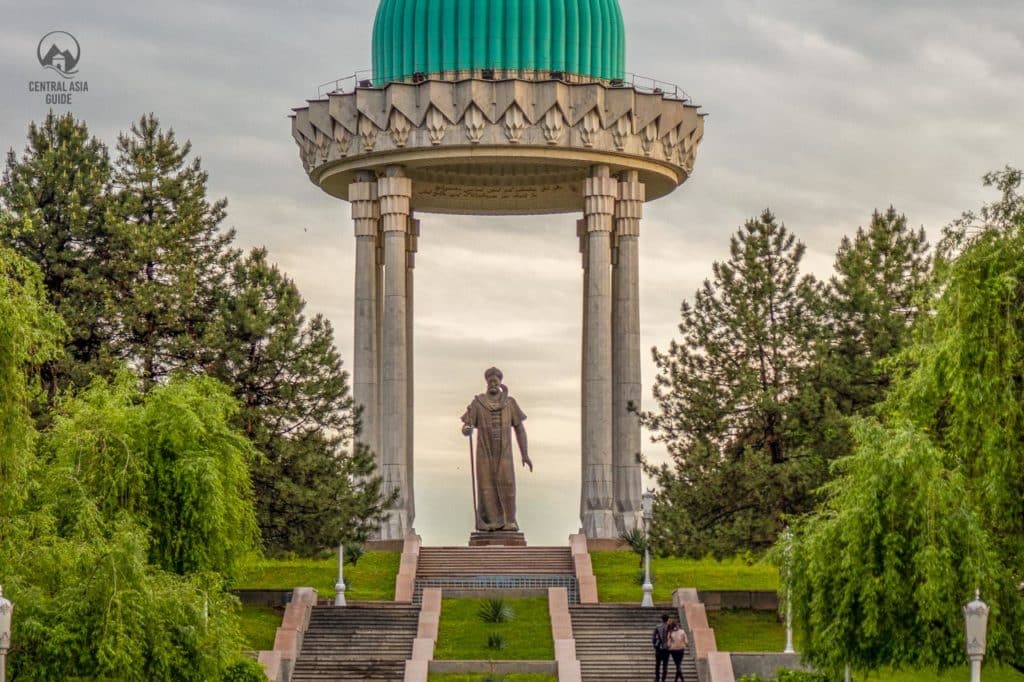
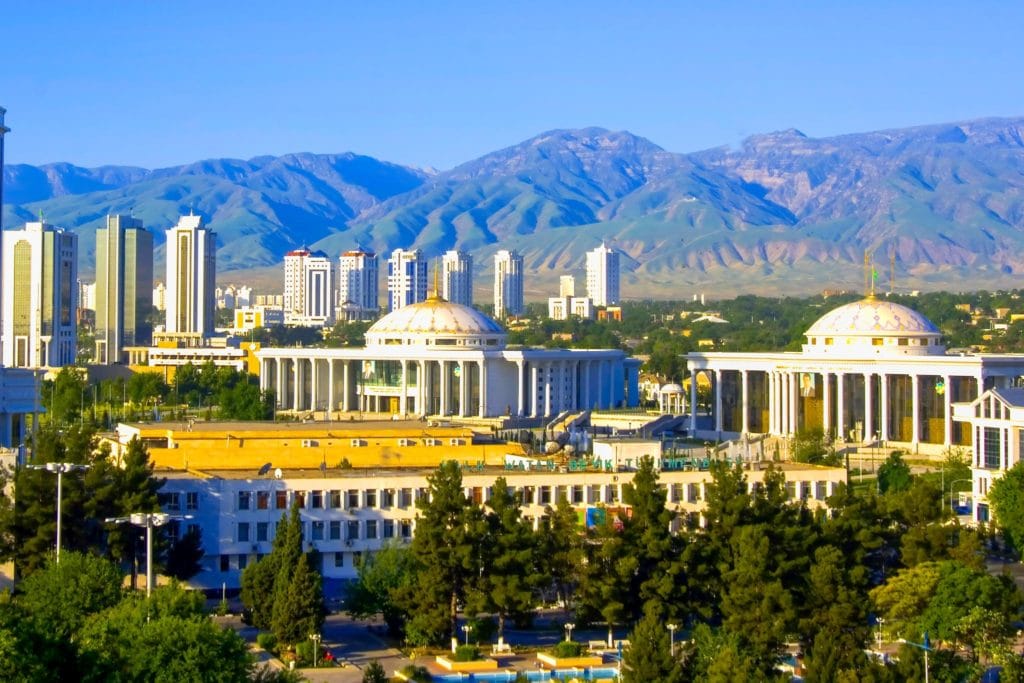
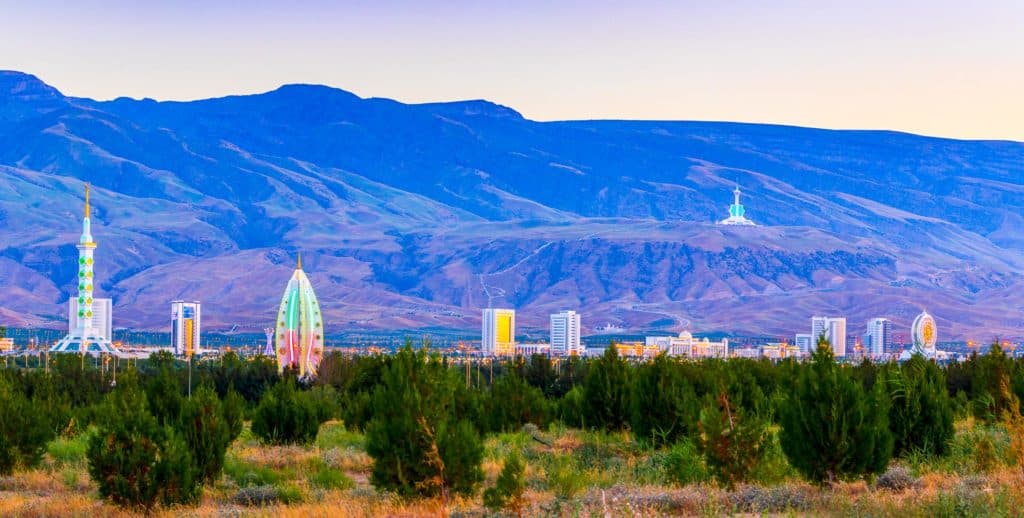
Today we discover the fascinating capital of Turkmenistan, a city of marble avenues, grand monuments and hidden history. Highlights include the striking Ertogrul Ghazi Mosque, Independence Park, the Rukhnama Monument and the gleaming Neutrality Arch. We also admire the statue of the national poet Magtymguly, before venturing out to Old Nisa, a UNESCO World Heritage site that was once the seat of the mighty Parthian Empire. To conclude, we visit the impressive Turkmenbashi Mosque-Mausoleum, the largest mosque in Central Asia. Return to the hotel for an overnight stay in Ashgabat.
Ashgabat, Nisa, Ertuğrul Gazi Mosque, Türkmenbaşy Ruhy Mosque (Kipchak)
- Ashgabat → Nisa
- Nisa → Ashgabat
Overnight: Ashgabat (Hotel)
- Shower: Yes
- Toilet: Private (in the room)
- Internet: Wi-Fi
Meals: Breakfast
Breakfast at the hotel and check-out before 12:00. Transfer to the international airport for your onward flight – carrying with you warm memories and vivid impressions of your journey through Central Asia.
Meals: Breakfast
Download the itinerary
Tour Price
Group Tour Price
Single room supplement: $395
Optional extras
Extra hotel night in Tashkent before the tour (1 night): double/twin room $95, single room $75
Extra hotel night in Ashgabat after the tour (1 night): double/twin room $190, single room $148
What's included
Included
- ✓Accommodation at the hotels listed below, or at similar properties of the same category, in double/twin rooms with breakfast. Early check-in on Day 1 in Tashkent is included; check-in at other hotels is at 14:00, check-out at 12:00.
- ✓Meals – daily breakfasts, 1 lunch and 1 dinner (incl. a cooking class in Bukhara) as per the program.
- ✓Entrance fees to the monuments and museums mentioned in the itinerary.
- ✓Services of English-speaking local guides for sightseeing.
- ✓Comfortable air-conditioned transportation throughout the tour, including all airport–hotel–airport transfers.
- ✓Railway transfer from Samarkand to Bukhara (economy class).
- ✓Assistance with the Turkmenistan e-visa application (a letter of invitation is no longer required): once we receive your documents, we submit the application, and the State Migration Service then sends you a link to complete the form and pay the fees.
- ✓* Tickets for high-speed trains are subject to availability and cannot be guaranteed in advance.
Not included
- –International flight tickets.
- –Extra hotel night in Tashkent before the tour: 75 USD per night (single room) / 95 USD per night (double room) - can be added when booking.
- –Extra hotel night in Ashgabat after the tour: 148 USD per night (single room) / 190 USD per night (double room) - can be added when booking.
- –Meals not mentioned above (in Turkmenistan on average 10–18 USD per meal).
- –Medical expenses and travel insurance.
- –Turkmenistan e-visa fee: standard 40 USD per person (processing about 10–14 business days) or urgent 80 USD per person (about 5–7 business days).
- –Customs fee, paid at the Turkmenistan border: 16 USD per person.
- –PCR test, still mandatory, paid at the Turkmenistan border: 35 USD per person.
- –Porterage at hotels, railway stations, and airports.
- –Tips for guides and drivers.
- –Other personal expenses (e.g. tourist fee in Turkmenistan hotels, 2 USD per person per night).
Where you'll stay
-
Night 1
Tashkent
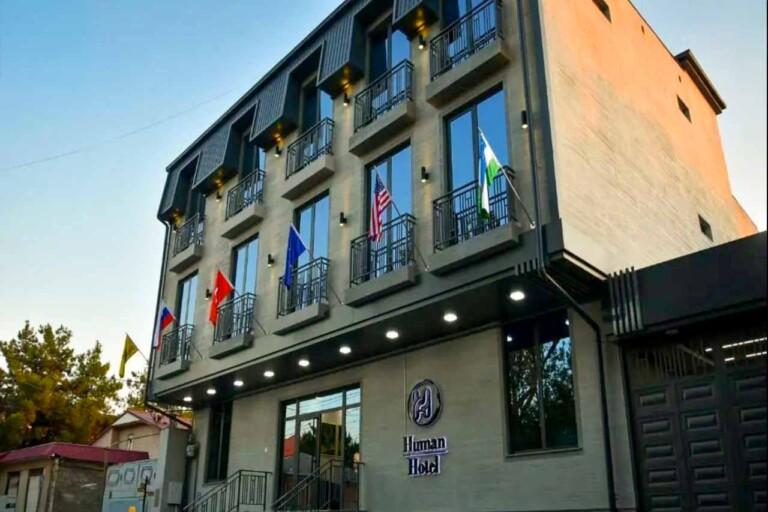
Human Hotel or similar
-
Night 2
Khujand
Khujand Deluxe Hotel or similar
-
Night 3
Panjakent
Panjakent Plaza Hotel or similar
-
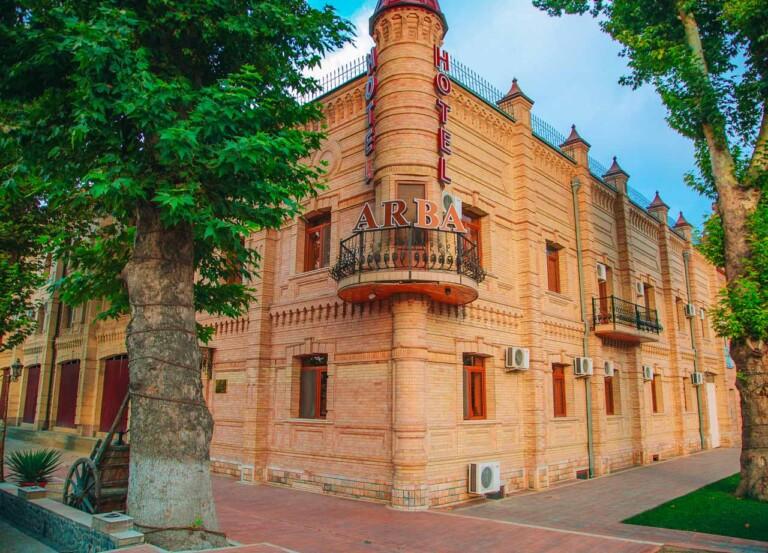
Nights 4–6
Samarkand
Arba Hotel or similar
-
Nights 7–8
Bukhara
Asal Boutique Hotel or similar
-
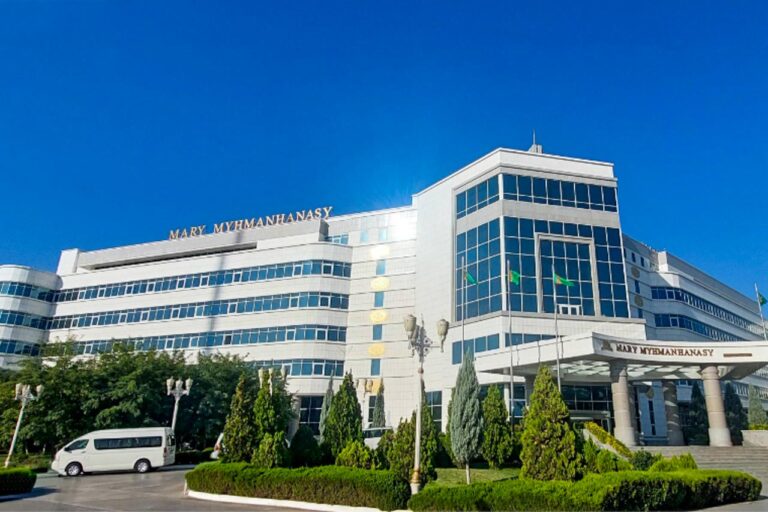
Night 9
Mary
Mary Hotel or similar
-
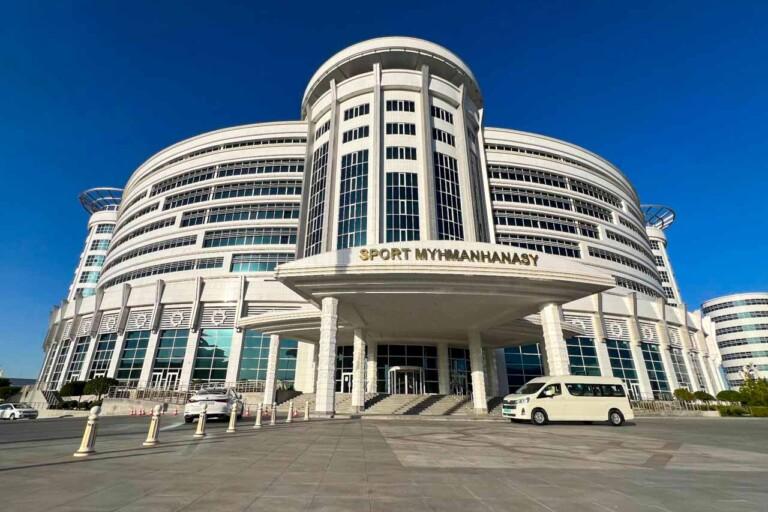
Nights 10–11
Ashgabat
Sport Hotel or similar
Transport
| Group Size | Vehicle Type |
|---|---|
| 1–2 travelers | Chevrolet Lacetti or similar |
| 4 travelers | Hyundai Starex minivan (6 seats) |
| 6–8 travelers | King Long minivan (10 seats) or similar |
| 9–14 travelers | Eurise minivan (18 seats) or similar |
Uzbekistan travel information
Practical essentials for each country on this tour. Open a topic to read more.
Visa policy
Find your country from the list and check possible visa requirements for Tajikistan, Turkmenistan and Uzbekistan before booking. For Turkmenistan tourists need an e-visa, and we assist with the application.
The local currency is the Uzbek sum. Uzbekistan is still mostly a cash economy, but money is easy to exchange and ATMs are common in the larger cities.
Exchanging money
Banks exchange US dollars, euros, British pounds and Japanese yen. There are exchange offices in major cities such as Bukhara and Khiva and at Tashkent airport; elsewhere you need a bank, which often gives a better rate anyway. Your notes must be in pristine condition. Sum is hard to exchange outside Uzbekistan, but you can change it back to US dollars at a local bank.
Cards and ATMs
Cards are accepted in upscale hotels and restaurants in Tashkent and the main tourist cities, with Visa more widely recognised than Mastercard and a standard 3% commission. ATMs dispense sum and are easy to find in the larger cities; many also offer US dollars.
Uzbekistan is generally a safe destination, with little religious extremism and few crimes against foreigners.
Documents
Always carry your passport: it is a legal requirement, and police carry out routine checks.
Getting around
- Use licensed taxis. Local taxi apps are the easiest way to get a ride at local prices, and Yandex works very well in Tashkent and Samarkand. If you take a taxi on the street or at the airport, agree the price first.
- Many roads outside Tashkent, especially in the Tian Shan and Fan mountains, are in poor condition. Driving standards are generally low, and rural roads are often unlit, so night driving is riskier.
- On night trains, keep valuables safe, do not leave belongings unattended and lock the compartment door from the inside.
- Watch your belongings as you would anywhere, and avoid demonstrations and large gatherings.
Laws and customs
- Possessing narcotics is strictly illegal.
- Same-sex relationships are illegal and still socially condemned. Avoid public displays of affection.
- Drones are in practice banned. Permits can be applied for but are very rarely granted.
Photography
Be discreet near government buildings such as the Palace of Forums in Tashkent, and sometimes at local markets that see few tourists. Restrictions have eased, but check before photographing near airports, border checkpoints, military sites, bridges and police stations.
Earthquakes
Uzbekistan is prone to earthquakes, mostly tremors, though stronger ones occasionally occur.
Entering Uzbekistan is straightforward when your documents are in order. Citizens of many countries can visit visa-free, and for many others a visa is easy to get without an invitation.
Registration
Registration rules are stricter than elsewhere in Central Asia: by law you must be registered within 3 days of arrival. Hotels usually do this for you, but register yourself if you stay longer than 3 days in, for example, a rented apartment. Border officers check the registrations when you leave and may ask for the paper slips, so keep them until you exit the country.
Customs
Exporting handcrafted items older than 50 years is prohibited. At land borders, customs officers may check your phone and photos for explicit or confidential material, though this has become very rare.
The best times to visit Uzbekistan are spring (March to May) and autumn (September to November), between the summer heat and the winter cold.
Summer
At the height of summer the land dries out, especially in the countryside, and temperatures rise well above 30°C, often up to 40°C.
Winter
From November to March it can get cold, sometimes below zero, but the skies are mostly clear and bright. Snow is occasional and usually melts within a day or two.
Medical services in Uzbekistan have improved in recent years but are still limited, so good travel insurance that includes evacuation is essential.
Food and water
To avoid traveller's diarrhoea, drink only bottled, filtered or boiled water, and do not use tap water for brushing your teeth or for ice. Choose meat and fish that are thoroughly cooked and served hot.
Medical care
Uzbekistan has a state healthcare system and a small private sector. Larger clinics serve the cities and regional hospitals the countryside. Hospitals usually ask for payment in cash up front, even if you are insured, and serious cases may need evacuation home. Contact your insurer straight away if you need urgent care, and check before you leave what your insurance covers in Uzbekistan.
Medicines
Pharmacies are private, and the range of medicines can be limited. Prescriptions generally require a doctor's consultation. If you travel with medication, check the rules with the embassy, a consulate or Uzbekistan's Ministry of Health.
The official currency is the somoni (TJS). US dollars are accepted in some places, but the somoni is what you use day to day.
ATMs
Withdrawing cash can be difficult, so carry some cash with you. There are ATMs in Dushanbe, Panjakent, Khujand, Khorog, Isfara, Istaravshan and Bokhtar (Kurgan-Tube), and even in smaller towns, but not in Murghab. Eskhata Bank in Dushanbe is a reliable choice for US dollars and has a generous limit for somoni withdrawals. ATMs may be harder to find at weekends, and ATMs that take Mastercard can be tricky to find.
Exchanging money
US dollars and euros are widely accepted, though in rural areas without exchange offices people often prefer dollars. Changing money on the black market is illegal.
The overall security situation is generally stable and Dushanbe is relatively safe, though robbery and petty crime occasionally happen, and foreigners can be targets.
Documents
Always carry a copy of your passport's photo page, as the authorities may ask for identification.
Staying safe
- Avoid demonstrations and large gatherings, and stay alert in public places.
- Do not leave drinks unattended, decline drinks from strangers and keep an eye on how much you drink.
- If you are followed or harassed at the airport, report it right away to your tour agent or the consular office at the airport.
- Women travelling alone may face unwanted attention or harassment.
Laws and customs
- Respect local traditions, customs, laws and religions.
- Smoking while walking in the street is prohibited.
- Possessing or using drugs is strictly illegal.
- Photographing anything related to the military or security services can cause trouble with the authorities.
- Same-sex relationships are not illegal, but local views are conservative and tolerance varies, especially outside the major cities.
Roads and services
- Vehicles are often poorly maintained and driving standards are basic. Fuel stations are rare outside the cities and emergency services may not be available, so bring what you need and expect delays.
- Roads outside the major cities are poor and some are passable only by four-wheel drive. Spring is especially hazardous because of avalanches and landslides.
- Energy and water shortages and power cuts are common, especially in winter and spring and mostly outside Dushanbe.
Border areas and nature
- Avoid the border area with Afghanistan because of the unstable security situation there.
- Kyrgyzstan and Tajikistan signed a border treaty in 2025 after the clashes of 2022, and the northern Sughd region, including Khujand, is safe to visit.
- Tajikistan is prone to earthquakes, avalanches, landslides and floods.
Visitors from many countries can travel to Tajikistan visa-free. Leave the country before your visa or visa-free stay runs out, to avoid fines and having to get an exit visa.
Pamirs (GBAO) permit
A permit is required to visit the Gorno-Badakhshan Autonomous Region (GBAO).
Borders and customs
Tajikistan's borders can close at short notice. Declare large amounts of money on arrival, and show the customs declaration when you leave.
The best months to explore Tajikistan are April, May, June, September and October. September may be the very best: the heat on the plains has eased and nearly all mountain passes are still open.
Autumn
In September the markets are full of fresh produce and the landscape turns golden.
The Pamirs
The best time to visit the Pamirs is August.
Summer and winter
Summers are dry and very hot, up to 40°C in the lowlands. Winters can be extremely cold, down to −20°C in the mountains, and heavy snow in the west can disrupt winter routes and close the high passes.
Medical facilities in Tajikistan are limited and essential medicines are often in short supply. Outside Dushanbe facilities are basic, and some areas have almost none.
Insurance
Before you go, check that your destination can provide any medical help you might need, and make sure your travel insurance covers treatment and unexpected medical evacuation. If you are sent to a medical facility, contact your insurer straight away.
Medicines
Some medicines containing codeine are strictly prohibited. Check that any medication you bring is legal, and declare all medicines and other restricted items on arrival.
Vaccinations and risks
Ticks are common in forests and rural areas from spring to autumn. Improperly disposed uranium and pesticides in the northern Sughd region are a possible health hazard. At a minimum, get vaccinated against hepatitis A and B and tetanus before your trip.
The official currency is the manat. Most shops and restaurants take cash only, so carry your money in cash, preferably new US dollar notes.
Cards and ATMs
A Visa card works for payments or cash withdrawals in some hotels and banks, but most ATMs only accept local Turkmen cards.
Exchanging money
US dollars are easy to exchange throughout the country, but euros only in Ashgabat, and euro notes are not widely accepted. Exchange money legally at banks, and only as much as you expect to spend: manat cannot be changed back into dollars. The official rate is fixed at 3.50 manat to the US dollar; there is no fixed rate for euros.
Meals
If lunch and dinner are not included in your tour, expect to pay an average of 10–18 USD per meal.
Keep a reserve
A cash reserve for unexpected situations is wise anywhere in Central Asia, and especially in Turkmenistan.
Turkmenistan is a safe country as long as you stay within the law; overstepping it can have unpleasant consequences.
Staying safe
- Carry identification with you at all times while travelling around the country.
- Wear a money belt, keep an eye on your belongings, avoid poorly lit streets at night and do not use unofficial taxis when travelling alone.
Photography and internet
- Photographing military zones, transport hubs and government buildings is prohibited by law. People may also be sensitive about being photographed without consent.
- Several social media apps and websites are blocked and cannot be used without a VPN.
- Drones are in practice banned.
Laws and customs
- Avoid public displays of affection. Homosexuality is illegal. Relationships with Turkmen women are best avoided, as they can lead to fines and deportation.
- Avoid talking about politics, human rights, religion, or criticising the president, the country or its people.
- During Ramadan, the Muslim holy month whose dates move each year, eating, drinking, smoking and chewing gum in public are forbidden in daylight hours, as are loud music, dancing, revealing clothing and swearing in public.
- Smoking is banned in all public places except designated smoking areas. Possessing or using illegal drugs can mean a long prison sentence.
Earthquakes
Turkmenistan is prone to earthquakes, mostly tremors, though stronger ones occasionally occur.
All international visitors need a visa for Turkmenistan. Tourists now get an e-visa, and a letter of invitation (LOI) is no longer required.
E-visa fee and processing
- Standard e-visa: 40 USD per person, processing takes about 10–14 business days.
- Urgent e-visa: 80 USD per person, processing takes about 5–7 business days.
Booking with us
We assist with your e-visa application. Once we receive the necessary documents, we submit your application. Upon confirmation of this submission, the State Migration Service provides you with a dedicated link to complete the form and pay the required fees.
Fees on arrival
- Customs fee: 16 USD per person.
- PCR test: 35 USD per person. The test is still mandatory and is conducted as a procedure.
The best times to visit Turkmenistan are March to June, when the sun shines and temperatures are pleasant, and September to November. Spring is especially lovely, with a short burst of delicate flowers and green landscapes.
Summer
Turkmenistan's dry continental climate makes it one of the hottest places in Central Asia. July and August are the least favourable months, with temperatures in Ashgabat reaching 50°C. Most of the main sights are in the treeless desert, but the Caspian coast is usually milder than inland and suits summer travel.
Winter
Cold weather arrives in December, with temperatures below 0°C, occasional frosts down to −20°C and snow in parts of the country.
Medical services in Turkmenistan are rudimentary at best. Make sure your insurance covers unforeseen medical situations, including repatriation.
Food and water
To avoid traveller's diarrhoea, drink only bottled, filtered or boiled water, and do not use tap water for brushing your teeth or for ice. Avoid ice cream. Choose meat and fish that are thoroughly cooked and served hot, cook vegetables and peel fruit.
Vaccinations
Vaccinations against diphtheria, hepatitis A and tetanus are advisable.
Medical care
If you need urgent medical care, contact your travel insurer straight away. Check the rules for travelling with medicines before you go.
Similar tours
More multi-country tours that include Uzbekistan, Tajikistan or Turkmenistan.
10 days
Uzbekistan and Tajikistan Group Tour
Tashkent, then Khujand, Istaravshan and the Seven Lakes in Tajikistan, and on to Samarkand and Bukhara.
- Culture
- Multi-country
- +2
Starts in Tashkent Next departure 17/04/2027
8 days
Uzbekistan – Turkmenistan tour
Samarkand's Registan and Bukhara in Uzbekistan, then the ruins of Merv and white-marble Ashgabat in Turkmenistan.
- Culture
- Multi-country
- Silk Road
Starts in Samarkand Next departure 21/04/2027
17 days
Central Asia in Depth Tour
Charyn Canyon, the Kolsay and Kaindy lakes, Kyrgyz mountain villages, Bishkek, Tashkent, Samarkand and Bukhara.
- Culture
- Multi-country
- +2
Starts in Almaty Next departure 10/04/2027
15 days
Sale
Five Stans of Central Asia Tour
All five Stans: the Darvaza gas crater, Merv, Bukhara, Samarkand, the Seven Lakes, Bishkek, Issyk-Kul and Charyn Canyon.
- Culture
- Hiking
- +3
Starts in Ashgabat Next departure 22/12/2026
22 days
Featured
The Best of the Five Stan Tour
All five Stans: Kyrgyz nomad culture, Issyk-Kul, Almaty, Iskanderkul, Samarkand, Bukhara, Khiva and the Darvaza crater.
- Culture
- Multi-country
- +2
Starts in Bishkek Next departure 07/04/2027
17 days
Silk Road Tour
From Ashgabat to Astana: the Darvaza gas crater, Merv, Bukhara, Samarkand, the Seven Lakes, Issyk-Kul and Charyn Canyon.
- Culture
- Multi-country
- Silk Road
Starts in Ashgabat Next departure 22/12/2026
Tour updated