
Central Asia Tourism Development
Central Asia Tourism Development
Amount of tourism in Central Asia countries is growing fast due to visa requirement easing and simply because Central Asia is getting more known among travelers. Most of the visitors in Central Asian countries of Kazakhstan, Kyrgyzstan, Tajikistan, Turkmenistan and Uzbekistan are still from the neighboring countries but this article focuses on the development of tourism from countries outside Central Asia. Increased amount of flight connections to the Central Asian capitals and also other tourism hubs allows the rapid growth of tourism also in the future.
Development of tourist amounts in Central Asia
Most sources do not differentiate tourism between Central Asian countries from the visitors outside the region but it is generally stated that most of the visitors are from inside the region and Russia. Uzbekistan has been traditionally the leader in tourist amounts but the amount of visitors in Kazakhstan has been growing rapidly lately.
| Country | 2019 | 2020 | 2021 | 2022 | 2023 | 2024 | 2025 (est) |
|---|---|---|---|---|---|---|---|
| Kazakhstan | ~8.1 (Wikipedia) | ~2.0–2.4 (Wikipedia) | Low recovery | ~? | ~? | ~15.3 (Turksam) | ~? |
| Uzbekistan | ~6.75 (Wikipedia) | ~1.5 (Wikipedia) | ~? | ~5.23 (Centralasianlight) | ~6.62 (Centralasianlight) | ~10.0–10.4 (Turksam) | 11.7 (UzDaily.uz) |
| Kyrgyzstan | ~6.9 increase | lower due to pandemic | ~? | ~6.0–? (Cipe Africa) | ~8.56 (Cipe Africa) | ~8.86 | ~8.8–9.0 |
| Tajikistan | ~1.3 (Wikipedia) | ~0.4 (Wikipedia) | ~0.5 (Wikipedia) | ~1.0 (Cipe Africa) | ~1.36 (InLibrary) | ~~1.3–1.4 (Turksam) | ~1.4–1.5 (euronews) |
| Turkmenistan | Very low (~0.01–0.02) | Extremely low | Extremely low | Very low | Very low | <0.3 | <0.3 (similar) |
Central Asia Tourism Growth Risks
Many of the Central Asian sites, especially in the mountainous and rural areas are at risk of damage and rapid changes due to increased amount of tourists. The risks are further increased by the lack of even basic level infrastructure to protect many sensitive sites that simply cannot sustain the amount of physical wear caused by visitors.
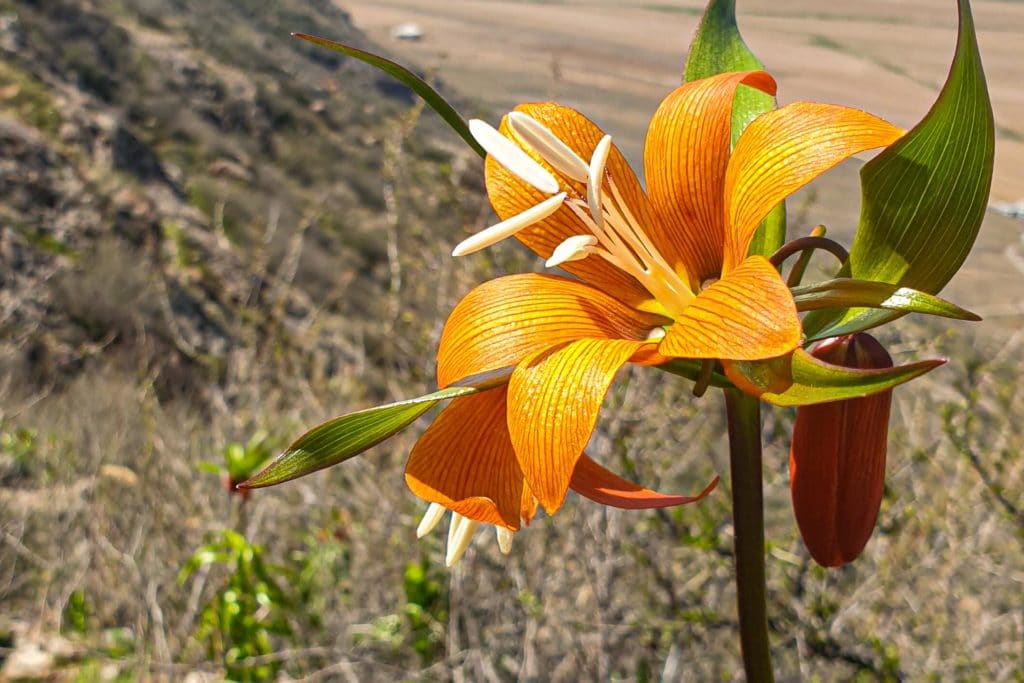
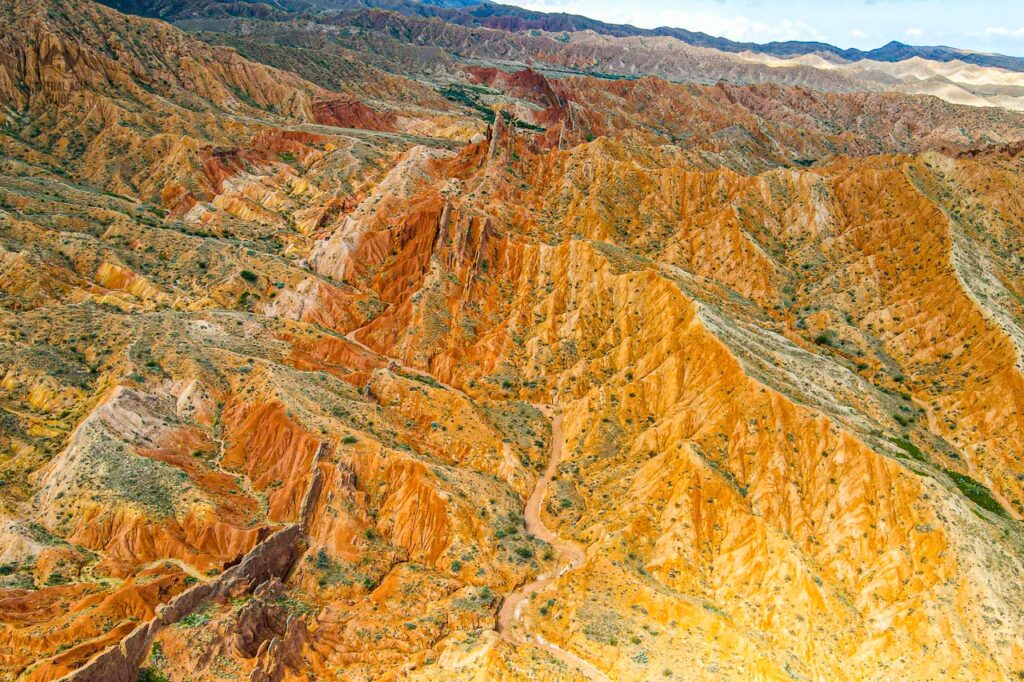
Rural and traditional way of life and the spirit of some sites is rapidly changing which can also cause decline in the amount of tourists due to losing exactly what tourists were interested in seeing in the first place such as the cultural experiences in high pastures of Kyrgyzstan and. Good examples of sites that are already suffering from too large crowds are the unique Batken Aigul flower hill, Fairytale canyon, Kaindy and Kolsai lakes and the Kok Kiya valley near Kel Suu.
Transforming from adventure tourism towards mass tourism will have a significant impact in the rural areas whereas for example the Silk Road cities of Uzbekistan such as Khiva, Bukhara and Samarkand are already very much mass tourism destinations with straight flights and well developed facilities but are already suffering from the feel of overly large crowds at sights that are not made for large crowds. Underdeveloped culture of waste management and respect of ecological values of some local tour companies can also have a detrimental impact on visitors from developed countries
Development of infrastructure and services
There are also many signs of positive infrastructure development in all Central Asian countries. For example, the road conditions have improved considerably within the last 5-10 years, often with the help of foreign funding. The quality of hotels and other accommodation is also reaching international standards in many cities with lots of tourists but in general it must be said that there is still room for improvement. The operators in the rural areas have also started to understand better what is expected by the tourists and combining the better knowledge with the overwhelming hospitality of Central Asian peoples has produced some amazing examples of excellent service levels even in very remote locations.
Kyrgyzstan and Kazakhstan are also investing in the mountain tourism industry, for both summer and winter seasons by investing heavily in ski resorts infrastructure and other mountain related facilities such as cable cars.
More information about Central Asia
Page updated 21.2.2026