Southern Kyrgyzstan culture tour
Accommodation, guides, transport included.
Tell us when you would like to travel and how many people you are. We will reply with availability and the current price for your dates.
Tour start date:
Southern Kyrgyzstan culture tour Highlights
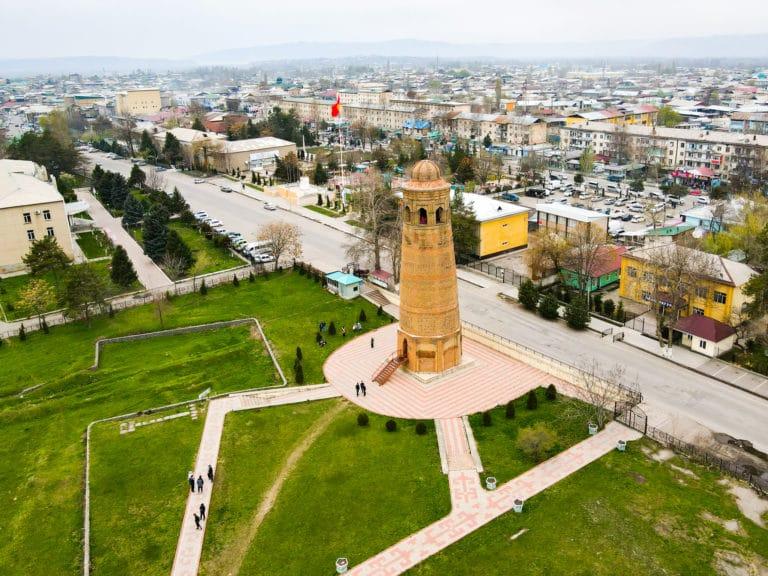
Share daily life with Kyrgyz farming families, make felt carpets and cook local dishes on this 10-day culture tour. The journey starts in Osh, the old Silk Road city of the south, with its oriental bazaar and the sacred Sulaiman-Too mountain. On the way to Jalal-Abad you stop at the medieval minaret of Uzgen and then settle in with farmers’ families in the villages of the region.
For three days you work in the fields alongside your hosts in the mornings and spend the free time visiting the village school, cooking dishes from your own country with the family or taking a light hike in the Arslanbob walnut forest. The families are not set up as tourist lodgings, but they have learned to welcome guests with what they have – Kyrgyz hospitality at its most genuine.
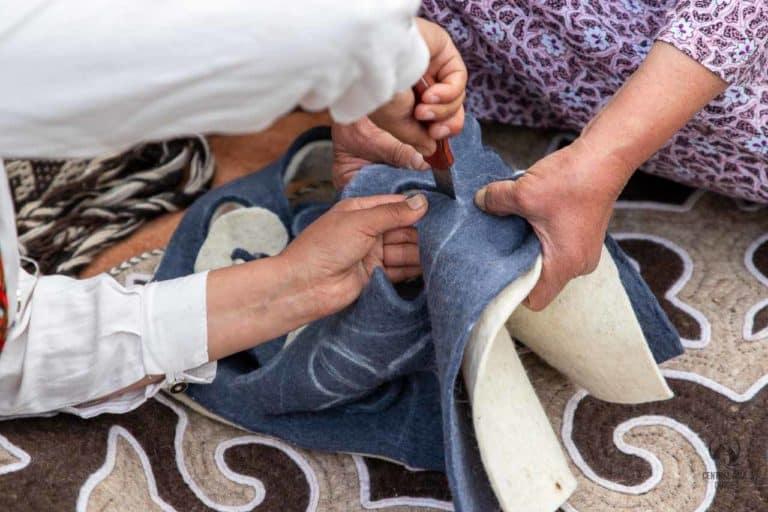
A long drive north brings you to the mountain village of Kyzyl-Oi and on to Kochkor, where local women show you how the traditional felt carpets shyrdak and ala-kiyiz are made. In the Chon-Kemin valley you learn to bake boorsok with a farmer’s family, and on the last day you visit the 11th-century Burana Tower on the way to Bishkek for a city tour.
Difficulty: Easy No physical challenges beyond half days of light farm work in the fields (days 3–5) and optional light hikes. Very simple village homestays, altitudes up to about 1,800 m, and long drives of 450 km (7–8 hours, day 6) and 200 km (4–5 hours, day 7).
Tour Itinerary
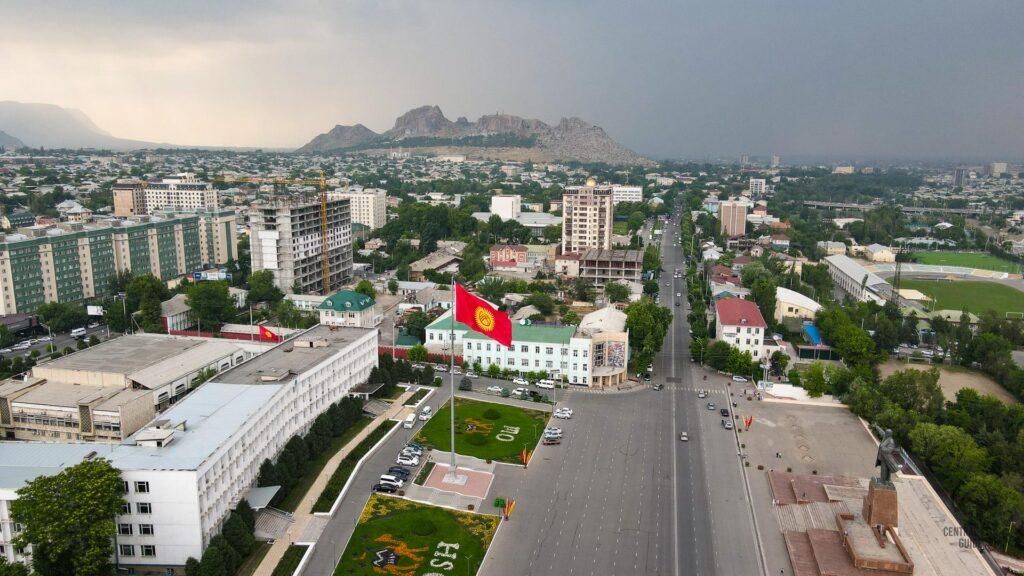
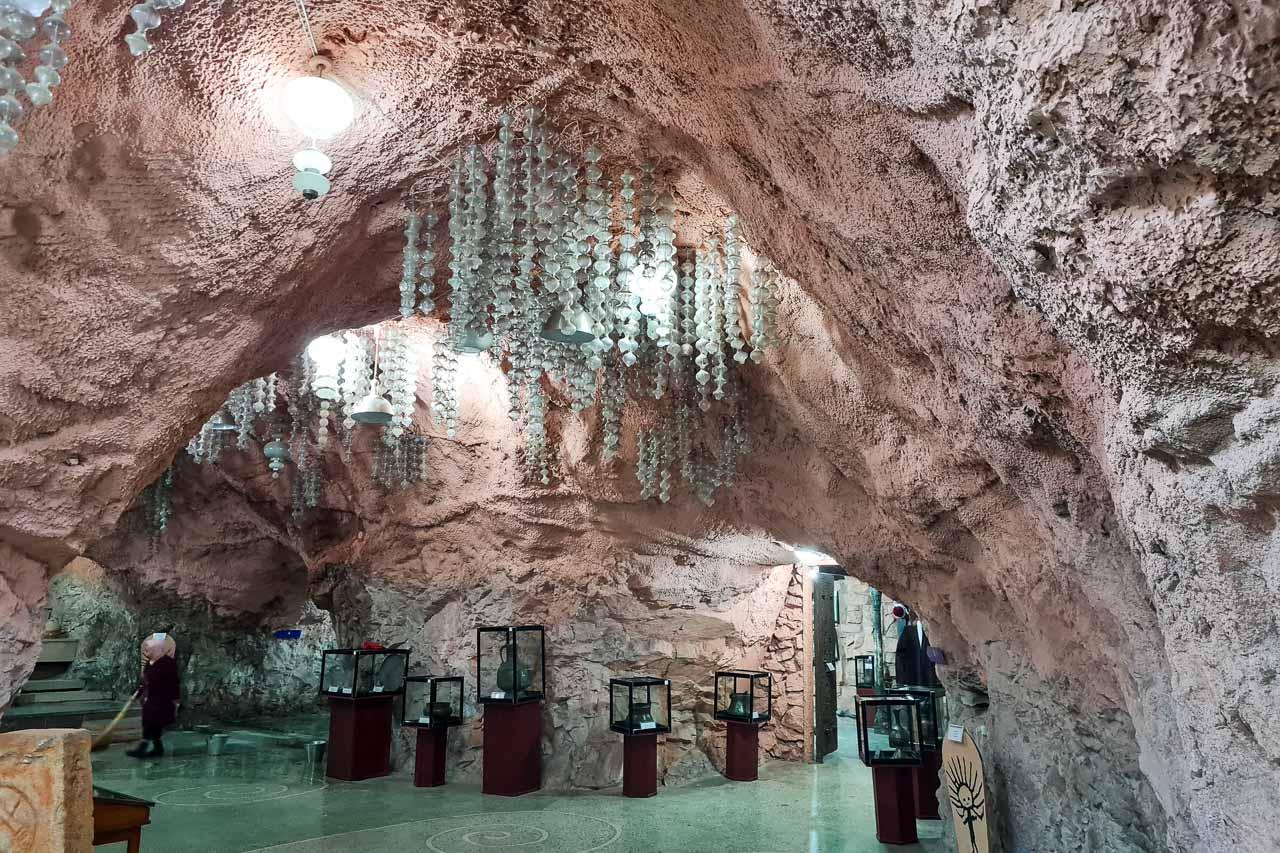
Arrive in Osh, the ancient Silk Road city of southern Kyrgyzstan (about 800 m). You are met and taken to the hotel for a rest (early check-in is included), followed by lunch. In the afternoon set off on a city tour of Osh. Climb the sacred Sulaiman-Too mountain with the small house of Babur – the founder of the Mughal dynasty and a descendant of Timur – and explore the colorful oriental bazaar. Dinner and overnight at the hotel.
Osh, Sulaiman Too, Jayma Bazaar (Osh)
Overnight: Osh (Hotel)
Meals: Breakfast, Lunch, Dinner
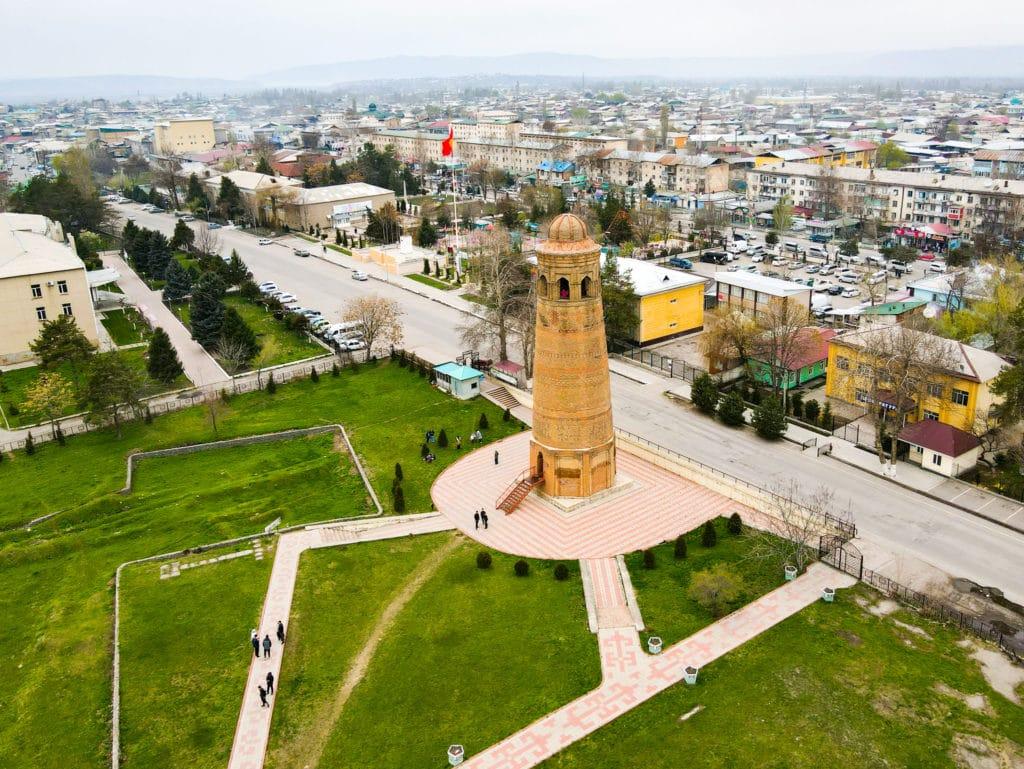
After breakfast drive to Jalal-Abad (150 km, about 3–4 hours). On the way stop in Uzgen to see its medieval minaret and meet a local farming family who grow rice – you help them clean the rice before lunch. In Jalal-Abad you get an introduction to a local organic cotton project at its regional office. Then continue to the villages where the project’s farmers live, about 40–50 km from Jalal-Abad. Meet the farmers and have dinner together at a community guesthouse. For the next four nights you stay with farming families in one or two villages, 2–3 travelers per family. The families do not have tourist-class facilities, but they have been taught how to welcome guests in their homes with what they have – a real chance to share the local way of life (about 800 m).
Uzgen, Jalalabad
- Osh → Jalalabad (150 km)
Overnight: Jalalabad (Homestay)
Meals: Breakfast, Lunch, Dinner
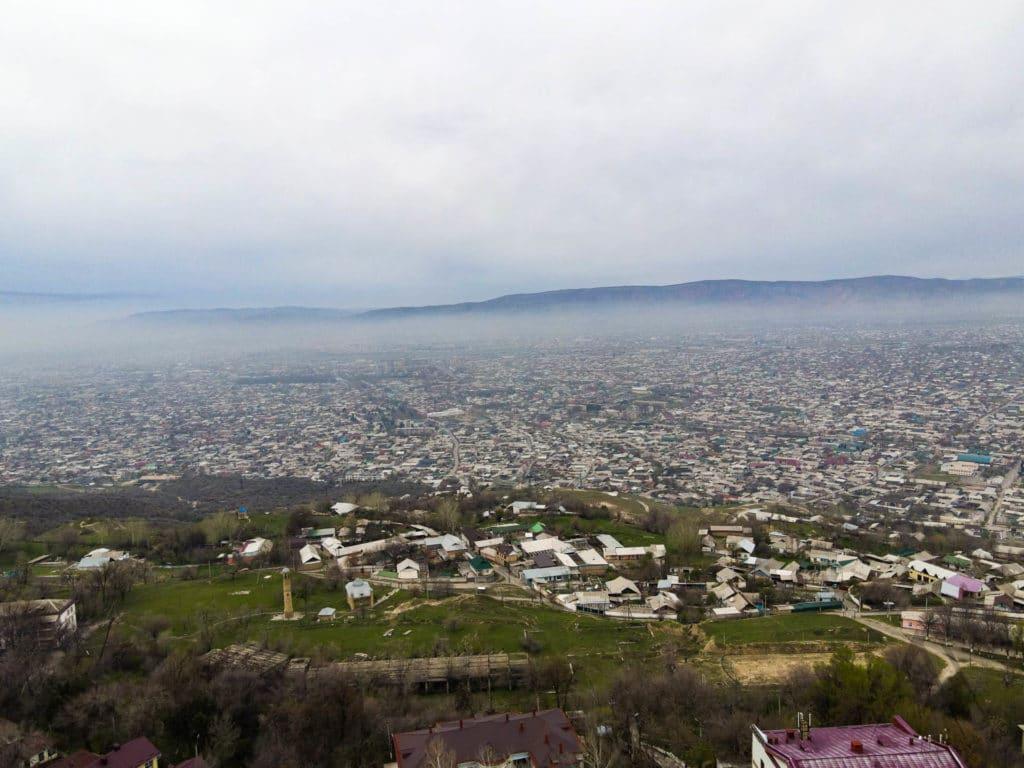
After breakfast join your host family and other selected farmers for volunteer work in the fields during the first half of the day. In your free time the farmers can take you to the local school to see how children are taught in villages far away from the big cities. All meals are prepared by the farmers’ families. Overnight with your host family (about 800 m).
Overnight: Jalalabad (Homestay)
Meals: Breakfast, Lunch, Dinner
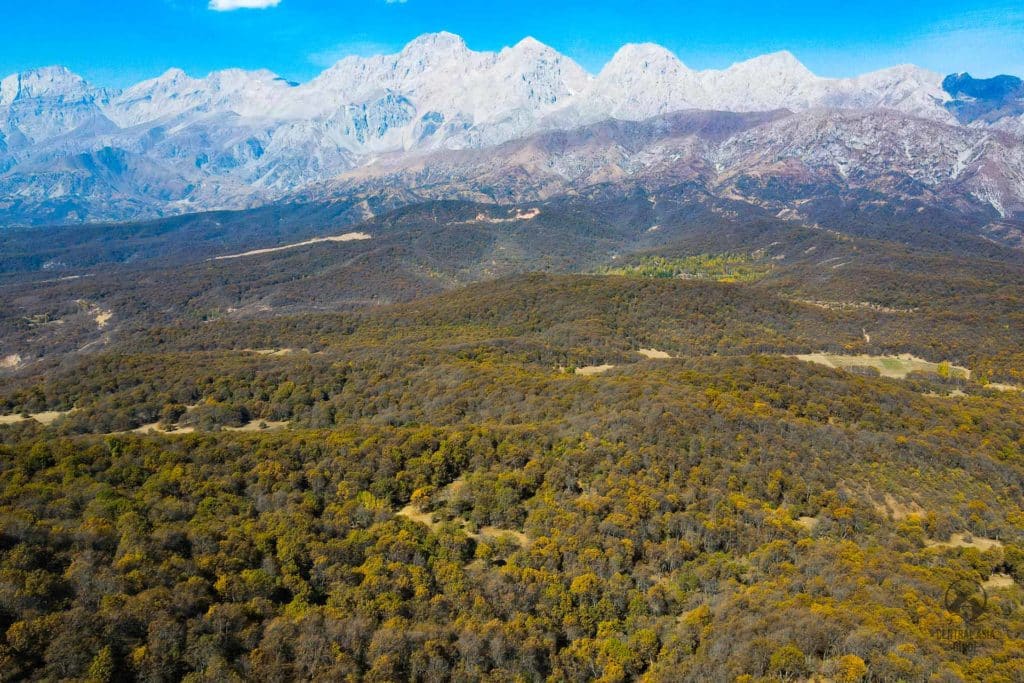
Another morning of fieldwork together with the farmers. On one of the days in the villages you can also visit the Arslanbob walnut forest for a light hike. Meals with your host family and overnight in the village.
Arslanbob
Overnight: Jalalabad (Homestay)
Meals: Breakfast, Lunch, Dinner
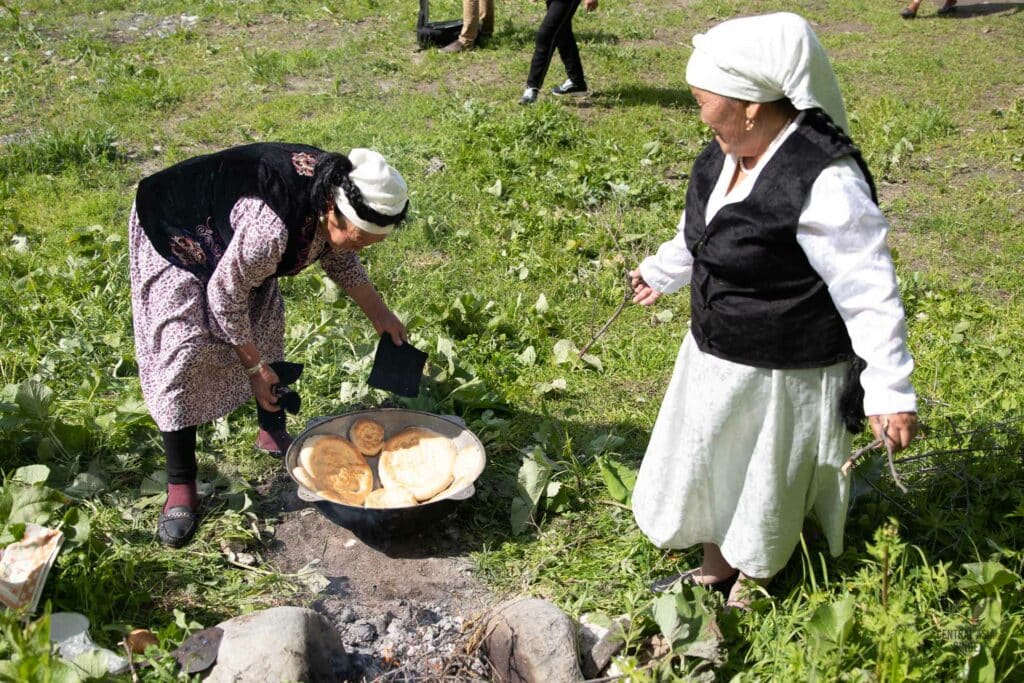
Spend a last morning working in the fields with the farmers. In the afternoon you can teach your host family how to cook a traditional dish from your own country. In summer the villages have plenty of fruit and vegetables, and potatoes, rice and meat are easy to find, so you can cook with local ingredients – and the families are keen to share the experience. Dinner and overnight with your host family.
Overnight: Jalalabad (Homestay)
Meals: Breakfast, Lunch, Dinner
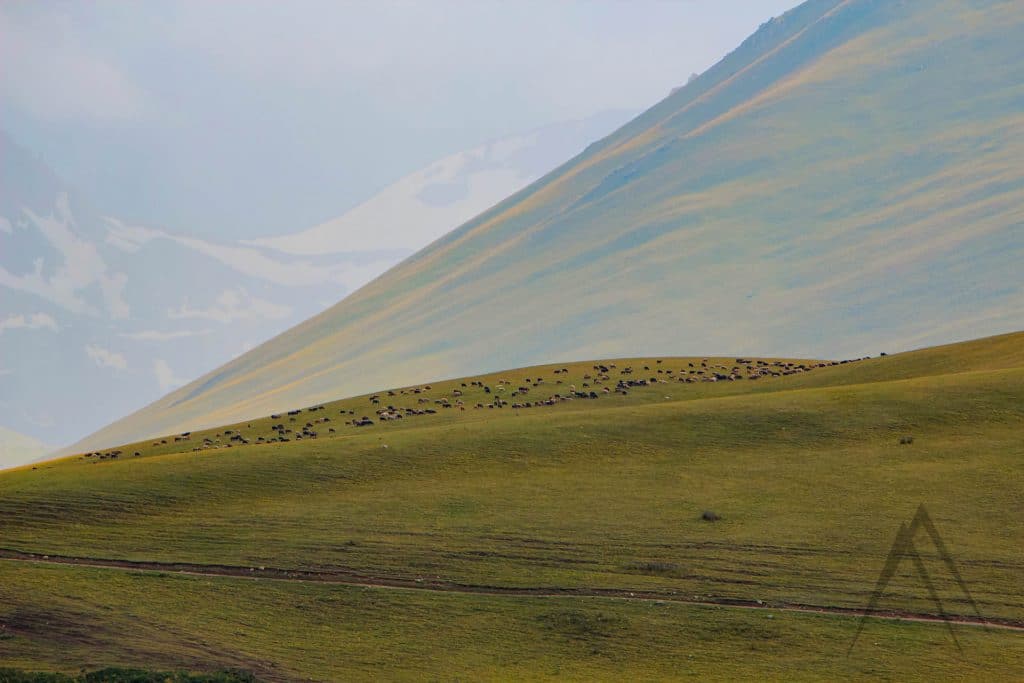
After breakfast say goodbye to your host families and set off on the long drive north to Kyzyl-Oi (450 km, about 7–8 hours), a mountain village at about 1,800 m. In Kyzyl-Oi you stay with a family in a community-based tourism guesthouse. Guesthouses like this were set up to improve living conditions in remote mountain regions through sustainable ecotourism. The accommodation is very simple, but the rooms are cozy and clean, with 4–5 guests per family guesthouse. Dinner with the family and overnight.
Kyzyl-Oi
- Jalalabad → Kyzyl-Oi (450 km)
Overnight: Kyzyl-Oi (Homestay)
- Toilet: Shared (indoor)
Meals: Breakfast, Lunch, Dinner
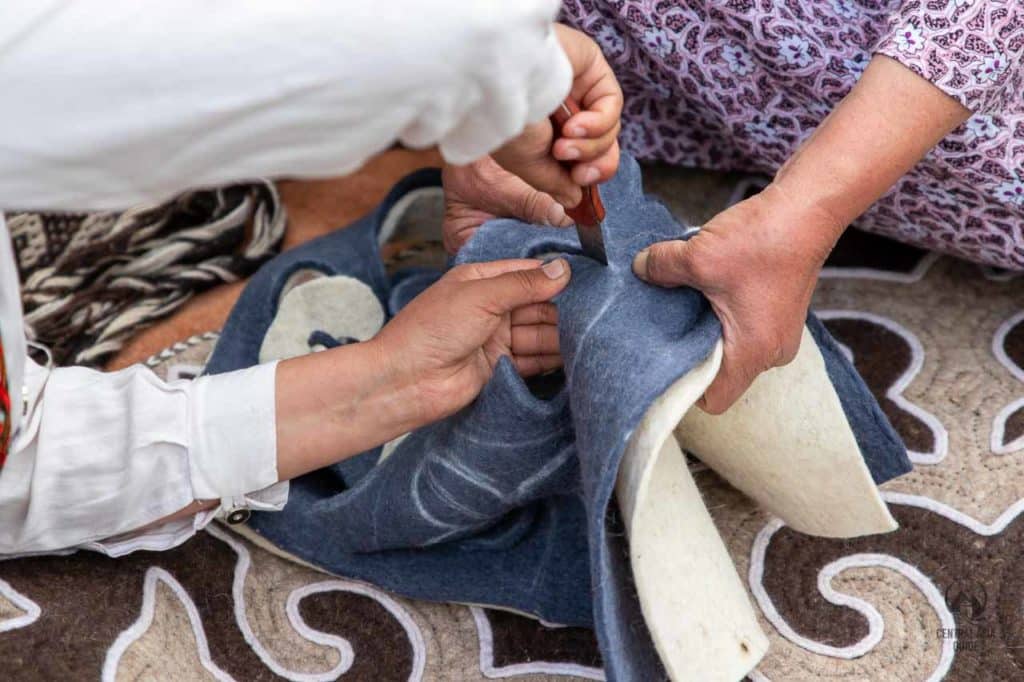
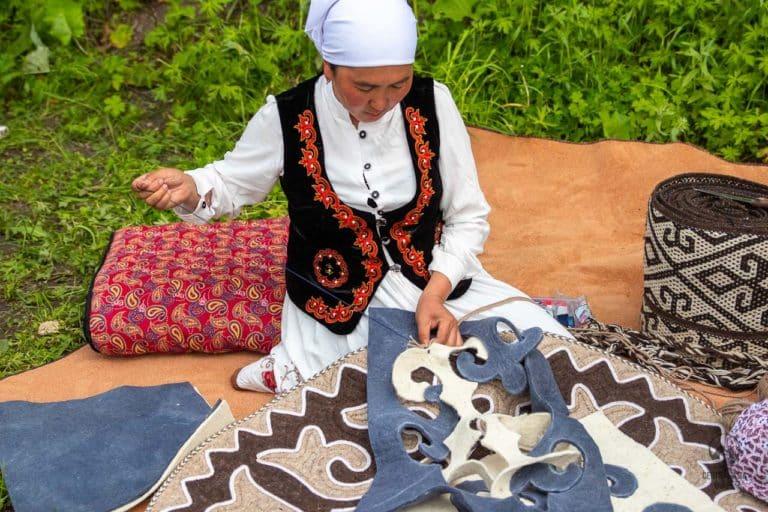
After breakfast drive to Kochkor village (200 km, about 4–5 hours; 1,750 m). Here you visit a group of local women who make the traditional nomad felt carpets shyrdak and ala-kiyiz. Their cooperative was founded in the spring of 1998 by more than 200 women to earn an income from felt carpets and to defend the interests of private carpet makers. Every shyrdak is still unique: it is designed and made by hand with the Kyrgyz knowledge of patterns, symbols, colors and sewing techniques, and the women work on it together, keeping carpet making part of their social and economic life. Dinner and overnight in Kochkor. Over dinner your hosts tell you about their long experience in tourism.
Kochkor
- Kyzyl-Oi → Kochkor (200 km)
Overnight: Kochkor (Hotel)
Meals: Breakfast, Lunch, Dinner
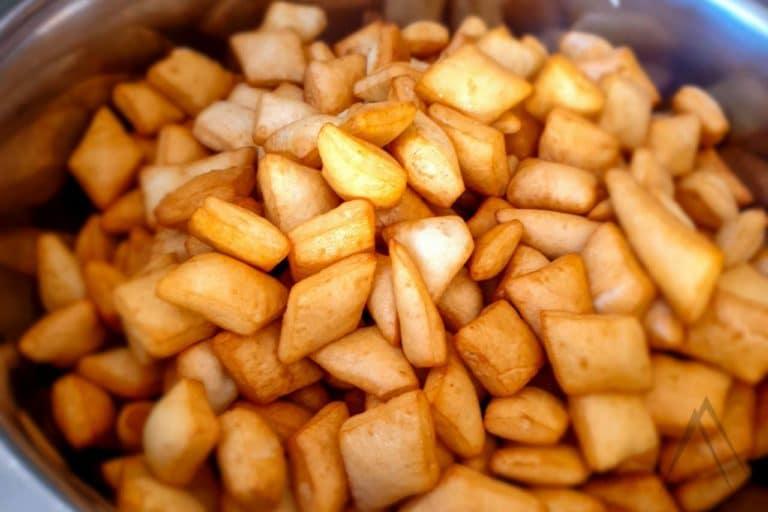
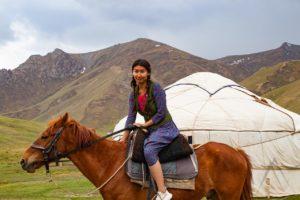
In the morning you can join an optional 2-hour cultural show in Kochkor, Kyrgyz-Kochu: local shepherds re-enact the nomads’ move from one summer pasture to another, with a yurt being set up to local songs and music. Then drive to the Chon-Kemin Nature Park (130 km, about 3 hours; 1,800 m) and check in at a local farmer’s guesthouse. Take a light hike to a viewpoint above the village, or rent a horse for an optional ride. Before dinner join a cooking class and learn how to make boorsok, the Kyrgyz fried bread. Over dinner the farmer tells you how he started welcoming tourists. Overnight in the guesthouse.
Boom Gorge, Chon Kemin
- Kochkor → Chon Kemin (130 km)
Overnight: Chon Kemin (Guesthouse)
- Shower: Yes
- Toilet: Private (in the room)
Meals: Breakfast, Lunch, Dinner
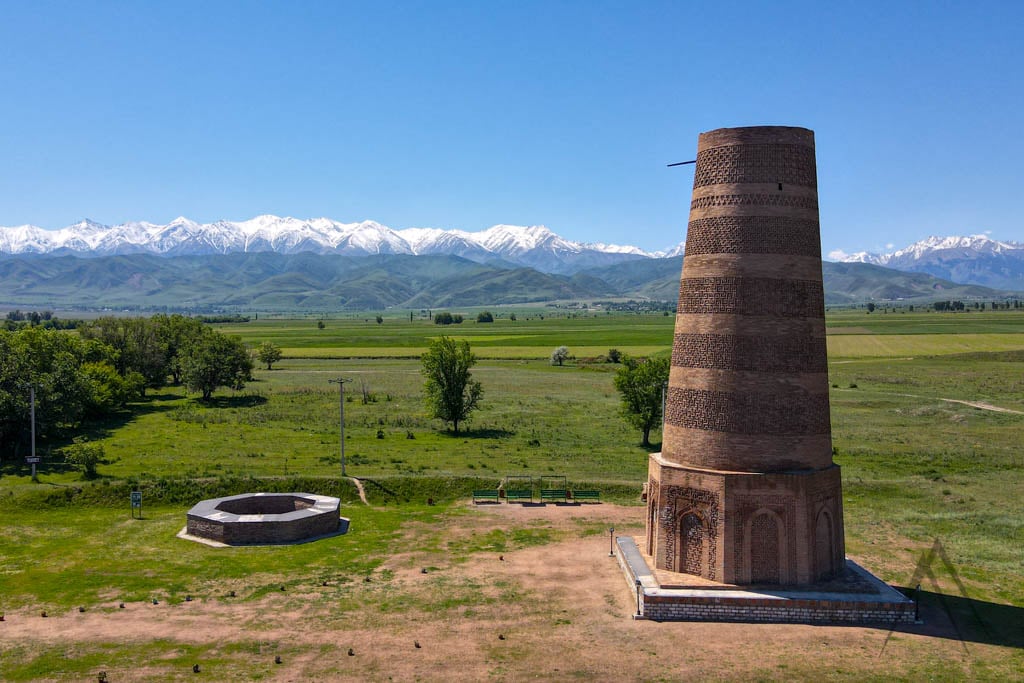
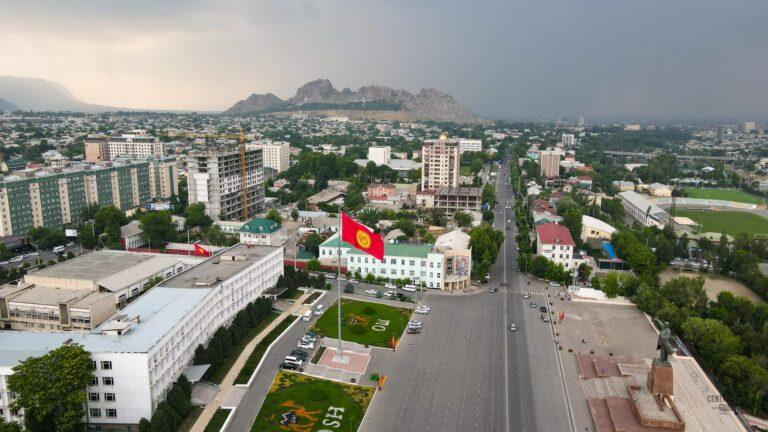
Enjoy a free morning to explore the village and its way of life, then continue to Bishkek (180 km, about 3–4 hours). On the way stop near the town of Tokmok to visit the Burana Tower, an 11th-century minaret on the Great Silk Road. On arrival in Bishkek (800 m) check in at the hotel and set off on a city tour: the central Ala-Too Square, the Parliament building, Oak Park, Victory Square and the oriental Osh Bazaar. Dinner, with an optional folklore show, and overnight at the hotel.
Burana Tower, Bishkek, Ala Too Square, Bishkek Oak Park, Bishkek Victory Square, Osh Bazaar (Bishkek)
- Chon Kemin → Bishkek (180 km)
Overnight: Bishkek (Hotel)
Meals: Breakfast, Lunch, Dinner
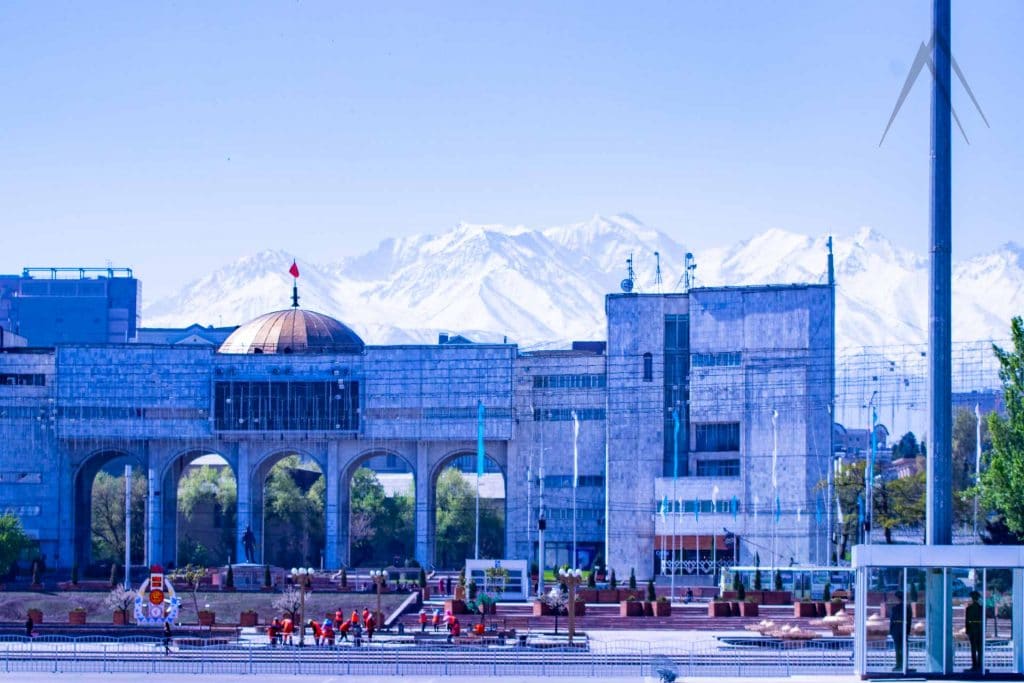
After breakfast transfer to Manas International Airport for your flight home.
- Bishkek → Manas International Airport (30 km)
Meals: Breakfast
Share this tour privately
Travelling alone or as a couple? Join other travellers who want to take this tour privately, or post your own request. The private price per person drops as the group grows.
No open requests for this tour yet. Post the first one and we'll show it here and on the group requests page.
What's included
Included
- ✓Transport in a good-condition air-conditioned vehicle: Delica minivan for 2–3 travelers, Mercedes Sprinter (13 seats) for 4 or more travelers
- ✓Accommodation in double/twin rooms in hotels and guesthouses, 9 nights
- ✓Early check-in at the hotel in Osh on day 1
- ✓Homestays with farmers’ families in the villages near Jalal-Abad, 2–3 people per family (nights 2–5)
- ✓Three meals a day from breakfast on day 1 to dinner on day 9, and breakfast on day 10
- ✓Mineral water during the tour (1 liter per person per day)
- ✓One English-speaking guide for the whole program (groups of up to 5 travelers)
- ✓Entrance tickets to museums and nature parks according to the program
- ✓Felt carpet workshop in Kochkor
- ✓Boorsok baking class in Chon-Kemin
- ✓Fee for the local farmers’ community that finds and trains the host families
Not included
- –Single room supplement (87 USD per person; single rooms only in Osh, Chon-Kemin and Bishkek)
- –Additional English-speaking translators during the farm stay on days 3–5 (260 USD per translator)
- –Horse riding in Chon-Kemin (28 USD per person from 2 riders, 40 USD for a single rider)
- –Kyrgyz-Kochu show in Kochkor (150 USD per group)
- –Folklore show in Bishkek (90 USD per group)
- –Alcohol and soft drinks
- –Visa costs
- –International flights
- –Flight Bishkek – Osh if you start the tour in Bishkek (45–70 USD, subject to change)
- –Porter service at airports and hotels
Nargiza is the office manager of Central Asia Guide and mostly responsible for multi country "Stan" tours.
Where you'll stay
-
Night 1
Osh
Sunrise Hotel or Ethno House or similar
-
Nights 2–5
Jalalabad
Farming family homestay near Jalal-Abad or similar
-
Night 6
Kyzyl-Oi
Guesthouse in Kyzyl-Oi or similar
-
Night 7
Kochkor
Nomad Lodge Hotel or similar
-
Night 8
Chon Kemin
Kemin Guesthouse or similar
-
Night 9
Bishkek
Futuro Hotel or similar
Good to know
- Start in Bishkek: the tour can also start in Bishkek with a domestic flight to Osh (not included, about 45–70 USD).
- Village homestays: on nights 2–5 you stay with farming families who have no tourist-class facilities; in Kyzyl-Oi the family guesthouse is simple, with a shared toilet in the house.
- Hotels: the price is based on a 3* hotel in Bishkek; a higher category is possible on request for an extra charge.
- Time in the countryside: people in the countryside do not always stick to the clock and can be 20–30 minutes late, especially when cooking and serving food or preparing horses, so the day may not run exactly as in the itinerary.
- Photography: people in Kyrgyzstan are very friendly and like to be photographed, but please ask for permission before taking pictures of older people, mosques, churches or funerals, and in the countryside, as people may be offended.
- Children: the program is suitable for children aged 10 and over.
- Changes to the program: weather, earthquakes and other natural events, injuries or medical problems may make it necessary to shorten or skip some activities; this does not give a right to a refund.
What to bring
Pack for warm summer days in the south and cooler evenings in the mountains (up to about 1,800 m):
- Clothing: a warm sweater or down jacket, rain gear, 2–3 pairs of warm socks, gloves
- Footwear: waterproof trekking boots
- Sun protection: sunglasses, sun cream and lip balm with high UV protection
- Medicines: your own first-aid kit with any medication you need
Kyrgyzstan travel information
Practical essentials for travelling in Kyrgyzstan. Open a topic to read more.
Visa policy
Find your country from the list and check possible visa requirements for Kyrgyzstan before booking.
The official currency is the Kyrgyz som (KGS). Bishkek has plenty of ATMs, but outside the larger towns and the northern shore of Issyk-Kul cash is how almost everything is paid.
ATMs and cards
Some ATMs in Bishkek dispense US dollars as well as som. Beyond the capital, ATMs are found in the few largest towns but mostly not in smaller ones, except on the northern shore of Issyk-Kul. Mastercard works in all ATMs, but Visa is still the more widely accepted card. Demirbank's red ATMs have lately been the best option for foreign cards, with moderate fees.
Exchanging money
Exchange offices in the major cities change US dollars, euros and roubles into som. Notes must be clean, fresh and without any signs of wear. Exchange offices prefer larger notes from 50 USD and 50 EUR, and sometimes give a better rate for them.
Paying by card
Cards are accepted in major hotels, restaurants, large supermarkets and some museums in Bishkek and Osh, and occasionally even in taxis. Elsewhere, apart from the northern shore of Issyk-Kul, paying by card is not practical.
Kyrgyzstan is generally safe for travellers and tourism is growing fast, but the usual precautions matter.
Documents
Always carry your passport or a notarised copy. Without proper identification you can be detained by the police.
In towns
- Robberies, some of them violent, and thefts happen especially in crowded places such as the bazaars. Take care after dark.
- Sexual harassment has been reported on public transport. Avoid walking or travelling alone, especially at night.
- Book taxis in advance from established services.
- Stay away from crowds and demonstrations.
- Watch where you step: some streets have large holes and pavements are often uneven.
Laws and customs
- Respect local traditions, customs, laws and religious practices.
- Possessing or using narcotics is strictly prohibited.
- Do not photograph anything related to the armed forces or security services.
- Same-sex relationships are legal but not widely discussed or publicly recognised.
Border areas
Smuggling makes the southern border zones with Uzbekistan and Tajikistan unstable and best avoided.
Kyrgyzstan is visa-free for travellers from many countries. Others can apply for an electronic visa or through an embassy.
Visas
For a tourist visa, most passport holders need an invitation letter from a tourism company. Kyrgyzstan has had an electronic visa system since 1 September 2017.
Border regions
Visiting border regions requires a special permit.
The best times to visit Kyrgyzstan's lower areas are May–June and September. In the high mountains, July and August are best.
Lower areas: May–June and September
In late spring and early autumn the valleys, Issyk-Kul's shores and the towns are green or golden, days are pleasant rather than hot and there are fewer visitors.
High mountains: July and August
This is when the high pastures, yurt camps and mountain passes are open, and trekking and horse-riding routes that are under snow the rest of the year can be reached. Days in the valleys can reach about 30°C, and nights at altitude can still be close to freezing. Summer is also the time of festivals celebrating Kyrgyz traditions.
Winter
Winters in the highlands are long and close the high passes, but it is still a captivating season. Hiking, horse riding and skiing are all possible, and yurt stays are available too.
Healthcare in Kyrgyzstan is basic and medical facilities are scarce, so comprehensive medical and travel insurance is essential.
Medicines
If you rely on regular medication, bring enough for the whole trip: it can be hard or expensive to find locally.
Insurance
Arrange comprehensive medical and travel insurance before you arrive. A serious accident or illness may mean emergency air evacuation to a neighbouring country.
Food and water
Treat tap water and other local water as contaminated and boil it before drinking; bottled water is the safest choice throughout your stay. Be careful with unpasteurised dairy and other animal products.
Vaccinations
Vaccinations against polio and tuberculosis are recommended before entering the country, and others may also be advisable. Ask your doctor or travel clinic.
Similar tours
More tours in Kyrgyzstan.
22 days
Featured
The Best of the Five Stan Tour
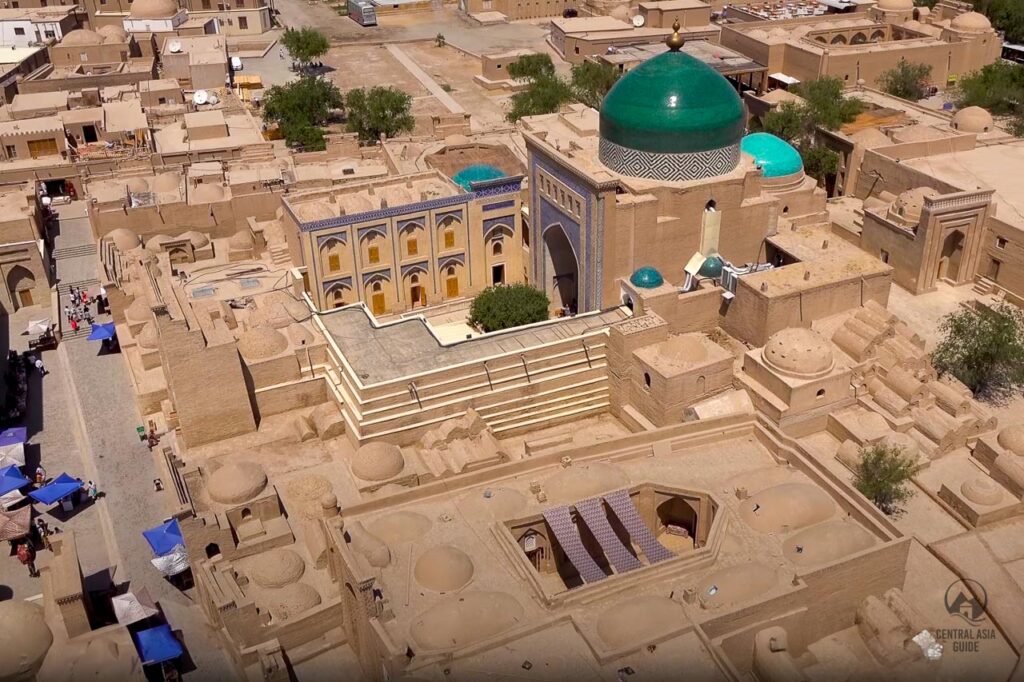
Embark on a 22-day journey through all five countries of Central Asia, beginning in Bishkek and ending in Ashgabat. In…
- Culture
- Multi-country
- +2
Starts in Bishkek Next departure 30/10/2026
18 days
Sale
Four Stan Tour through Central Asia
Discover the legendary Silk Road on this 18-day small-group tour through Kyrgyzstan, Kazakhstan, Tajikistan and…
- Culture
- Multi-country
- +2
Starts in Bishkek Next departure 03/04/2027
15 days
Sale
Five Stans of Central Asia Tour
Start on an extraordinary adventure across the heart of Central Asia with our Five Stan Tour, exploring the unique…
- Culture
- Hiking
- +3
Starts in Ashgabat Next departure 22/12/2026
Tour updated