Four Stan Tour through Central Asia


Accommodation, guides, transport, a flight and the train included. 20% deposit, balance one month before tour starting date.
Tour start date:
Highlighted dates show the full length of the tour, so it's easier to check against flights. Dates within the next 2 weeks aren't available for booking.
No departure dates are available yet - please use "Request this tour" and we'll help you find a date.
Travelers sharing a room - No single supplement.
Traveler in their own room - Includes single supplement
The remaining balance is due 1 month before the tour starting date. You will receive a payment link to your email for the balance payment. In case the tour starting date is less than 1 month from now, only full payment is available.
This is who we'll contact about payment and trip details.
Review your booking summary on the right, then confirm below to pay securely via Stripe.
Four Stan Tour through Central Asia Highlights
Discover the legendary Silk Road on this 18-day small-group tour through Kyrgyzstan, Kazakhstan, Tajikistan and Uzbekistan, from Bishkek to Khiva. The journey showcases the region's cultural treasures, UNESCO World Heritage cities, breathtaking mountain landscapes and vibrant local traditions.
From the shores of Issyk-Kul and the red cliffs of Jeti-Oguz to Almaty, the ancient Tajik cities of Khujand and Istaravshan, the mountain passes on the way to Dushanbe and the blue domes of Samarkand and Bukhara, you experience the very best of the four Stans.
Difficulty: Easy Mostly city sightseeing on foot, plus short walks such as an hour-long walk in Jeti-Oguz Gorge and a stroll in Grigoriev Gorge. The pace is busy: several long road days (including two crossings of the Tajik mountain passes), three land-border crossings, one domestic flight and a morning train.

Guaranteed departures
Every date runs as scheduled. Same price on all departures.
Guaranteed tour dates 2027
| Dates | Days | Price | Book |
|---|---|---|---|
| – Available | Sat – Tue | $3,770 |
|
| – Available | Sat – Tue | $3,770 |
|
| – Available | Sat – Tue | $3,770 |
|
| – Available | Sat – Tue | $3,770 |
|
| – Available | Sat – Tue | $3,770 |
|
| – Available | Sat – Tue | $3,770 |
|
| – Available | Thu – Sun | $3,770 |
|
| – Available | Sat – Tue | $3,770 |
|
| – Available | Sat – Tue | $3,770 |
|
| – Available | Sat – Tue | $3,770 |
|
| – Available | Sat – Tue | $3,770 |
|
| – Available | Sat – Tue | $3,770 |
|
Tour Itinerary
Arrive at any time. Standard hotel check-in is after 14:00; until then, free time on your own. Welcome meeting with the guide and the group at 14:00, with a briefing about the itinerary and travel plan, followed by a city tour of Bishkek. Welcome dinner at a traditional restaurant, where you can taste the national Kyrgyz cuisine. Note: we highly recommend booking an extra night at the hotel, as most flights to Bishkek arrive late at night or early in the morning.
Bishkek
Overnight: Bishkek (Hotel)
Meals: Dinner (Restaurant)
Breakfast at the hotel. Our journey begins with a visit to the Burana Tower, an ancient minaret in the Chuy Valley in the north of Kyrgyzstan. The tower, funerary monuments, earthworks, the remains of a castle and three mausoleums are all that is left of the ancient town of Balasagyn, founded by the Karakhanids at the end of the 9th century. Lunch in Iskra village with a Dungan family – the Dungans are Chinese Muslims whose ancestors fled China – where you taste their national cuisine. Then we continue to Issyk-Kul, the largest lake in Kyrgyzstan and one of the deepest in the world, and drive to the hotel on the lake shore. Our first stop at Issyk-Kul is the open-air petroglyph museum in Cholpon-Ata. Its 42 hectares are dotted with stones, tombs, balbals and petroglyphs dating from the 2nd millennium BC to the 4th century AD. Free time to rest on the beach and swim in the lake.
Burana Tower, Iskra, Cholpon Ata petroglyphs museum, Cholpon Ata
- Bishkek → Cholpon Ata
Overnight: Cholpon Ata (Lakeside resort)
Meals: Breakfast (Hotel), Lunch (Guesthouse)
Breakfast at the hotel. Today we visit the Grigoriev and Semenov gorges, two of the most famous attractions of the Issyk-Kul region. You can go for a walk, enjoy the wild nature around you and spend a pleasant time in this beautiful place. Picnic or lunch at a café on the road. Then we drive on to Karakol, the administrative center of the Issyk-Kul region, and visit: - the Russian Orthodox cathedral - the Dungan mosque Dinner at a local restaurant and overnight at the hotel.
Grigoriev Gorge, Karakol Orthodox cathedral, Karakol Dungan Mosque, Karakol
- Cholpon Ata → Karakol
Overnight: Karakol (Hotel)
Meals: Breakfast (Hotel), Lunch (Picnic), Dinner (Restaurant)
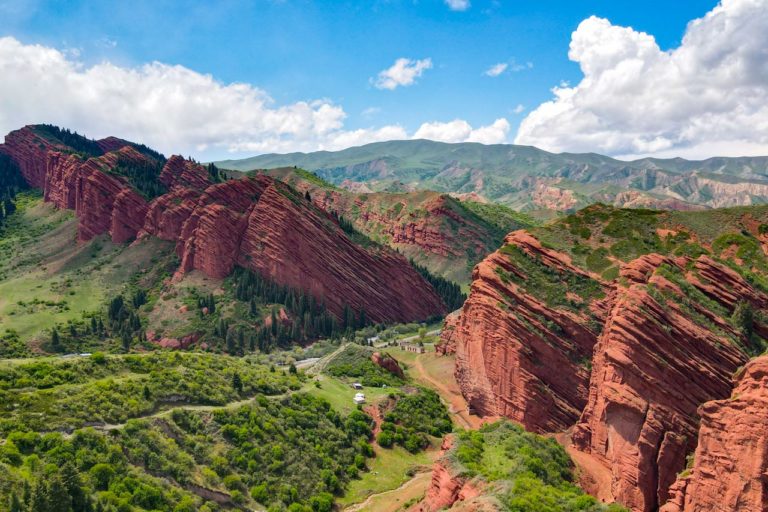
After breakfast, we set off from Karakol toward the breathtaking Jeti-Oguz Gorge, where nature greets us with the striking red cliffs of the famous "Broken Heart". Standing at the entrance to the gorge, this dramatic rock formation sets a romantic and mysterious tone for our visit. We enjoy a leisurely hour-long walk, surrounded by fresh mountain air and sweeping views. Our journey continues to the scenic Barskoon Gorge, celebrated for its cascading waterfalls. Among them, the enchanting "Tears of the Snow Leopard" captures both beauty and legend. Midway through the gorge, we come across a unique monument to Yuri Gagarin, the world's first cosmonaut, standing proudly amid the rugged landscape. In the evening, dinner and overnight at a guesthouse in Tosor.
Jeti Oguz, Barskoon Valley, Tosor
- Karakol → Tosor
Overnight: Tosor (Guesthouse)
Meals: Breakfast (Hotel), Dinner (Guesthouse)
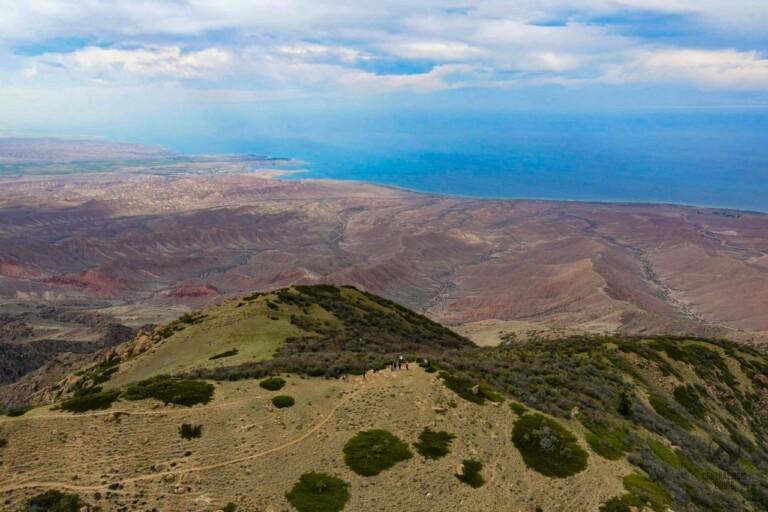
After breakfast, we head towards Kochkor village along the south shore of the lake. On the way we visit Skazka Canyon, whose name means "Fairy Tale". Here you find rock formations of surprising shapes and sizes – a skyscraper or an animal may suddenly appear in front of you. Next, we meet an eagle hunter with his bird near Bokonbaevo. You can admire the alertness and speed of the bird during the hunt – one of the oldest traditions of the Kyrgyz nomads. Lunch at a guesthouse or café. Our next stop is Kyzyl-Tuu village, where a local family reveals the secrets of yurt making, an art passed down from generation to generation. Continue to Kochkor. Dinner and overnight at a guesthouse.
Skazka Canyon, Bokonbaevo, Kochkor
- Tosor → Kochkor
Overnight: Kochkor (Guesthouse)
Meals: Breakfast (Guesthouse), Lunch (Guesthouse), Dinner (Guesthouse)
The morning starts with discovering the rich tradition of felt-making, an art deeply woven into Kyrgyz culture. Guided by skilled local artisans, we take part in a hands-on workshop and craft our own miniature ala-kiyiz – the colorful, patterned felt carpet beloved by nomads for generations. Then we set out for the scenic Chon-Kemin Valley. Take a stroll through the tranquil village, surrounded by sweeping mountain views. Later, enjoy a freshly prepared traditional dinner – a perfect ending to a day of culture and beauty. Overnight at a guesthouse.
Kochkor, Chon Kemin
- Kochkor → Chon Kemin
Overnight: Chon Kemin (Guesthouse)
Meals: Breakfast (Guesthouse), Lunch, Dinner (Guesthouse)
Breakfast at the guesthouse, then departure to the Kyrgyz–Kazakh border. Border crossing (Kyrgyzstan – Kazakhstan): ready for one more stamp in your passport? Grab your bags and get ready to check another country off your bucket list. The goal of the day is Almaty, the former capital of Kazakhstan. On arrival, we set off on a city tour to explore highlights including Independence Square, Zenkov Cathedral, Panfilov Park and the impressive WWII memorial.
Panfilov Park, Zenkov Cathedral (Ascension Cathedral), Almaty
- Chon Kemin → Almaty
Overnight: Almaty (Hotel)
Meals: Breakfast (Guesthouse)
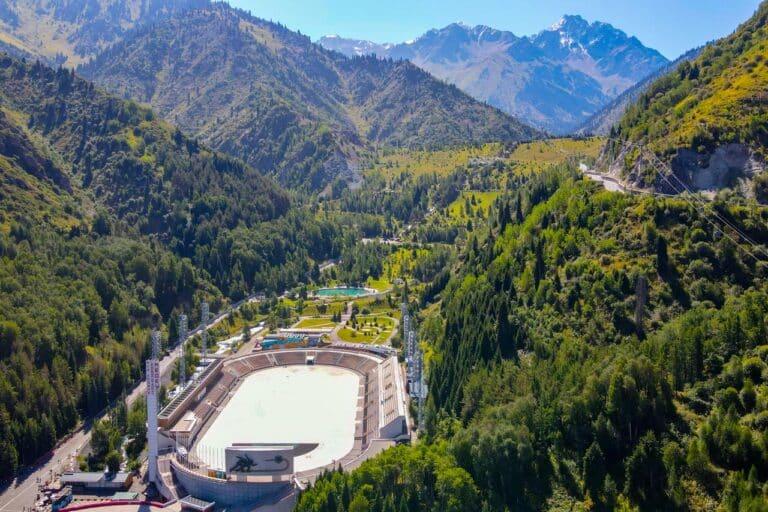
Breakfast at the hotel, then a city tour of Almaty. We visit the Medeu gorge, home of the high-mountain sports complex at an altitude of 1,691 meters – a favorite place for the residents of Almaty on weekends. Afterwards, we go to Kok-Tobe, the highest point of the city, famous for its panoramic views in all directions. We ride up to the Kok-Tobe hill by cable car, which starts near Hotel Kazakhstan and passes over some of the oldest parts of Almaty and its fruit gardens. At the top stands the famous 372-meter TV tower, visible from far away, with great views of the mountains and the city and a few attractions.
Medeu, Kok Tobe Mountain
Overnight: Almaty (Hotel)
Meals: Breakfast (Hotel)
Breakfast at the hotel and flight from Almaty to Tashkent, Uzbekistan – one more stamp in your passport. Sightseeing in the capital of Uzbekistan: - Khast Imam Complex, the spiritual heart of Tashkent (16th–20th century) - Independence Square - Chorsu Bazaar, one of the busiest bazaars in Tashkent - A ride on the metro with its Soviet and modern station designs - Amir Temur Square After the excursion, transfer to the hotel for the overnight.
Hazrati Imam complex, Chorsu Bazaar, Tashkent Independence Square, Amir Temur Square, Tashkent
- Almaty → Tashkent
Overnight: Tashkent (Hotel)
Meals: Breakfast (Hotel)
Breakfast at the hotel and drive to the Uzbek–Tajik border. After the border formalities, we continue to Khujand and spend the day in the city and its surroundings. Khujand is the second-largest city of Tajikistan and its unofficial northern capital. Over the centuries it has had different names: it was Alexandria Eschate in the time of Alexander the Great, Leninabad (city of Lenin) during the Soviet period, and after 1991 the new government returned its old name. Visits: - Khujand city center and the Syr Darya river - Monument to the Kings of Khujand - Timur Malik Museum of Antiquity - Khujand Fortress - Panjshanbe Bazaar, the biggest central market - Mosque and mausoleum of Sheikh Muslihiddin - Arbob Palace of Culture (10 km from Khujand)
Khujand, Khujand Citadel & Historical Museum of Sughd, Panjshanbe Bazaar, Arbob Palace
- Tashkent → Khujand
Overnight: Khujand (Hotel)
Meals: Breakfast (Hotel)
We leave Khujand in the morning and drive towards Dushanbe through the Shakhristan and Anzob passes (tunnels) and along the Varzob gorge. 80 km after Khujand we visit the ancient city of Istaravshan: - the Old Town - Kok-Gumbaz madrasa (16th century) - Mug-Teppa fortress (reconstructed fortress, museum and excavation) - Mug-Teppa hill with a panoramic view of Istaravshan - the local central bazaar - blacksmith workshops where local craftsmen make daggers and knives Arrival in Dushanbe and overnight at the hotel.
Istaravshan, Kok-Gumbaz Madrasa (Istaravshan), Dushanbe
- Khujand → Dushanbe
Overnight: Dushanbe (Hotel)
Meals: Breakfast (Hotel)
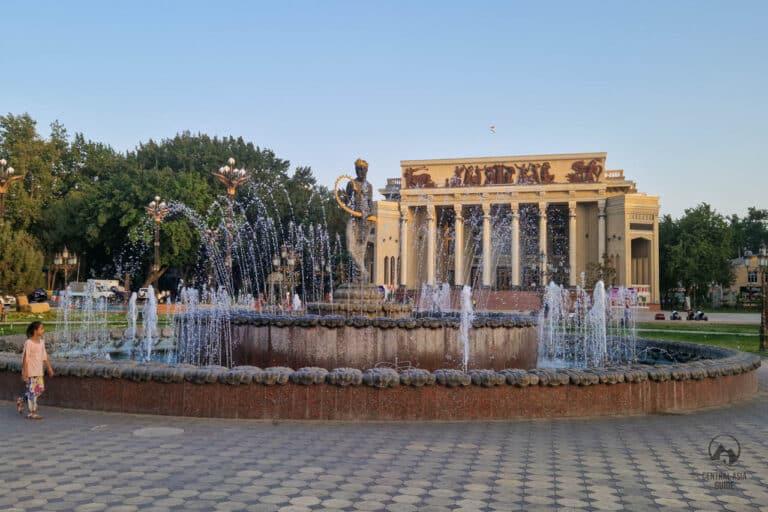
Today we spend the day exploring Dushanbe. Dushanbe ("Monday") is a relatively young city, founded in 1925 on the site of the small village of Dushanbe, known for its large Monday bazaar. During the Soviet period the city was called Stalinabad (1929–1961). Today it is the political, cultural, educational and financial center of Tajikistan. Visits: - National Museum of Tajikistan - the flagpole (165 m) and the Palace of the Nation - Navruz Palace - Hissor fortress and museum (30 km from Dushanbe) - the central bazaar - the city center, Dusti Square and the Ismoil Somoni monument
National Museum of Tajikistan, Navruz Palace (Kokhi Navruz), Hissor, Dushanbe
- Dushanbe → Hissor
- Hissor → Dushanbe
Overnight: Dushanbe (Hotel)
Meals: Breakfast (Hotel)
At 08:30 we leave Dushanbe and travel to Panjakent and the Jartepa border, across mountain valleys, ranges and passes: along the Varzob gorge, through the Anzob pass (tunnel) and down the beautiful Zeravshan valley, with photo stops in the magnificent mountain scenery. Visits in Panjakent: - Museum of Ancient Panjakent - Sarazm excavations (4th–2nd millennium BC), a UNESCO World Heritage Site - Museum of Sarazm Border crossing (Tajikistan – Uzbekistan), then drive to Samarkand and check in at the hotel. Free time.
Ancient Panjakent, Panjakent, Sarazm
- Dushanbe → Samarkand
Overnight: Samarkand (Hotel)
Meals: Breakfast (Hotel)
Breakfast at the hotel. We start the sightseeing in the heart of the old city at the Gur-e-Amir Mausoleum of the Timurid dynasty, built by order of Amir Temur in 1403–1405 and one of the most iconic places for locals. Registan Square with its three madrasahs: - Ulugbek Madrasah (1420), the biggest in Asia at the time - Sher-Dor Madrasah (1636) - Tilla-Kori Madrasah (1646) Lunch break, then: - Bibi-Khanym Mosque, the biggest of its time (1399) - Siyob Bazaar, the oldest still-operating bazaar in Samarkand - Shah-i-Zinda complex
Gur-e Amir Mausoleum, Registan, Bibi-Khanym Mosque and Mausoleum, Siyob Bazaar, Shah i Zinda
Overnight: Samarkand (Hotel)
Meals: Breakfast (Hotel)
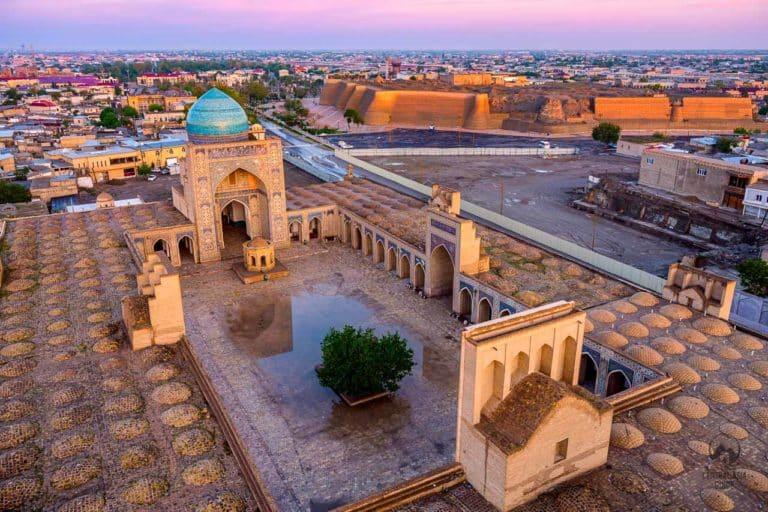
Breakfast at the hotel. Meet our team at 08:50 for the transfer to the railway station and take the 09:53 train to Bukhara, arriving at about 11:42. Sightseeing tour of Bukhara: - Ismail Samani Mausoleum - Chashma-Ayub Mausoleum - Bolo-Khauz Mosque - the Ark Fortress - Poi-Kalyan Complex - Magoki-Attori Mosque - Lyabi-Hauz Complex After the excursion, check-in at the hotel.
Samanids Mausoleum, Chashma-Ayub Mausoleum, Bolo Hauz Complex, Ark of Bukhara, Poi Kalyan, Magoki-Attori Mosque, Lyabi-Hauz Ensemble
- Samarkand → Bukhara
Overnight: Bukhara (Hotel)
Meals: Breakfast (Hotel)
Breakfast at the hotel. At 09:00 we meet at the hotel and set off for Khiva. The journey follows a section of the Great Silk Road that once connected Bukhara and Khiva, across the vast Kyzylkum Desert, the "Red Sands". Along the way you experience the untouched desert landscape with its endless dunes and scattered vegetation, and hear stories about the ancient caravans that passed along this route. We arrive in Khiva around 16:00, where the city's enchanting atmosphere takes you back to a bygone era of trade, culture and spirituality. Check in at the hotel and enjoy some free time to relax or take a leisurely stroll. Overnight at the hotel.
Khiva
- Bukhara → Khiva
Overnight: Khiva (Hotel)
Meals: Breakfast (Hotel)
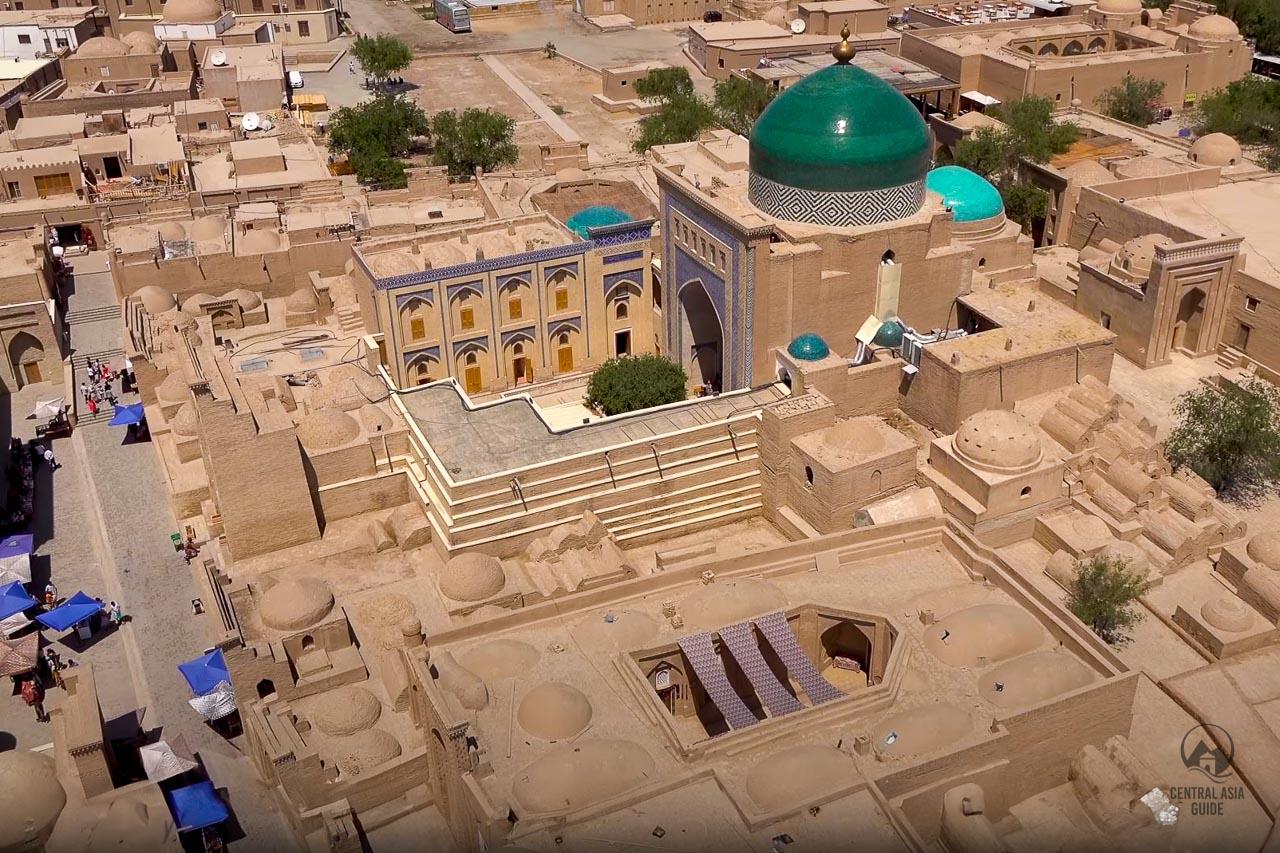
Breakfast at the hotel. Meet your guide at the hotel at 09:00. Ichan-Kala – an open-air museum and UNESCO World Heritage Site. The walled old town, covering 26 hectares, has been turned into a state historical and archaeological museum and preserves the image of an Eastern city with around 60 historic buildings. Kunya-Ark – a fortified citadel in the heart of Khiva, next to the western bastions of Ichan-Kala, just north of the western gate. Muhammad Rakhim-Khan Madrasah (1876) – a brilliant example of the architecture of its era, named after Muhammad Rakhim-Khan of the Kungrat dynasty, which ruled Khiva from 1770. Muhammad Amin-Khan Madrasah (1851–1854) – the largest madrasah in Khiva and Central Asia. Covering 72 x 60 meters, it houses 125 cells (khujras) for 260 students. Kalta-Minor Minaret (1855) – a symbol of Khiva. With a 15-meter base and a height of 29 meters, it reached only a third of its planned height, but its glazed tile decoration captivates every visitor. Juma Mosque (late 18th century) – a unique building without portals, domes or courtyards. Its spacious 55 x 46-meter hall is supported by 215 wooden columns. Tash-Khovli Palace (19th century) – the summer residence of the Khans of Khiva, a synthesis of regional monumental architecture and decorative art. Pakhlavan Makhmud Mausoleum (1701) – with Khiva's only blue dome, the tomb of Pakhlavan Makhmud, a renowned 14th-century poet and warrior. It is a place of prayer where visitors can drink holy water. Islam-Khoja Minaret (20th century) – the tallest minaret in Uzbekistan, 56 meters high with a base diameter of 9.5 meters. After the excursion, enjoy free time for a stroll around Ichan-Kala and some shopping. Overnight at the hotel.
Kunya-ark fortress, Muhammad Rakhim-Khan Madrasah, Madrasahs of Khiva, Kalta Minor Minaret, Juma mosque, Tach Khaouli Palace, Pakhlavan Makhmoud Mausoleum, Islam Khoja Minaret
Overnight: Khiva (Hotel)
Meals: Breakfast (Hotel)
Breakfast at the hotel. Check-out at 12:00. Departure at any time; end of our services. It is possible to continue with a Turkmenistan tour from Khiva.
Meals: Breakfast (Hotel)
Download the itinerary
Tour Price
Group Tour Price
Single room supplement: $810
Optional extras
Pre-tour accommodation in Bishkek (1 night): double/twin room $120, single room $90
What's included
Included
- ✓Small-group tour with an English-speaking guide.
- ✓Private transportation throughout the tour.
- ✓Accommodation as per the program.
- ✓Meals as per the program: 17 breakfasts, 4 lunches and 5 dinners.
- ✓Flight Almaty – Tashkent (economy class).
- ✓Train Samarkand – Bukhara (economy class).
- ✓Visa support letters for Kyrgyzstan, Kazakhstan, Tajikistan and Uzbekistan tourist visas (if required).
Not included
- –Airport transfers: 50 USD per person one way.
- –Extra night in Bishkek: 120 USD per double/twin room, 90 USD per single room.
- –Personal expenses and travel insurance.
- –Visa fees (if required).
- –Services not mentioned as included.
Nargiza is the office manager of Central Asia Guide and mostly responsible for multi country "Stan" tours.
Uzbekistan travel information
Practical essentials for each country on this tour. Open a topic to read more.
Visa policy
Find your country from the list and check possible visa requirements for Kazakhstan, Kyrgyzstan, Tajikistan and Uzbekistan before booking.
The official currency is the Kyrgyz som (KGS). Bishkek has plenty of ATMs, but outside the larger towns and the northern shore of Issyk-Kul cash is how almost everything is paid.
ATMs and cards
Some ATMs in Bishkek dispense US dollars as well as som. Beyond the capital, ATMs are found in the few largest towns but mostly not in smaller ones, except on the northern shore of Issyk-Kul. Mastercard works in all ATMs, but Visa is still the more widely accepted card. Demirbank's red ATMs have lately been the best option for foreign cards, with moderate fees.
Exchanging money
Exchange offices in the major cities change US dollars, euros and roubles into som. Notes must be clean, fresh and without any signs of wear. Exchange offices prefer larger notes from 50 USD and 50 EUR, and sometimes give a better rate for them.
Paying by card
Cards are accepted in major hotels, restaurants, large supermarkets and some museums in Bishkek and Osh, and occasionally even in taxis. Elsewhere, apart from the northern shore of Issyk-Kul, paying by card is not practical.
Kyrgyzstan is generally safe for travellers and tourism is growing fast, but the usual precautions matter.
Documents
Always carry your passport or a notarised copy. Without proper identification you can be detained by the police.
In towns
- Robberies, some of them violent, and thefts happen especially in crowded places such as the bazaars. Take care after dark.
- Sexual harassment has been reported on public transport. Avoid walking or travelling alone, especially at night.
- Book taxis in advance from established services.
- Stay away from crowds and demonstrations.
- Watch where you step: some streets have large holes and pavements are often uneven.
Laws and customs
- Respect local traditions, customs, laws and religious practices.
- Possessing or using narcotics is strictly prohibited.
- Do not photograph anything related to the armed forces or security services.
- Same-sex relationships are legal but not widely discussed or publicly recognised.
Border areas
Smuggling makes the southern border zones with Uzbekistan and Tajikistan unstable and best avoided.
Kyrgyzstan is visa-free for travellers from many countries. Others can apply for an electronic visa or through an embassy.
Visas
For a tourist visa, most passport holders need an invitation letter from a tourism company. Kyrgyzstan has had an electronic visa system since 1 September 2017.
Border regions
Visiting border regions requires a special permit.
The best times to visit Kyrgyzstan's lower areas are May–June and September. In the high mountains, July and August are best.
Lower areas: May–June and September
In late spring and early autumn the valleys, Issyk-Kul's shores and the towns are green or golden, days are pleasant rather than hot and there are fewer visitors.
High mountains: July and August
This is when the high pastures, yurt camps and mountain passes are open, and trekking and horse-riding routes that are under snow the rest of the year can be reached. Days in the valleys can reach about 30°C, and nights at altitude can still be close to freezing. Summer is also the time of festivals celebrating Kyrgyz traditions.
Winter
Winters in the highlands are long and close the high passes, but it is still a captivating season. Hiking, horse riding and skiing are all possible, and yurt stays are available too.
Healthcare in Kyrgyzstan is basic and medical facilities are scarce, so comprehensive medical and travel insurance is essential.
Medicines
If you rely on regular medication, bring enough for the whole trip: it can be hard or expensive to find locally.
Insurance
Arrange comprehensive medical and travel insurance before you arrive. A serious accident or illness may mean emergency air evacuation to a neighbouring country.
Food and water
Treat tap water and other local water as contaminated and boil it before drinking; bottled water is the safest choice throughout your stay. Be careful with unpasteurised dairy and other animal products.
Vaccinations
Vaccinations against polio and tuberculosis are recommended before entering the country, and others may also be advisable. Ask your doctor or travel clinic.
The official currency is the tenge (KZT), and Kazakhstan has the most advanced banking system in the region.
ATMs and exchange
ATMs are widespread in the major cities, in banks, hotels and shopping centres, but most dispense only tenge. Every city has exchange offices for US dollars, euros, roubles, pounds, Chinese yuan and Kyrgyz som, and changing dollars or euros into tenge is easy at banks and exchange offices.
Paying by card
International cards are accepted in most hotels, restaurants and large supermarkets. Smaller shops usually take cash only and often have little change, so carry smaller notes.
The security situation is stable, but it can change. A few precautions go a long way.
Documents
Always carry original identification such as your passport, as police patrols may ask for it. When approached by a police officer, driver or official, ask to see their identification.
Crime and scams
- Petty crime such as pickpocketing, bag theft and car break-ins is common. Keep valuables out of sight and be vigilant, especially at night.
- Never leave food or drinks unattended or with strangers.
- Be careful of online scams.
- Stay away from demonstrations and political gatherings, and leave the area if there is unrest nearby.
Getting around
- Avoid walking alone and arrange transport in advance. Do not use unofficial taxis.
- On trains, keep your passport and travel documents safe and lock the compartment, especially on night trains.
- Roads are well maintained in and around the major cities, but rural roads may be in poor condition.
Laws and customs
- Smoking, including e-cigarettes, is banned near schools, playgrounds and medical facilities, in public places such as museums, public transport, airports, stations and underpasses, and in cars carrying children.
- Possessing or using illegal drugs can lead to a long prison sentence.
- Photography is restricted near military sites, border areas, airports and some official buildings. Avoid sharing images that could be seen as disrespectful to religion, culture or national symbols.
- Same-sex relationships are not illegal, but tolerance varies, especially outside the major cities.
Kazakhstan's visa rules depend on your passport. Check whether you need a visa for your visit.
Passport
If you enter visa-free, your passport only needs to be valid for the length of your stay. With a visa, it must be valid for six months beyond the end of your stay.
Visas and registration
For a tourist visa from an embassy or an electronic visa, you first need a letter of invitation (LOI). You may need to register after arriving in the country.
The best times to visit Kazakhstan are spring (April to June) and autumn (September to November), avoiding the hot summers and snowy winters.
Summer and winter
Kazakhstan has a harsh continental climate, at its most extreme in the central steppe and around the capital, Astana. Temperatures can rise above 40°C in June to August and drop to −20°C in December to February.
Before you travel, make sure the places you are going can provide any medical help you might need, and that your travel insurance covers treatment and unexpected medical evacuation.
Medical care
Medical staff often speak little English.
Medicines
Non-prescription medicines are easy to buy. For prescription medicines you need a prescription from a local doctor, or a foreign prescription translated into Kazakh or Russian.
The local currency is the Uzbek sum. Uzbekistan is still mostly a cash economy, but money is easy to exchange and ATMs are common in the larger cities.
Exchanging money
Banks exchange US dollars, euros, British pounds and Japanese yen. There are exchange offices in major cities such as Bukhara and Khiva and at Tashkent airport; elsewhere you need a bank, which often gives a better rate anyway. Your notes must be in pristine condition. Sum is hard to exchange outside Uzbekistan, but you can change it back to US dollars at a local bank.
Cards and ATMs
Cards are accepted in upscale hotels and restaurants in Tashkent and the main tourist cities, with Visa more widely recognised than Mastercard and a standard 3% commission. ATMs dispense sum and are easy to find in the larger cities; many also offer US dollars.
Uzbekistan is generally a safe destination, with little religious extremism and few crimes against foreigners.
Documents
Always carry your passport: it is a legal requirement, and police carry out routine checks.
Getting around
- Use licensed taxis. Local taxi apps are the easiest way to get a ride at local prices, and Yandex works very well in Tashkent and Samarkand. If you take a taxi on the street or at the airport, agree the price first.
- Many roads outside Tashkent, especially in the Tian Shan and Fan mountains, are in poor condition. Driving standards are generally low, and rural roads are often unlit, so night driving is riskier.
- On night trains, keep valuables safe, do not leave belongings unattended and lock the compartment door from the inside.
- Watch your belongings as you would anywhere, and avoid demonstrations and large gatherings.
Laws and customs
- Possessing narcotics is strictly illegal.
- Same-sex relationships are illegal and still socially condemned. Avoid public displays of affection.
- Drones are in practice banned. Permits can be applied for but are very rarely granted.
Photography
Be discreet near government buildings such as the Palace of Forums in Tashkent, and sometimes at local markets that see few tourists. Restrictions have eased, but check before photographing near airports, border checkpoints, military sites, bridges and police stations.
Earthquakes
Uzbekistan is prone to earthquakes, mostly tremors, though stronger ones occasionally occur.
Entering Uzbekistan is straightforward when your documents are in order. Citizens of many countries can visit visa-free, and for many others a visa is easy to get without an invitation.
Registration
Registration rules are stricter than elsewhere in Central Asia: by law you must be registered within 3 days of arrival. Hotels usually do this for you, but register yourself if you stay longer than 3 days in, for example, a rented apartment. Border officers check the registrations when you leave and may ask for the paper slips, so keep them until you exit the country.
Customs
Exporting handcrafted items older than 50 years is prohibited. At land borders, customs officers may check your phone and photos for explicit or confidential material, though this has become very rare.
The best times to visit Uzbekistan are spring (March to May) and autumn (September to November), between the summer heat and the winter cold.
Summer
At the height of summer the land dries out, especially in the countryside, and temperatures rise well above 30°C, often up to 40°C.
Winter
From November to March it can get cold, sometimes below zero, but the skies are mostly clear and bright. Snow is occasional and usually melts within a day or two.
Medical services in Uzbekistan have improved in recent years but are still limited, so good travel insurance that includes evacuation is essential.
Food and water
To avoid traveller's diarrhoea, drink only bottled, filtered or boiled water, and do not use tap water for brushing your teeth or for ice. Choose meat and fish that are thoroughly cooked and served hot.
Medical care
Uzbekistan has a state healthcare system and a small private sector. Larger clinics serve the cities and regional hospitals the countryside. Hospitals usually ask for payment in cash up front, even if you are insured, and serious cases may need evacuation home. Contact your insurer straight away if you need urgent care, and check before you leave what your insurance covers in Uzbekistan.
Medicines
Pharmacies are private, and the range of medicines can be limited. Prescriptions generally require a doctor's consultation. If you travel with medication, check the rules with the embassy, a consulate or Uzbekistan's Ministry of Health.
The official currency is the somoni (TJS). US dollars are accepted in some places, but the somoni is what you use day to day.
ATMs
Withdrawing cash can be difficult, so carry some cash with you. There are ATMs in Dushanbe, Panjakent, Khujand, Khorog, Isfara, Istaravshan and Bokhtar (Kurgan-Tube), and even in smaller towns, but not in Murghab. Eskhata Bank in Dushanbe is a reliable choice for US dollars and has a generous limit for somoni withdrawals. ATMs may be harder to find at weekends, and ATMs that take Mastercard can be tricky to find.
Exchanging money
US dollars and euros are widely accepted, though in rural areas without exchange offices people often prefer dollars. Changing money on the black market is illegal.
The overall security situation is generally stable and Dushanbe is relatively safe, though robbery and petty crime occasionally happen, and foreigners can be targets.
Documents
Always carry a copy of your passport's photo page, as the authorities may ask for identification.
Staying safe
- Avoid demonstrations and large gatherings, and stay alert in public places.
- Do not leave drinks unattended, decline drinks from strangers and keep an eye on how much you drink.
- If you are followed or harassed at the airport, report it right away to your tour agent or the consular office at the airport.
- Women travelling alone may face unwanted attention or harassment.
Laws and customs
- Respect local traditions, customs, laws and religions.
- Smoking while walking in the street is prohibited.
- Possessing or using drugs is strictly illegal.
- Photographing anything related to the military or security services can cause trouble with the authorities.
- Same-sex relationships are not illegal, but local views are conservative and tolerance varies, especially outside the major cities.
Roads and services
- Vehicles are often poorly maintained and driving standards are basic. Fuel stations are rare outside the cities and emergency services may not be available, so bring what you need and expect delays.
- Roads outside the major cities are poor and some are passable only by four-wheel drive. Spring is especially hazardous because of avalanches and landslides.
- Energy and water shortages and power cuts are common, especially in winter and spring and mostly outside Dushanbe.
Border areas and nature
- Avoid the border area with Afghanistan because of the unstable security situation there.
- Kyrgyzstan and Tajikistan signed a border treaty in 2025 after the clashes of 2022, and the northern Sughd region, including Khujand, is safe to visit.
- Tajikistan is prone to earthquakes, avalanches, landslides and floods.
Visitors from many countries can travel to Tajikistan visa-free. Leave the country before your visa or visa-free stay runs out, to avoid fines and having to get an exit visa.
Pamirs (GBAO) permit
A permit is required to visit the Gorno-Badakhshan Autonomous Region (GBAO).
Borders and customs
Tajikistan's borders can close at short notice. Declare large amounts of money on arrival, and show the customs declaration when you leave.
The best months to explore Tajikistan are April, May, June, September and October. September may be the very best: the heat on the plains has eased and nearly all mountain passes are still open.
Autumn
In September the markets are full of fresh produce and the landscape turns golden.
The Pamirs
The best time to visit the Pamirs is August.
Summer and winter
Summers are dry and very hot, up to 40°C in the lowlands. Winters can be extremely cold, down to −20°C in the mountains, and heavy snow in the west can disrupt winter routes and close the high passes.
Medical facilities in Tajikistan are limited and essential medicines are often in short supply. Outside Dushanbe facilities are basic, and some areas have almost none.
Insurance
Before you go, check that your destination can provide any medical help you might need, and make sure your travel insurance covers treatment and unexpected medical evacuation. If you are sent to a medical facility, contact your insurer straight away.
Medicines
Some medicines containing codeine are strictly prohibited. Check that any medication you bring is legal, and declare all medicines and other restricted items on arrival.
Vaccinations and risks
Ticks are common in forests and rural areas from spring to autumn. Improperly disposed uranium and pesticides in the northern Sughd region are a possible health hazard. At a minimum, get vaccinated against hepatitis A and B and tetanus before your trip.
Similar tours
Other multi-country tours in Central Asia you might like.
 15 days
Sale
15 days
Sale

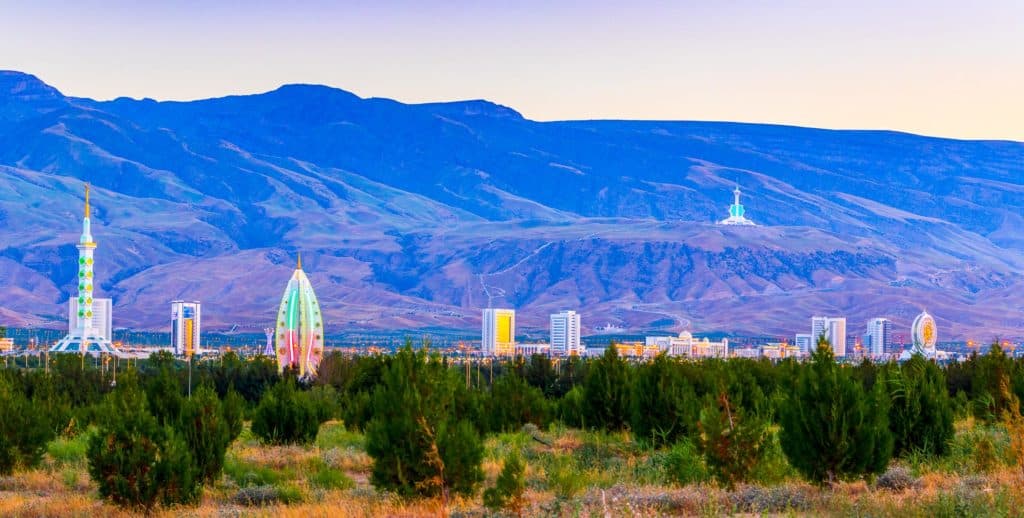
Five Stans of Central Asia Tour
Start on an extraordinary adventure across the heart of Central Asia with our Five Stan Tour, exploring the unique…
- Culture
- Hiking
- +3
Starts in Ashgabat Next departure 22/12/2026
 22 days
Featured
22 days
Featured
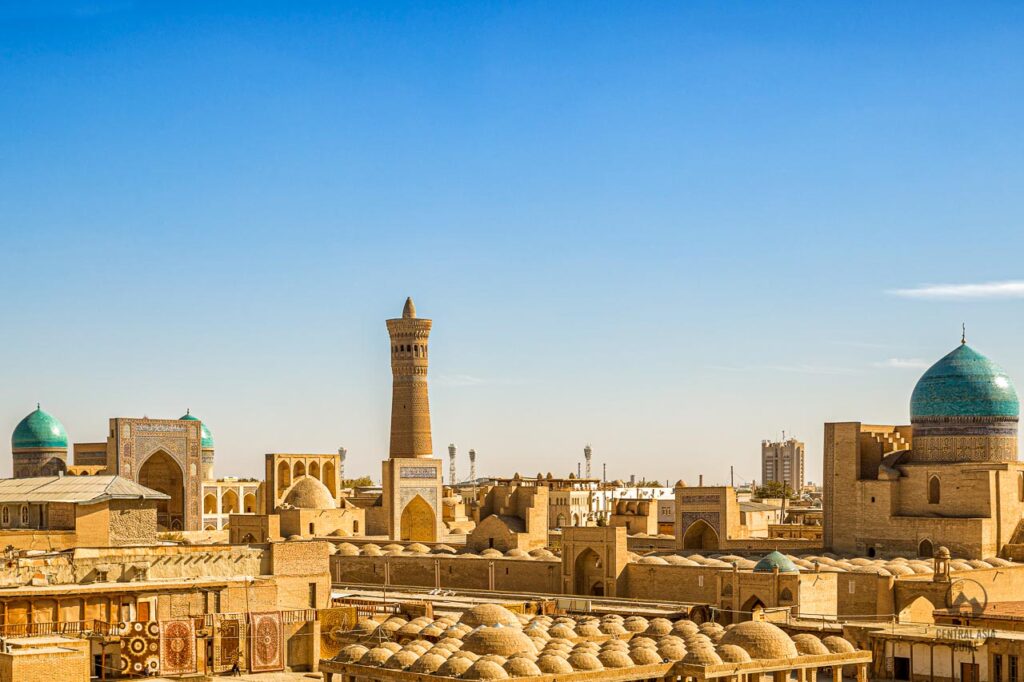
The Best of the Five Stan Tour
Embark on a 22-day journey through all five countries of Central Asia, beginning in Bishkek and ending in Ashgabat. In…
- Culture
- Multi-country
- +2
Starts in Bishkek Next departure 30/10/2026
 7 days
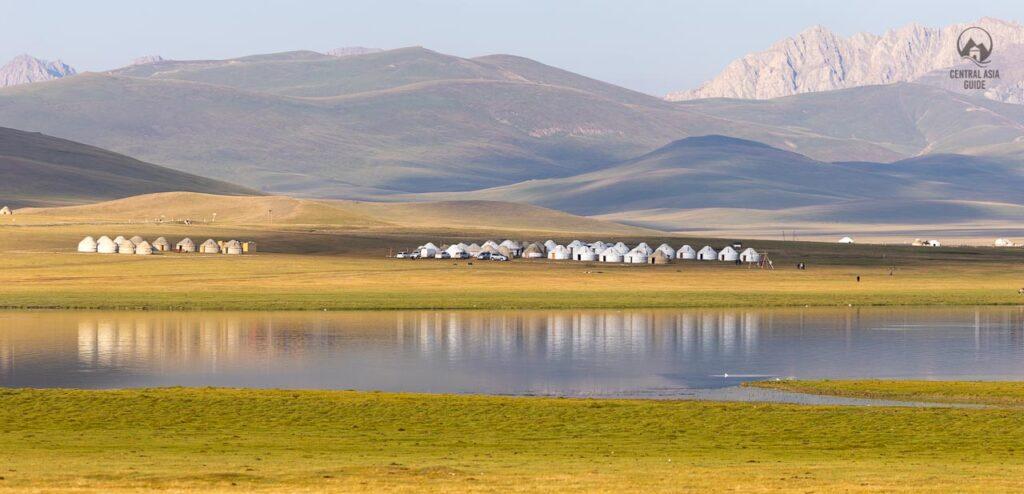
Kazakhstan and Kyrgyzstan Tour with Mountain lakes and Issyk Kul
This unforgettable 7-day journey takes you through the most spectacular landscapes of Kazakhstan and Kyrgyzstan – from…
- Culture
- Hiking
- +3
Starts in Almaty Private departures on request
Tour updated