
Jalal-Abad
Jalal-abad city (Manas)
You might assume that Jalalabad is a city in Afghanistan or India but there was one with the same name in Kyrgyzstan as well. Officially the city has been renamed Manas, according to the National epic, in 2025. Most still now the city by its own name. The city lies at the most Southern corner of the Jalalabad region by the Kogart River in the edge of the Fergana Valley very close to the Uzbekistan border.
Jalal-Abad is located 40 km North-East from Osh and about 400 km southwest from Bishkek, but the road connections are far from straight with the mountains and borders meaning the that the distance by roads is a lot longer. The third-largest city in the Kyrgyz republic is the administrative center of the Jalal-Abad region. The city’s earlier name was from a 13-century warrior, “Jalal ad-Din” who founded Caravansarai (Jalal-Abad) to host merchants and pilgrims passing through the village. Current Jalalabad (or Manas) has retained almost nothing from its past.

Jalal-Abad was earlier along one of the main routes of the Great Silk Road where merchants, pilgrims and travelers passed by. Some signs of the history have remained until today, like Saimalu Tash petroglyphs, which are located east of the city though not very close to it.
In 1870 Russians moved to Jalal-Abad where they soon set a blockhouse town and a military hospital. With their arrival villages started to have Slavic names and for example Cossack settlements turned to Arkhangelskoe and Podgornoe.
Jalal-Abad grew into a farming town producing cotton, walnuts, fruits, vegetables, silkworms, tobacco and wheat. The first railway in the region was built in 1916 from Jalal-Abad to Andijan. The railway was called the “cotton railway” that transferred goods between Fergana valley and Russia. The railway is still functional but only for cargo purposes at the moment.
There are stories telling about people visiting the Jalalabad hot springs already in the ancient times in the same location as they still exist. As soon as the Soviets set their power in the region, the health resorts were rapidly constructed at the Jalal-Abad springs.
During the Soviet Union blooming days, Jalal-Abad was a popular resort city where people gathered to bathe in the minerals and mud springs. The sanatorium still exists about 3 km Northwest from Jalal-Abad city center but still inside the city area, on top of a green hill with lots of pistachio trees. Even today the city is popular with Soviet sanatoriums where elderly people from other regions come to seek cure for their ailments.
Due to the geographical location and closeness to the Fergana Valley, the city indicates a mixed population where two-thirds of the population are ethnic Uzbeks. You may notice how locals in the northern part of Kyrgyzstan may refer to the Jalalabad and Osh regions as “the southern part of the country” as the region differs from the northern regions culturally, religiously as well as linguistically due to the influence of the Fergana valley neighbors Uzbekistan and Tajikistan.
What to do in Jalalabad?
Explore Jalalabad
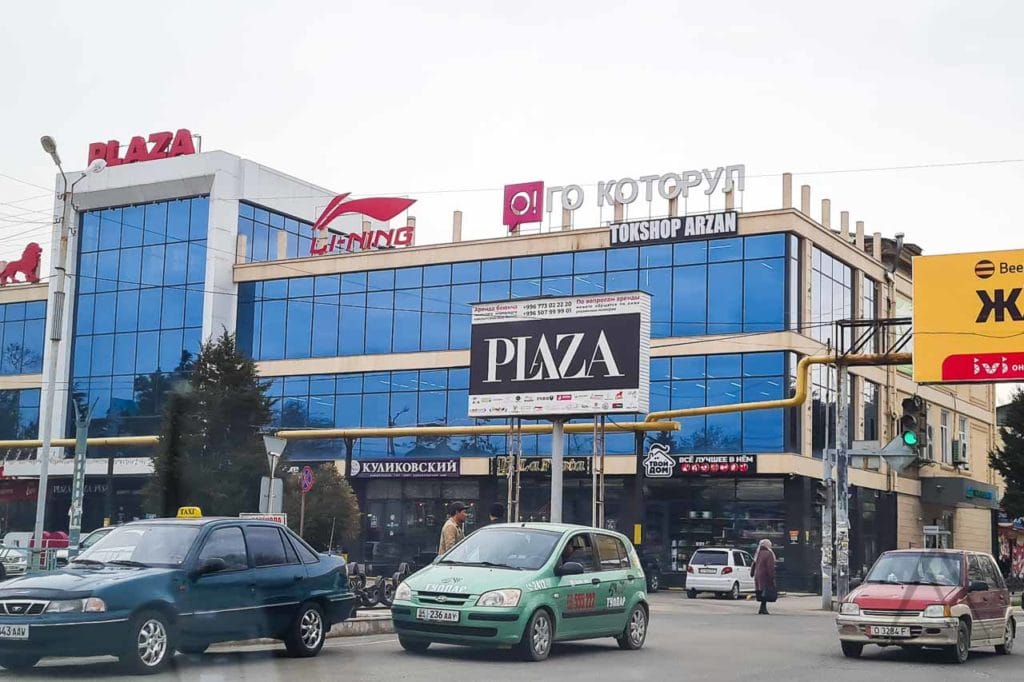
Like any other city in the former Soviet the main street is named after Lenin and surely the statute of him is located not far. In Jalal-Abad Lenin monument is at the very center of the town and by the main road. Other place to visit is the colorful local Bazar located in the middle of the city. It is a great place to try the famous southern, huge, juicy samsy filled with meat or local lepeshka sprayed with sesame seeds that come straight from the stone oven. Walking around the city you can check out local cafes and watch young people gathering and chatting. In general the third largest city of Kyrgyzstan is quite generic and there is not that much to see, except for the normal town life of the local people.

Relax in Jalal-Abad Sanatorium
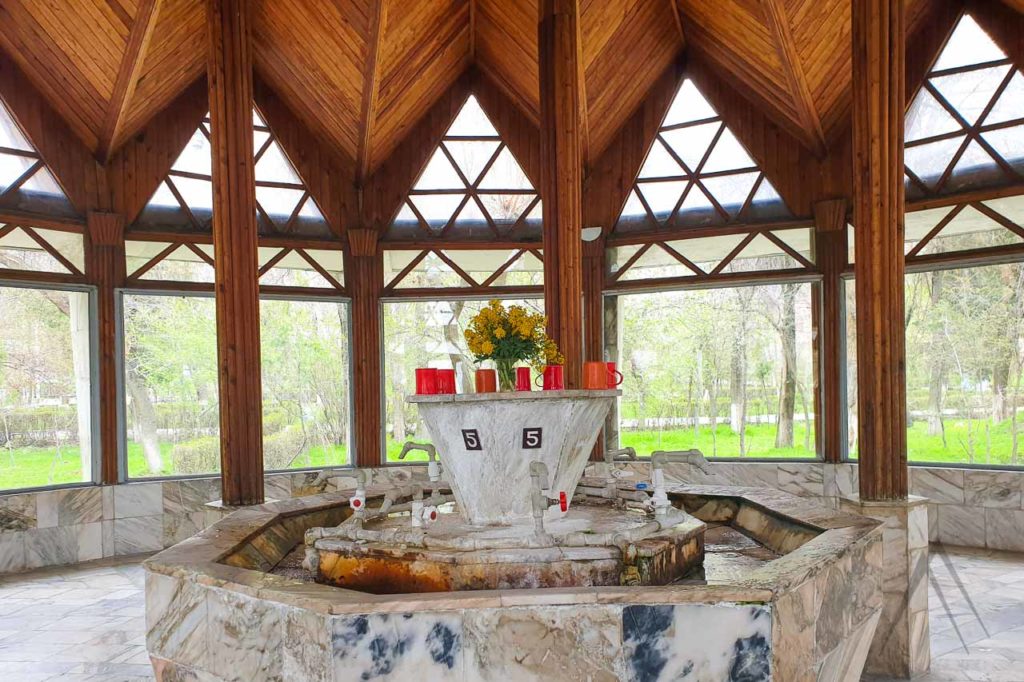
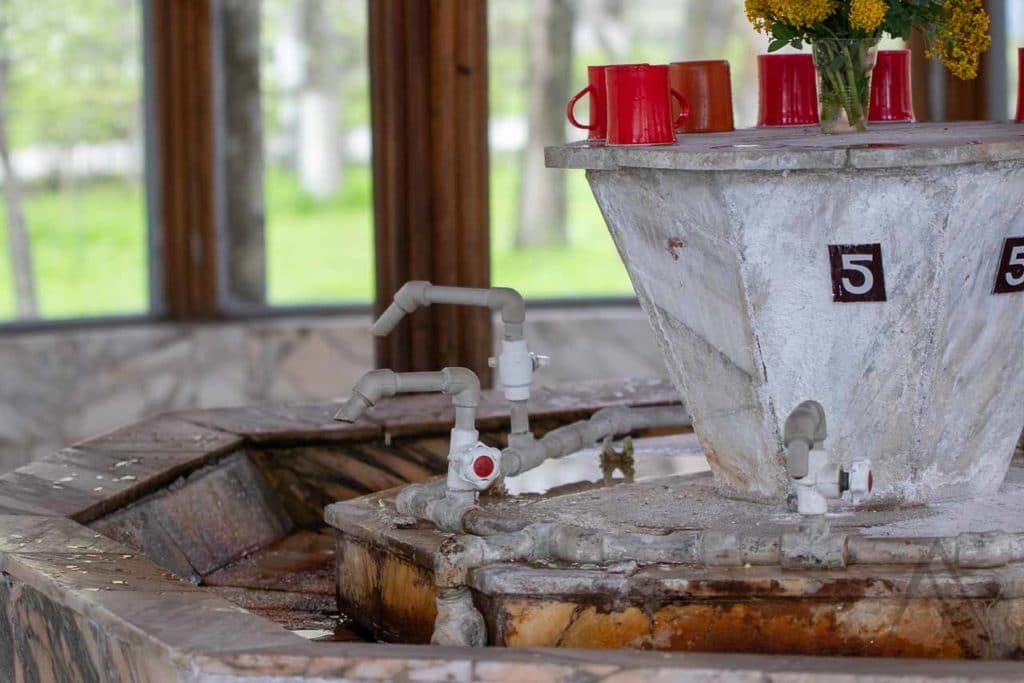
Jalal-Abad has long been famous for its healing springs – thermal and radon waters. There are about 150 mineral springs near the city and its neighborhoods. Jalal-Abad sanatorium is located 3 km from the city center that was considered an all-union health resort in the Soviet time.
Thousands of tourists from all over the USSR came to the resort with gynecological, skin and gastrointestinal diseases. Today sanatorium still operates and you may check out as well. The condition of the sanatorium does not really meet the western standards but if you are seeking the true Soviet experience you should definitely go for it.
Jalalabad Central Bazar
Like all Kyrgyz major cities, Jalal-Abad has its own bazar but here the atmosphere and products are a bit difeferent due to the blend of the nomadic Kyrgyz and settled Uzbek cultures. The Central Bazaar, or main market is filled with people of both ethnicities and you can see this reflected in the foods and products offered. The market lanes are filled with the region’s famous dried fruits and nuts, fresh fruit and vegetables, freshly baked hot tandyr bread, kymys and other national drinks straight from nearby pastures, local snacks, and thousands of other items.
Jalalabad Railroad Station
Jalalabad City Museum at the eastern end of Lenin Street is filled with exhibitions about Kyrgyz culture and lifestyle, including historical artifacts from the first settlements dating back to 2nd century BC and the later times when the city was an important stop along the Silk Road. The museum is a worthwhile stop not only learn more about the city and the region’s rich history, but also to understand modern-day traditions and culture. The museum is free to enter, but there is a donation box to help pay for its upkeep and its exhibitions. All information is only available in Kyrgyz and Russian languages, so it’s best to visit with a guide.
Jalalabad Railroad Station
Although the trains don’t currently run through Jalal-Abad you can still enjoy the city’s railroad station and the different small local shops and traders located there. This historical railroad station was built in 1915, renovated in 1986 and was part of the rail network that connected Andijan to Kara-Suu and Jalal-Abad. It is here where in 1920 the Soviet state figure Mikhail Frunze sent an urgent telegram to Vladimir Lenin. The telegram was about the fight with basmachi (local religious movement) in the Fergana Valley and unoccupied Belogvardeisy (White Guards). The Railroad Station (Vokzal) is in the south-eastern corner of the city.
Jalalabad Saturday Animal Market
To see the authentic local culture, visit the Saturday animal market just outside the city. In the early hours of the Saturday morning, huge herds of cows, horses, sheep and goats begin to flow into the market from different villages across the region. In addition to the scene of a huge number of animals all in one place, the trading process is worth observing as it features its own culture and code with dramatic discussions and negotiations between traders and farmers. Be sure to arrive early for the best action. The animal market is located north of the city across the Kugart River.
Around Jalal-Abad
Shah Fazil Medieval Mausoleum
The medieval mausoleum of Shah Fazil is another significant destination to visit in Kyrgyz Fergana valley. You will find it 220 kilometers west of Jalal-Abad in the ancient village of Safed-Bulan, but you need to cross through Uzbekistan in order to reach it unless you travel there through Talas the long long way.
Shah Fazil is a historical and architectural complex, a monument of the XI century, which is commonly called the “Muslim shrine of the Ferghana Valley.” The 15,5-meter-high brick domed portal structure is on the tentative UNESCO World Heritage List. Visiting the mausoleum will not take much time, so you can take a walk in the quiet village and go to the local tea house to dine on pilaf.
Travel to Jalalabad
There are two ways to get to Jalal-Abad from Bishkek. The first and the main road is the Osh-Bishkek highway which goes through Suusamyr valley, Chychkan gorge and Toktogul Reservoir and is about 580 km and takes about 9 hours.
The second road option to/from Jalalabad takes you through Toguz Toro pass and Kazarman and is open only from May till September. It is also a bit longer and in poor shape but you can enjoy very different scenery on the way and to see more remote areas of Kyrgyzstan that are rarely visited by tourists. The road is closed during the wintertime and takes at least 12 hours.
The inter-regional taxi goes to other cities and villages from the Jalal-Abad region for instance to Kara-Kul to Mailuu-Suu. The fare varies depending on the distance, from 300 to 800 soms. Jalalabad is also connected with marshrutka lines and shared taxi connections to Uzbek towns and cities in the Ferghana valley, like Andijan, Kokand, Fergana and Namangan. The fastest way to get to Jalal-Abad from Osh is through Uzbekistan but make sure that you have valid visas and/or permissions according to citizenship for that option. In 2019 Uzbekistan granted visa freedom for many Western nationals and it is now a lot easier to enter the country but not all the borders are open for third country citizens.
Marshrutka
There are marshrutkas going to Jalal-Abad from Bishkek that leave from the West bus station which is situated at the Northern side of Osh bazar. It will cost you about 900-1200 som to Jalal-Abad. You can even take marshrutkas going to Osh and negotiate about the price since Jalal-Abad is located along the Osh-Bishkek highway. By marshrutka, relatively will be slower rather than shared taxis. because it might stop on the villages to pick or drop the passengers.
Taxi
By taxi, you will reach in 8-9 hours from Bishkek and it will cost approximately 1500 som. You may get a taxi near the West bus stop or next to the Osh Bazar. Usually, drivers loudly shout out for customers and when the car has been filled up (normally a four- or six-seater taxi), they depart. You can also travel to/from Jalal-Abad easily within the Ferghana valley through the numerous customs between Uzbekistan, Tajikistan and Kyrgyzstan.
Plane
By plane, it will take an hour to reach Jalal-Abad from Bishkek and will cost about 2,500 – 3,500 som. Another option is to fly to Osh and drive 2h to Jalal-Abad. However, you need to get to Manas International Airport which is located 23 kilometers Northwest of the capital at least two hours before departure. Nevertheless flying between Jalal-Abad and Bishkek is the fastest and easiest way but you will miss many of the sights in between the cities. Regular flights on this route are carried out on Wednesdays, Fridays and Sundays.
Jalalabad region destinations
Page updated 23.11.2025