
9 days Pamir Highway tour

Accommodation, guides, transport included.
9 days Pamir Highway tour Highlights
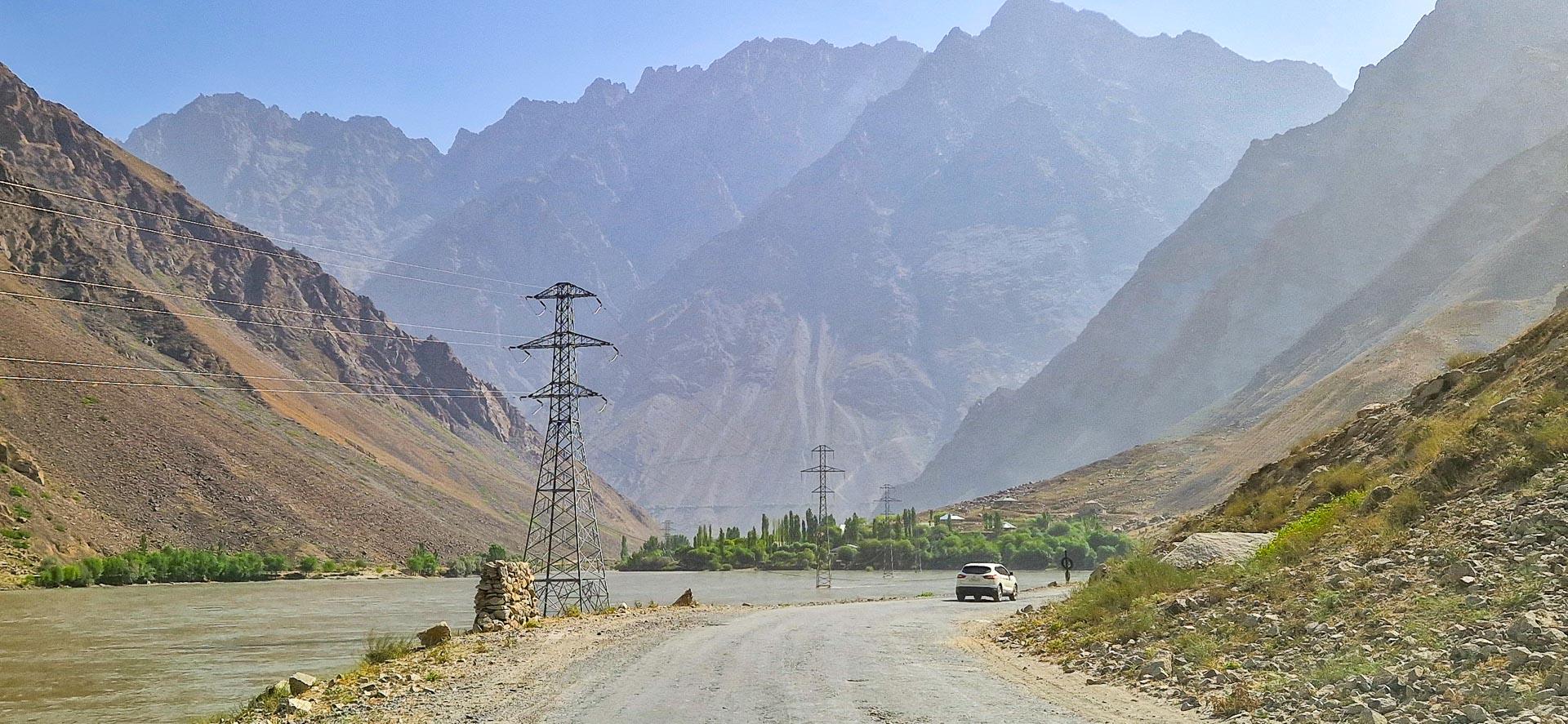
This 9-day private 4x4 tour from Dushanbe follows the legendary Pamir Highway deep into the Pamir Mountains of the Gorno-Badakhshan region. From Kalai-Khumb the road runs along the gorges of the Panj River, with Afghan villages just across the water, to Khorog, the small capital of the Pamirs. Next comes the famous Wakhan Valley facing the Hindu Kush, with the ancient fortresses of Kah-Kaha and Yamchun (3rd–1st century BC), the Garm-Chashma and Bibi Fatima hot springs and the petroglyphs of Langar.
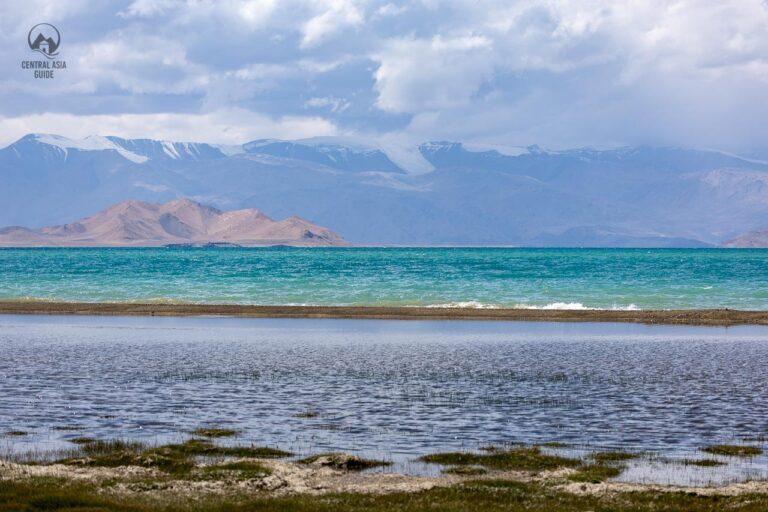
From Langar you climb over the Khargush Pass (4,344 m) to the Bulunkul and Yashilkul lakes, Alichur and Murghab on the high Pamir plateau. A day trip leads to the Rangkul and Shorkul lakes and over the Ak-Baital Pass (4,656 m), the highest point of the Pamir Highway, to the vast Karakul Lake – with luck you will see bar-headed geese and other Pamiri wildlife.
On the way back you walk into the green Jizev side valley of the Bartang Valley for a night with a local family, then follow the Panj River again and take the northern road over the Sagirdasht Pass back to Dushanbe. Expect long driving days, amazing mountain scenery, hot springs and warm Pamiri hospitality in homestays – a private journey for 2–4 travelers in July and August.
Difficulty: Moderate Mostly a 4x4 tour with very long driving days (most days 230–355 km and 7–14 hours) on partly rough roads, at high altitude: two nights in Murghab (3,630 m) and passes up to 4,656 m (Ak-Baital). The 7 km walk to Jizev village and back (3–4 hours each way) needs basic fitness.

Tour Itinerary
After breakfast you meet your driver/guide at your hotel or guesthouse in Dushanbe and head for the Pamirs via Kulob. On the way enjoy the views of the Nurek Water Reservoir and visit the Hulbuk Fortress in Vose and the mausoleum of a 14th-century poet and scholar. Overnight in a homestay in Kalai-Khumb. Altitude: start of the day 780 m (Dushanbe), highest point 2126 m (Shurobod Pass), end of the day 1295 m (Kalai-Khumb).
Nurek dam, Hulbuk Fortress, Kulob, Kalai Khum
- Dushanbe → Kalai Khum (355 km)
Overnight: Kalai Khum (Homestay)
Meals: Lunch, Dinner
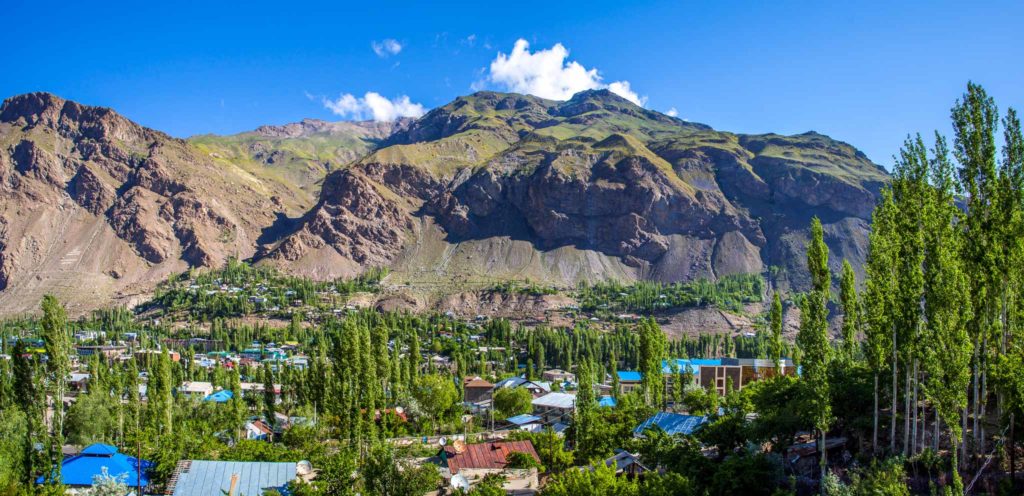
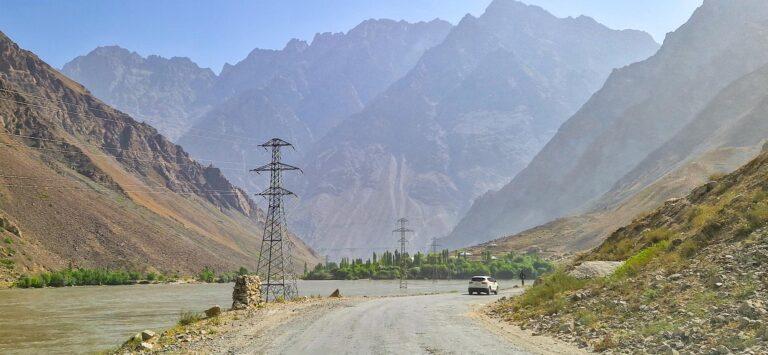
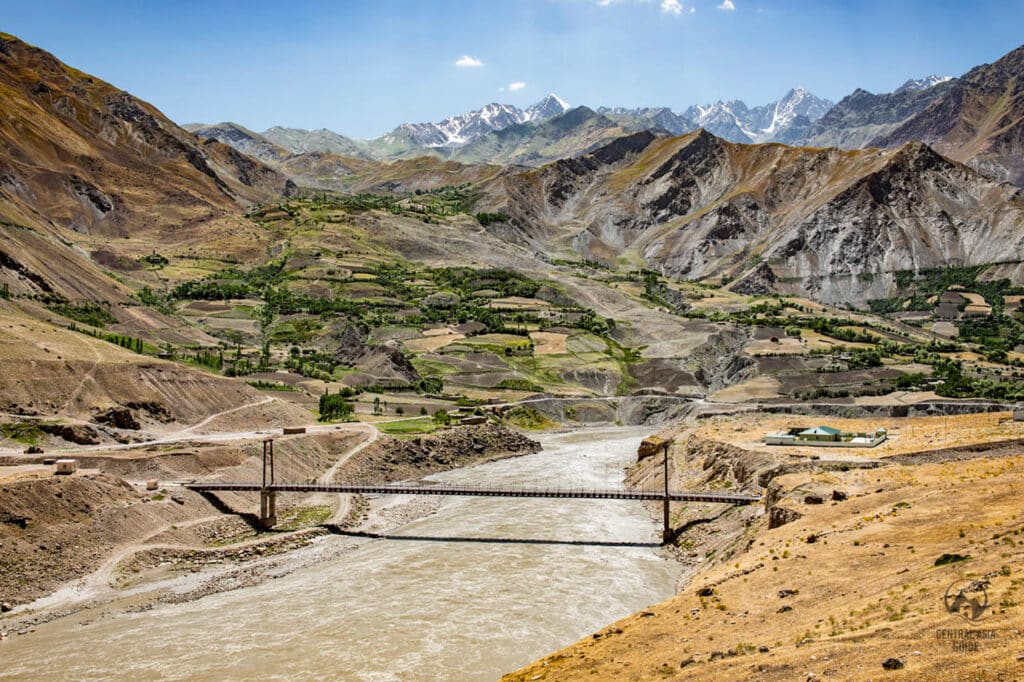
Leaving Kalai-Khumb (Darvaz), you drive up the Panj (Oxus) River to Khorog and watch the daily life of the Afghan villages across the river – in some places they are very close to the road. Short stop in Porshinev at the monument to Nosiri Khusraw, one of the great poets of the Persian language and an important Muslim philosopher of the 10th century. Khorog city tour: the State Historical Museum, the market, the city park and the Tourism Information Center. Overnight in a hotel in Khorog. Altitude: start of the day 1295 m (Kalai-Khumb), end of the day 2100 m (Khorog).
Porshinev, Khorog
- Kalai Khum → Khorog (270 km)
Overnight: Khorog (Hotel)
Meals: Breakfast, Lunch, Dinner

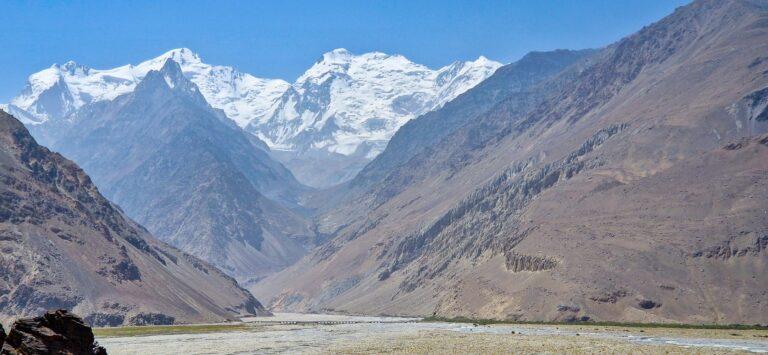
Heading to Ishkashim, with a short stop to soak in the Garm-Chashma hot spring and a view from a distance of Kuhi La’l, the famous Badakhshan ruby mines. You then drive into the Wakhan Valley (Wakhan Corridor) and visit the ruins of the Kah-Kaha and Yamchun fortresses, the Bibi Fatima hot spring, pre-Islamic shrines and the private museum of Sufi Muboraki Wakhoni, a 19th-century astronomer and scholar, with his solar calendar. If time allows, walk to the Langar petroglyphs. Overnight in a homestay in Hisor or Langar village. Altitude: start of the day 2100 m (Khorog), highest point 3200 m (Yamchun Fortress), end of the day 2800 m (Langar).
Garm Chasma, Iskashim, Qahqaha Fortress, Bibi Fatima Hot Springs, Yamchun Fort, Yamg, Langar
- Khorog → Langar (246 km)
Overnight: Langar (Homestay)
Meals: Breakfast, Lunch, Dinner
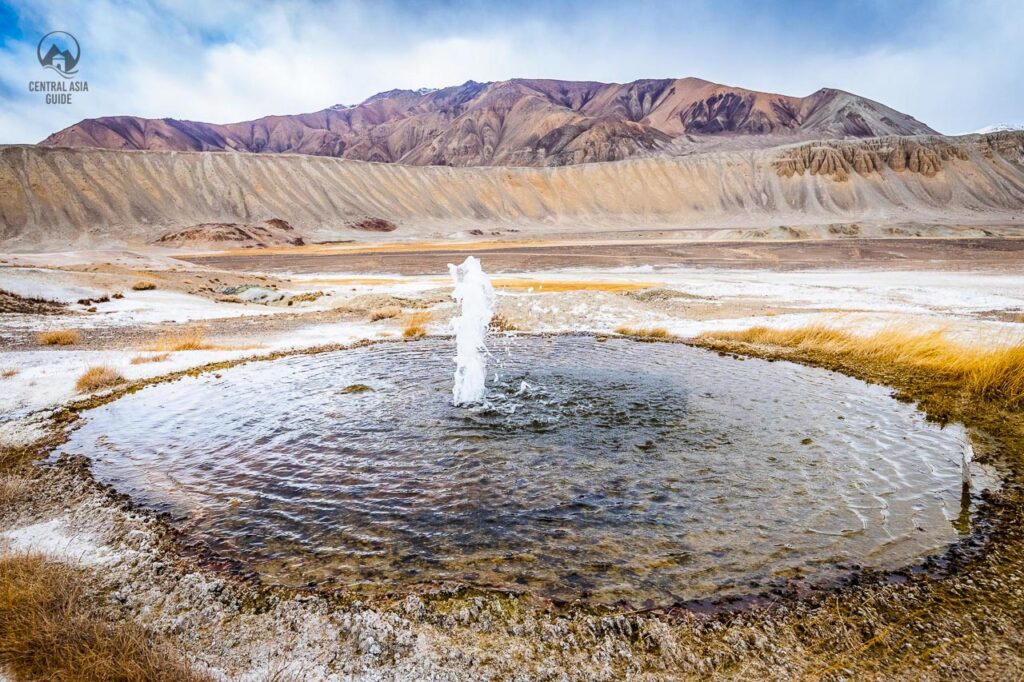
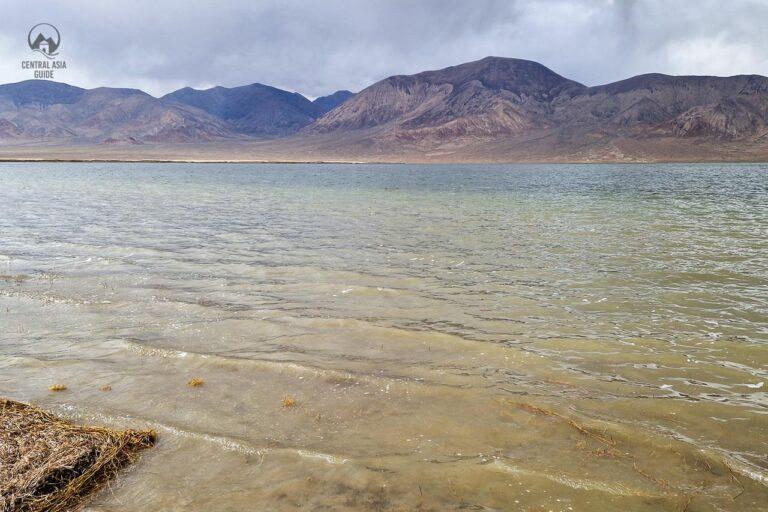
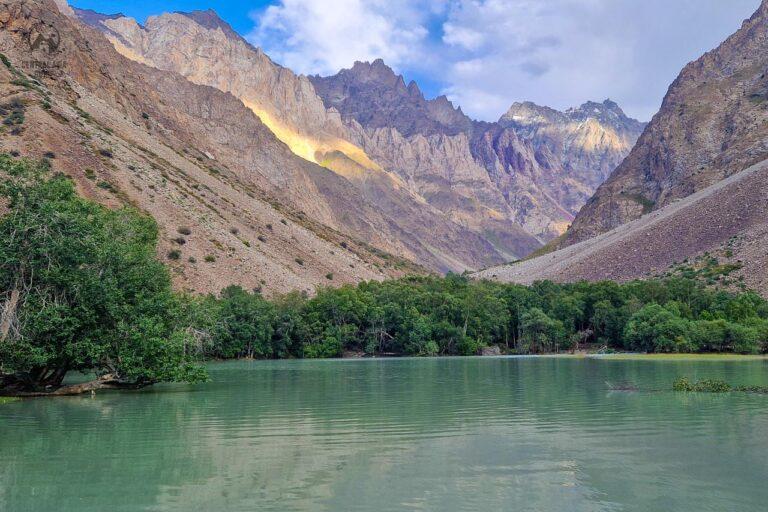
Drive over the Khargush Pass (4,344 m) and on to the Bulunkul and Yashilkul lakes. The Bulunkul settlement near the lakes is known as the coldest place in Central Asia, with winter temperatures dropping to –60 °C. Lunch is served in the open air or at a restaurant in Alichur. In Alichur travelers often take a two-hour yak ride, which must be arranged in advance. The drive continues to Bashgumbez and on to Murghab, with a stop at Ak-Baliq to see the Chinese cemetery from a distance. Overnight in Murghab. Altitude: start of the day 2800 m (Langar), highest point 4344 m (Khargush Pass), end of the day 3630 m (Murghab).
Khargush Pass, Yashikul and Bulunkul lakes, Alichur, Ak-Baliq, Bashgumbez, Murghab
- Langar → Murghab (275 km)
Overnight: Murghab (Guesthouse)
Meals: Breakfast, Lunch, Dinner
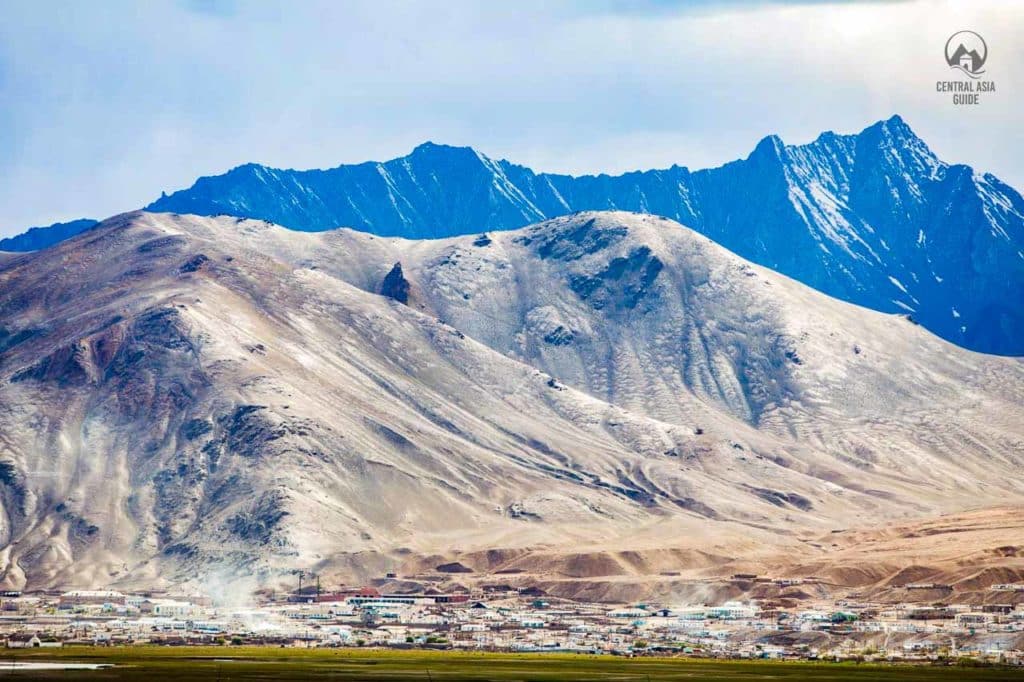
Leave Murghab for the Rangkul and Shorkul lakes. In the afternoon head for Karakul (“Black Lake”), the largest lake in Tajikistan, crossing the Ak-Baital Pass (4,656 m), the highest point of the Pamir Highway – take photos and move slowly because of the high altitude. A short detour leads to the Karaart geoglyphs (8th–3rd century BC). In the evening enjoy a walk along Karakul Lake, then return to Murghab for the night. Altitude: start of the day 3630 m (Murghab), highest point 4656 m (Ak-Baital Pass), end of the day 3670 m (Murghab).
Rangkul Lake, Ak-Baital Pass, Lake Karakul, Murghab
- Murghab → Murghab (330 km)
Overnight: Murghab (Guesthouse)
Meals: Breakfast, Lunch, Dinner
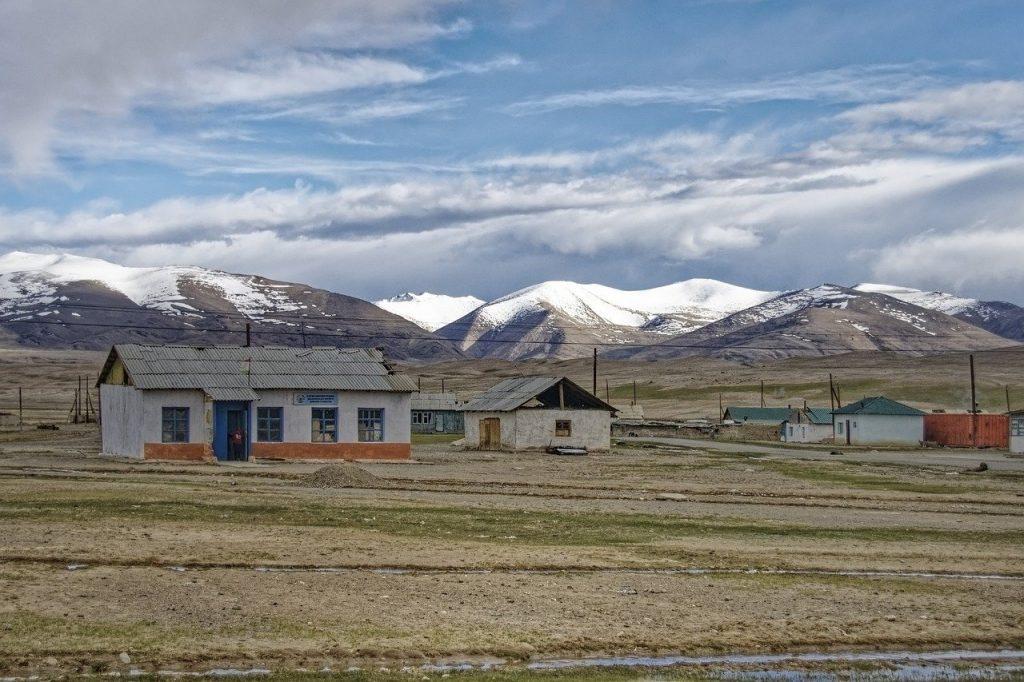
Photo stops at Chatyr-Tash and Bashgumbez, then drive to Khorog through the Gunt Valley. If time allows, ask your driver for a stop at the Jelondi hot spring for a relaxing bath. Overnight in Khorog. Altitude: start of the day 3630 m (Murghab), end of the day 2100 m (Khorog).
Chatyr-Tash, Bashgumbez, Alichur, Khorog
- Murghab → Khorog (320 km)
Overnight: Khorog (Hotel)
Meals: Breakfast, Lunch, Dinner
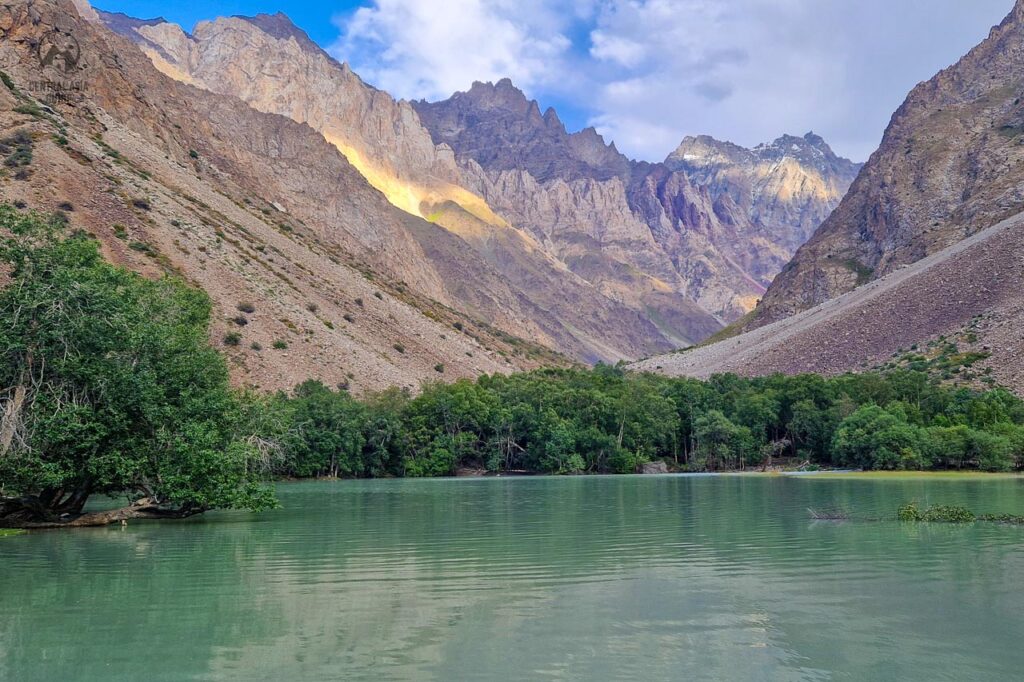
Leaving Khorog, you head for the Bartang Valley and stop at the bridge over the Bartang River. The car stays there with the driver while you trek about 7 km (3–4 hours) up to Jizev village. In the afternoon explore the village and walk along its small lakes; the people are very kind and like to talk with guests. Overnight in a homestay in Jizev village. Altitude: start of the day 2100 m (Khorog), end of the day 2500 m (Jizev).
Bartang Valley, Jizev
- Khorog → Bartang Valley (100 km)
- Bartang Valley → Jizev (7 km)
Overnight: Jizev (Homestay)
Meals: Breakfast, Lunch, Dinner

Walk back down to the main road and your car, then drive on to Kalai-Khumb, enjoying the views of the Afghan villages along the Panj River. On the way visit the Womar Fortress in Rushan. Overnight in a guesthouse in Kalai-Khumb. Altitude: start of the day 2500 m (Jizev), end of the day 1250 m (Kalai-Khumb).
Rushan, Kalai Khum
- Jizev → Bartang Valley (7 km)
- Bartang Valley → Kalai Khum (230 km)
Overnight: Kalai Khum (Guesthouse)
Meals: Breakfast, Lunch, Dinner
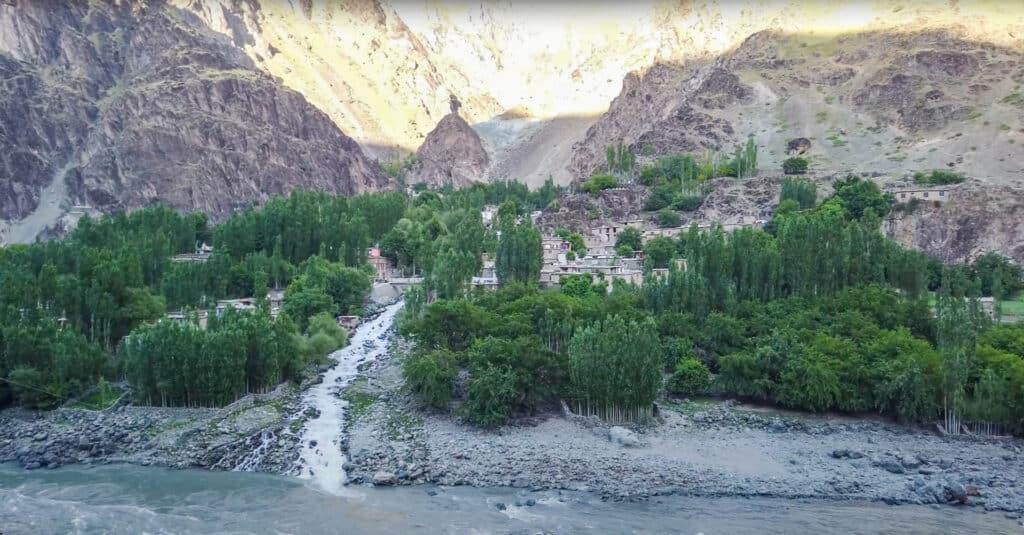
Return to Dushanbe on the northern route over the Sagirdasht Pass (3,252 m) and through the Tavildara district. In Darvaz the driver checks whether this road is open – it is sometimes closed. Short stop to stretch your legs at Goluboye Ozero (“Blue Lake”), and a view from a distance of the construction site of Rogun, the biggest hydropower station in Central Asia, with the highest dam in the world (335 m). Altitude: start of the day 1250 m (Kalai-Khumb), highest point 3252 m (Sagirdasht Pass), end of the day 780 m (Dushanbe).
Tavildara, Rogun Dam, Dushanbe
- Kalai Khum → Dushanbe (355 km)
Meals: Breakfast, Lunch
Nargiza is the office manager of Central Asia Guide and mostly responsible for multi country "Stan" tours.
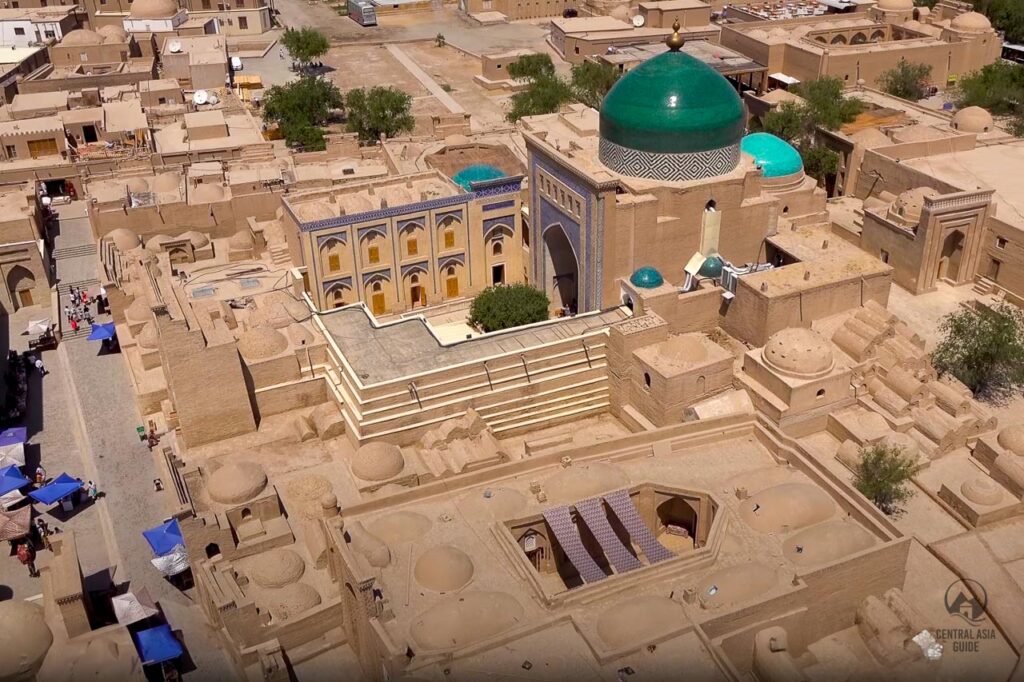


Four Stan Tour through Central Asia
Discover the legendary Silk Road on this 18-day small-group tour through Kyrgyzstan, Kazakhstan, Tajikistan and…
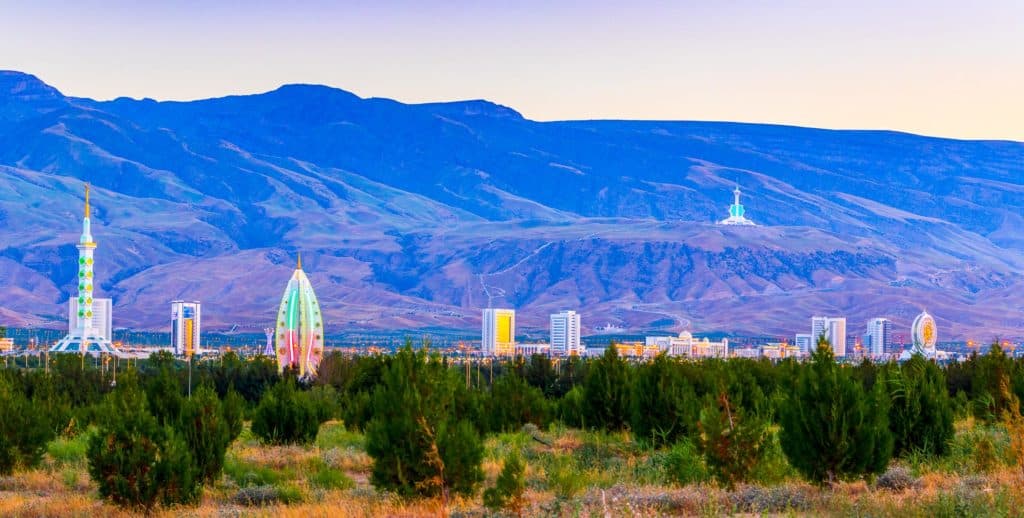

Five Stans of Central Asia Tour
Start on an extraordinary adventure across the heart of Central Asia with our Five Stan Tour, exploring the unique…
The Best of the Five Stan Tour
Embark on a 22-day journey through all five countries of Central Asia, beginning in Bishkek and ending in Ashgabat. In…