
Barsakelmes Reserve, Kazakhstan: How to Visit
The “island of no return”: once the largest island of the Aral Sea, now a desert peninsula and a nature reserve with kulans, saiga and gazelles.
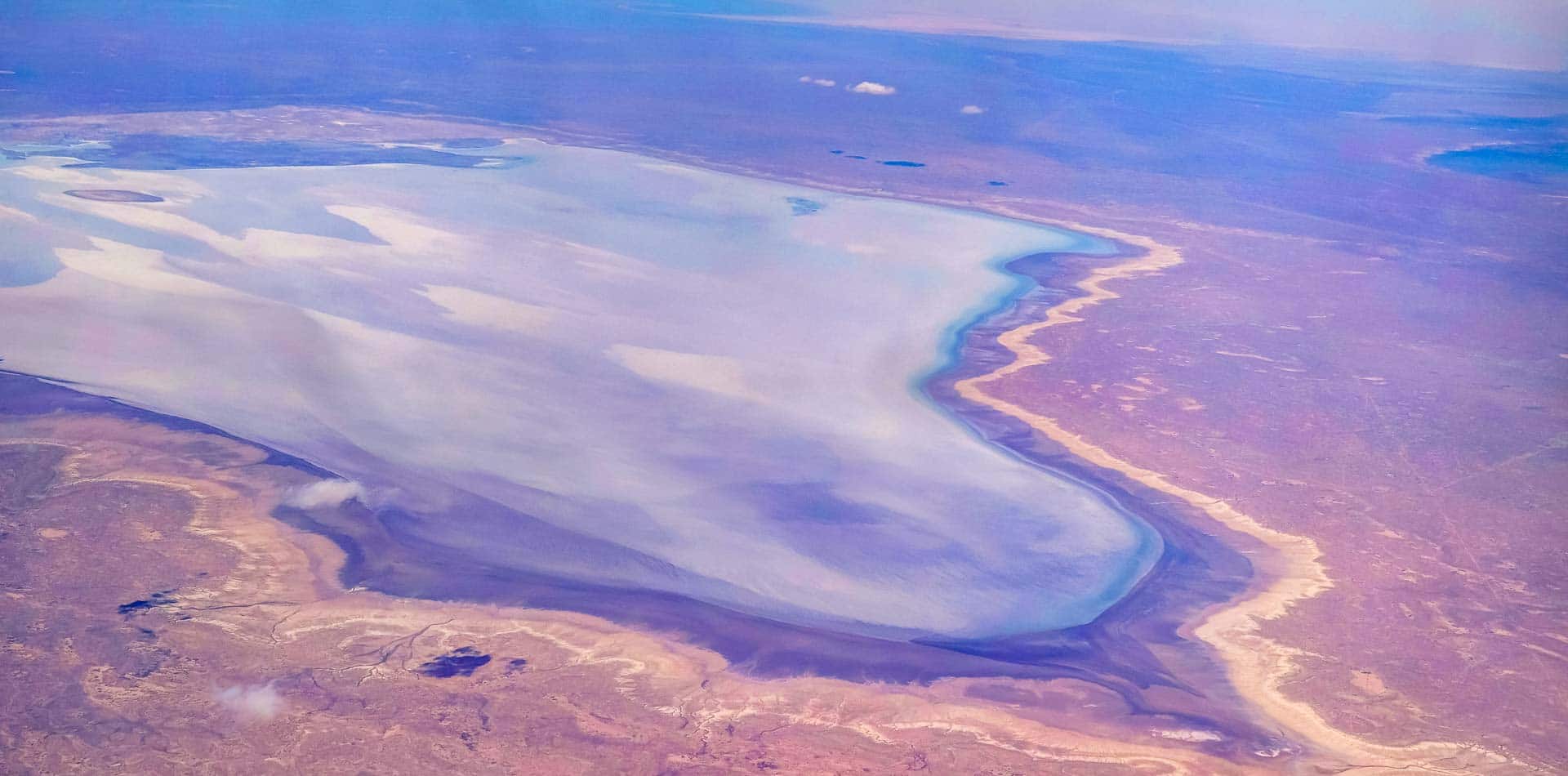
Barsakelmes means “the land of no return” in Kazakh, and it is not hard to see where the name comes from once you are there. Barsakelmes was once the largest island in the Aral Sea, about 10 m higher than the old sea surface. Today it is a peninsula in the desert, joined to the mainland in the east. The reserve lies about 180 km southwest of the town of Aralsk, in the Aralsky district of Kyzylorda region. It was founded in 1939, and its core area covers 160,826 ha. Since 2016 it has been a UNESCO biosphere reserve, and in 2023 it became part of the “Cold Winter Deserts of Turan” UNESCO World Heritage site. Do not confuse this former island with the Barsakelmes salt lake in Uzbekistan, not far from the Aral Sea.
In Soviet times, in 1929, the island was turned into a hunting area for the local sand gophers. Other animals rare on the mainland, such as partridges, gazelles and saigas, were also brought here. For a short time fishing was carried out from Barsakelmes, and houses and wells for fresh water were built after a long search for the scarce drinking water.
In old times Barsakelmes was called the island of kulans, a rare wild ass of the Central Asian deserts. When the Aral Sea dried up in the 1980s and 1990s, many kulans were moved to other reserves, and many of them now live in Altyn-Emel National Park. Some kulans still live on Barsakelmes.
In the 1990s, as the Aral Sea dried up, Barsakelmes lost its island status and became a peninsula, but the name stayed. Today it is an example of extreme ecological conditions, where the desert keeps spreading. Barsakelmes is a place for those who love desert wildlife and want to experience true remoteness.
Barsakelmes at a glance
- Where: on the dry bed of the Aral Sea in Kyzylorda region, about 180 km from Aralsk. Once the largest island of the Aral, it is now joined to the mainland.
- Who can visit: organised groups only.
- Status: state nature reserve since 1939, UNESCO biosphere reserve since 2016, and part of the Cold Winter Deserts of Turan World Heritage site since 2023.
- Wildlife: kulans (wild asses), saiga and goitered gazelles.
- Getting there: by road; since the Kokaral dam was built, no longer by boat from Aralsk.
- Combine with: Aralsk and the North Aral, Kyzylorda and the Baikonur Cosmodrome.
Travel to Barsakelmes
Barsakelmes is a very remote place with poor roads, and visitors are admitted only in organised groups, so a trip needs careful planning. The area is extremely dry; only the village of Akbasty still survives in the middle of the peninsula.
Since the Kokaral dam was built in 2005, Barsakelmes can no longer be reached by boat from Aralsk. It is reached by car from the east or the west. The eastern route goes via the Kokaral dam, which Kazakhstan built to save the northern part of the Aral Sea, fed by the Syr Darya; the closest village to the dam is Tastak. From the west, the nearest inhabited villages are Azaktan (with a train connection) and Bozoy.
Barsakelmes is only for travellers who enjoy real adventure. Visitors are admitted only in organised groups. Contact us to plan a trip that combines Barsakelmes with Aralsk and the North Aral.
Other destinations and sights near Barsakelmes
Tour updated