You know about the Silk Road for sure and might have in your mind images of oriental looking bazars and caravanserais that remind the cities of the Middle East. In reality, much of the Silk Road traffic passed through different routes in Central Asia through very many different kind of landscapes and various peoples before the products reached their final destination. Therefore, Central Asia is full of signs from the Silk Road era but one must know where to look for.
Outside Central Asia, silk road sights continue in Iran, Caucasus and China. This page focuses on the main Silk Road sights in Central Asia, but there are countless more to be found. Best way to experience the Silk Road in Central Asia is through our Central Asia Silk Road Tour. The sites in Uzbekistan are most developed but at the same time, most of the Medieval time silk road ruins are mostly unexcavated especially in Kyrgyzstan, Tajikistan and Kazakhstan and therefore very exciting to visit due to their “raw” status. Many of our other Central Asia tours also cover a large portion of the Silk Road sights in the region.
Silk Road sights in Uzbekistan
The most obvious country in Central Asia with Silk Road sights is Uzbekistan. The well known cities of Bukhara, Samarkand and Khiva along the Amu Darya and its tributaries are great examples of very old cities that thrived because of the Silk Road trade. Although all these cities are old, even older than the Silk Road, they were some of the most rich and advanced cities in the world in many aspects during that era exactly.
Samarkand
From antiquity through the Timurid era (especially this era as the capital), Samarkand prospered as a center of trade, craftsmanship, science, and culture, attracting merchants, scholars, and artisans whose exchanges of silk, paper, spices, science and ideas helped shape Eurasian history.
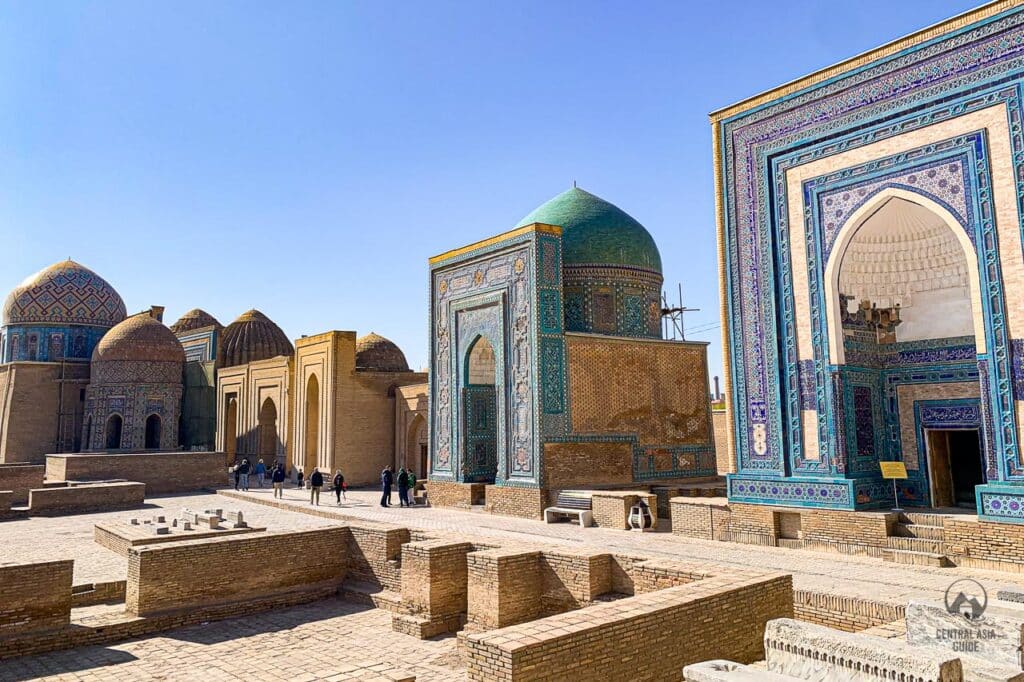
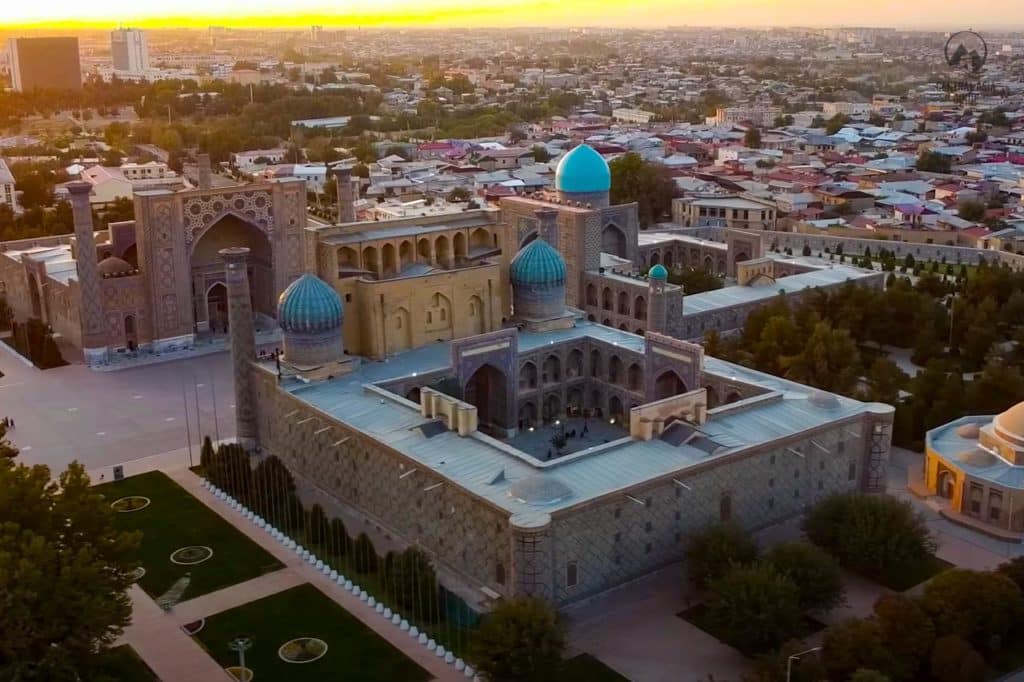
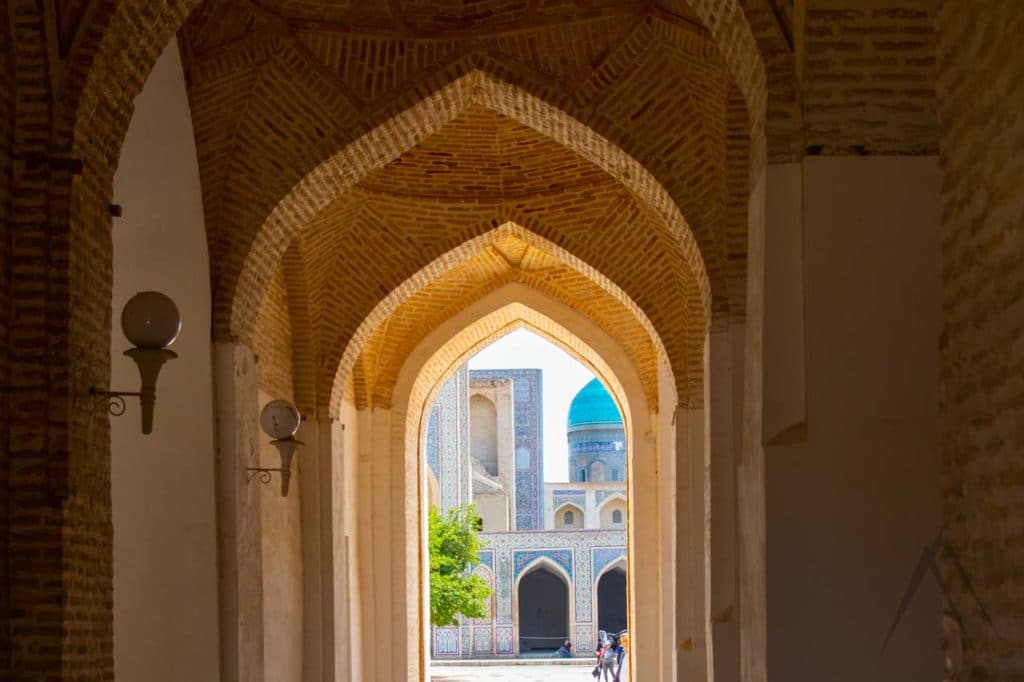
Samarkand’s Silk Road legacy is reflected in its mostly Timurid monumental architecture. The Registan, surrounded by madrasas was built to educate elites supported by trade wealth and formed the ceremonial and commercial heart of the city. Other Samarkand landmarks, such as the Bibi-Khanym Mosque and the Shah-i-Zinda are one of the top Silk Road sights in all of Central Asia.
Bukhara
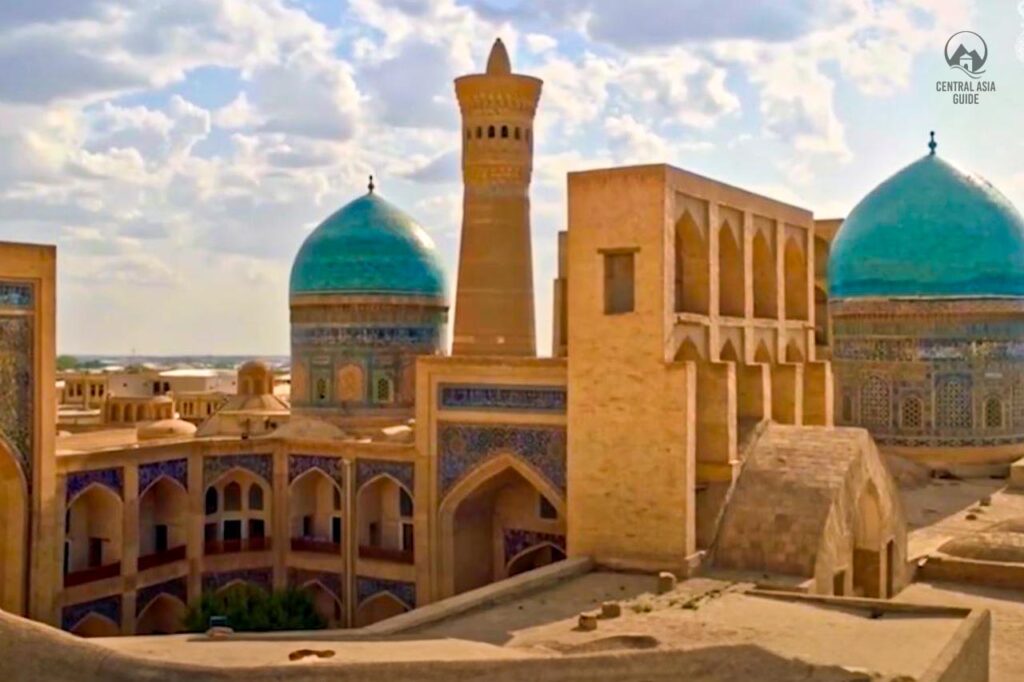
Bukhara old town was one of the main trading centers of the Silk Road from antiquity to Medieval era in the Kyzyl Kum desert and along the Amu Darya river. Several of Bukhara’s historic buildings are directly linked to its Silk Road role. The Lyab-i Hauz Ensemble and surrounding caravanserais once hosted traders and their animals, while the city’s famous covered trading domes called Toki Zargaron, Toki Telpak Furushon, and Toki Sarrafon, were specialized markets for jewelers, hat sellers, and money changers.
Khiva
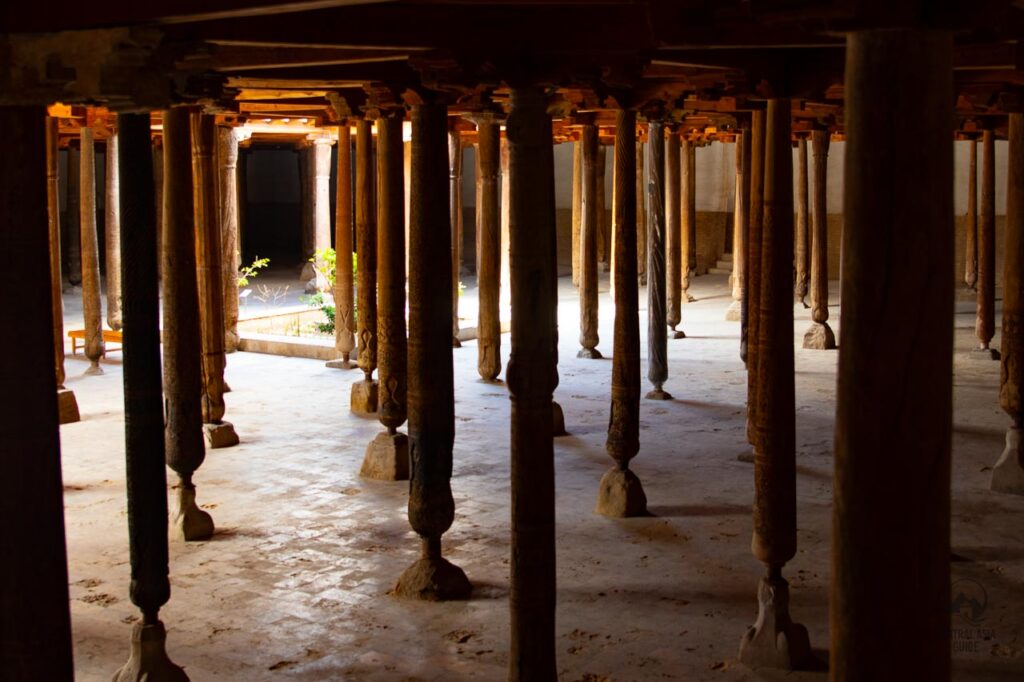
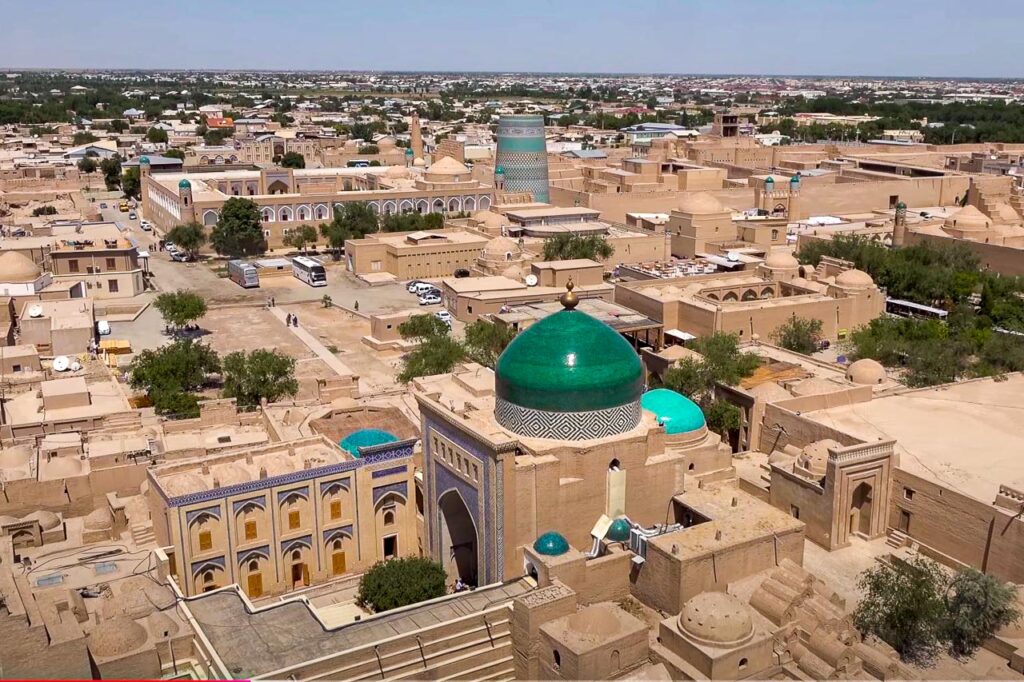
Khiva’s Silk Road heritage is preserved above all within Ichan Kala, the walled inner city that functioned as a fortified caravan town. Monumental structures such as the Kunya-Ark, the Khiva Juma Mosque with its forest of wooden columns, and the Allakuli Khan Caravanserai directly reflect Khiva’s role in hosting merchants and governing Silk Road commerce. Inside the walls of Khiva, one can really experience how it has been living inside a walled desert oasis city filled with merchants (that are nowadays mostly replaced by souvenir sellers and tourists though).
Termez
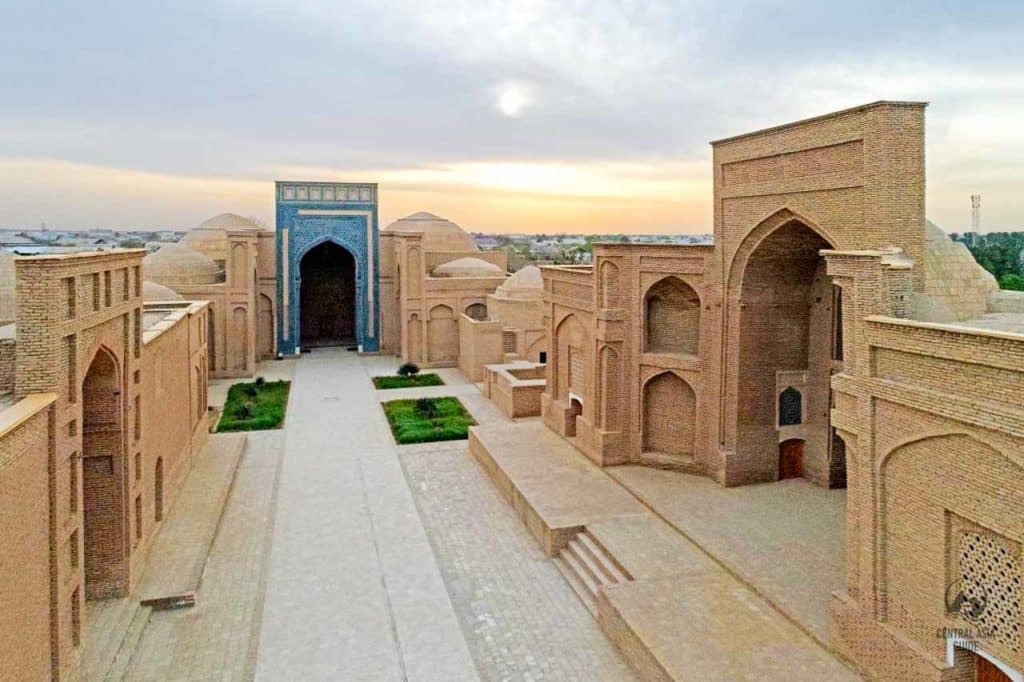
Termez is a less visited town in Uzbekistan but it was one of the most important southern gateways on the Silk Road, strategically located on the Amu Darya at the crossroads between Central Asia, and the Iranian world and also further towards the current Indian civilizations. From antiquity through the early Islamic period, Termez flourished as a major commercial and cultural hub, benefiting from caravan traffic linking Bactria, India, and China with Transoxiana (Amu Darya) and beyond.
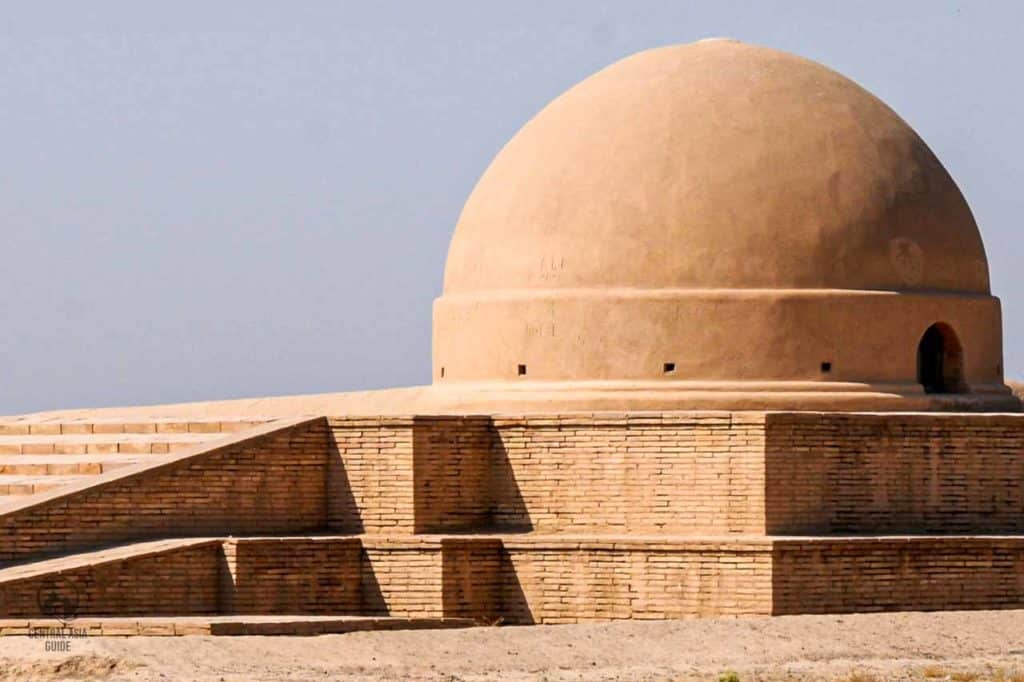
Termez is especially notable for its Silk Road era religious and commercial architecture. The ruins of Fayaz Tepe and Kara Tepe tell of the city’s role as a major center of Buddhism along Silk Road routes before the Islamic period, serving monks and merchants traveling between India and Central Asia. Later Islamic monuments, such as the Sultan Saodat Complex, reflect Termez’s continued importance as a trading and spiritual center.
Silk Road sights in Tajikistan
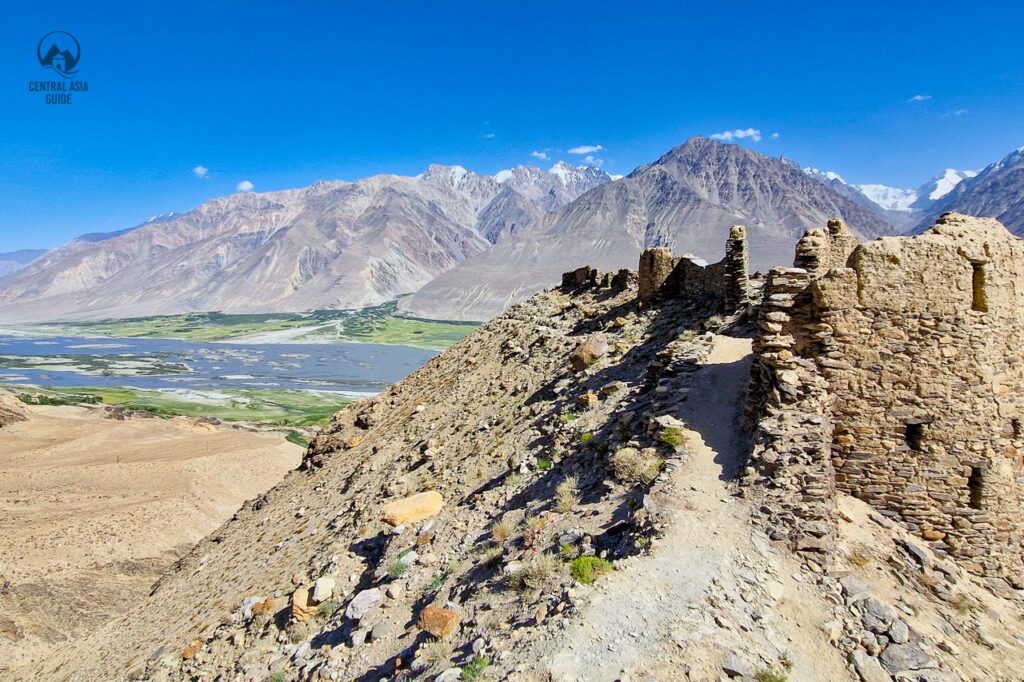
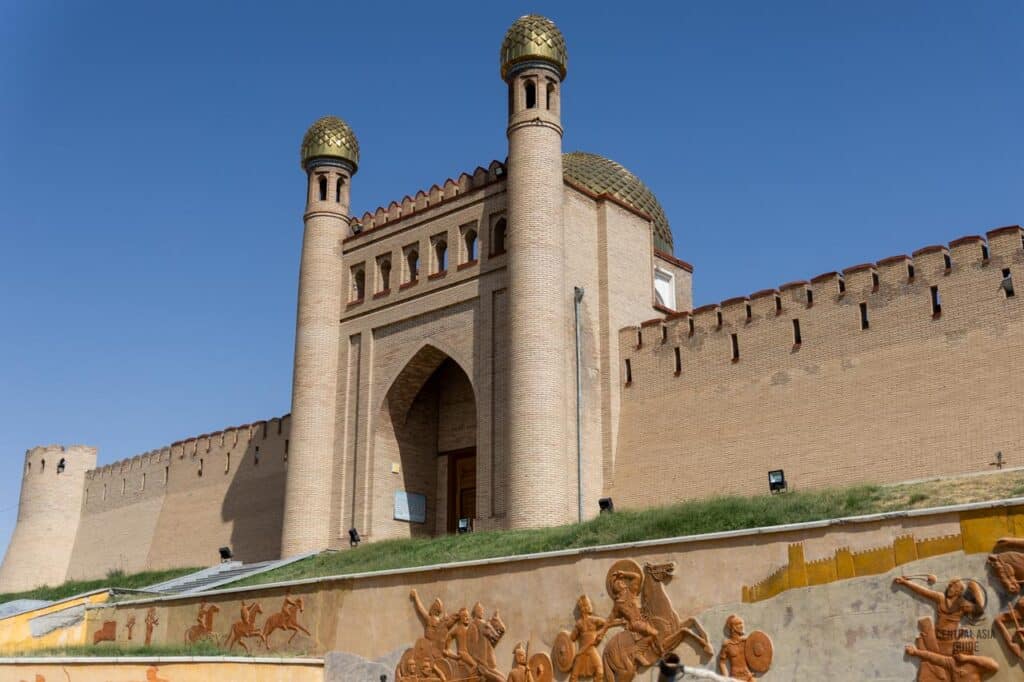
Tajikistan was also a major route in the Silk Road through Wakhan Valley in Pamir along with stopovers in the ancient cities like Khujand, Penjikent, Istaravshan and Hulbuk that all have evidence of the former wealth of the Silk road trading cities both in Fergana Valley and southern Tajikistan near current Afghanistan. Silk road routes passed also through other parts of Pamir, which is proven by the many fortress ruins and remains of religious sites.
Silk Road sights in Kyrgyzstan
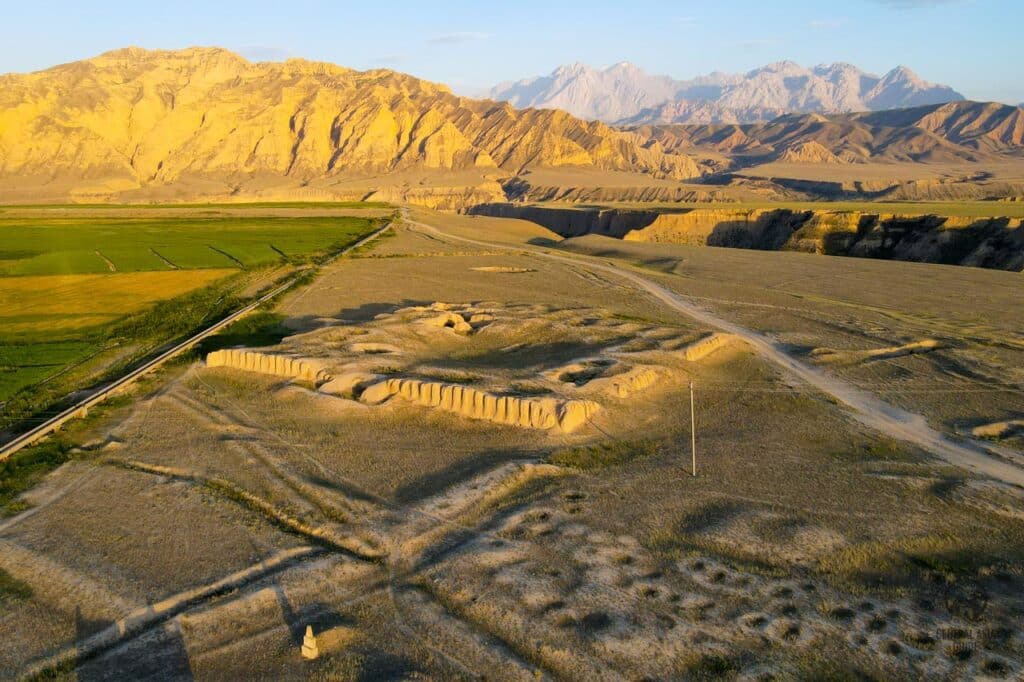
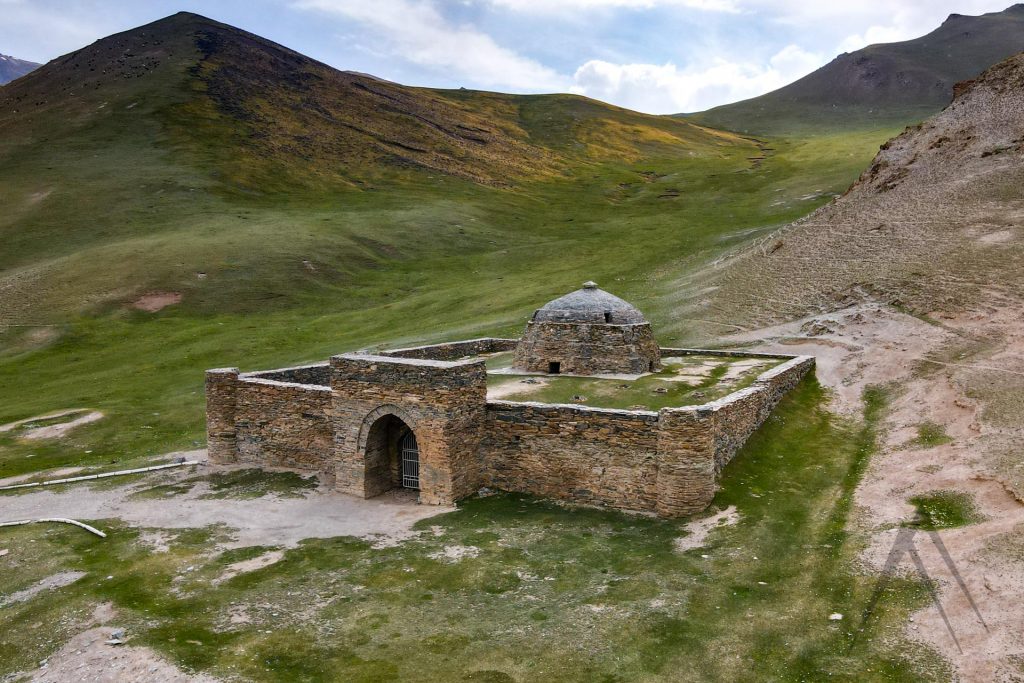
Kyrgyzstan is not commonly known as a Silk Road destination but in reality there were at least two branches going through the Kyrgyz territory. The first one was through Issyk Kul and the Chui Valley with a branch through the Naryn area through a mountain pass to China’s Taklamakan desert and the second from Alai Valley through Osh and to the Ferghana Valley leading to Kashgar in China. There are also several old fortresses and caravanserai ruins in different parts of Kyrgyzstan but most of them are not properly studied and many are also free to be roamed by anyone.
Silk Road sights in Turkmenistan
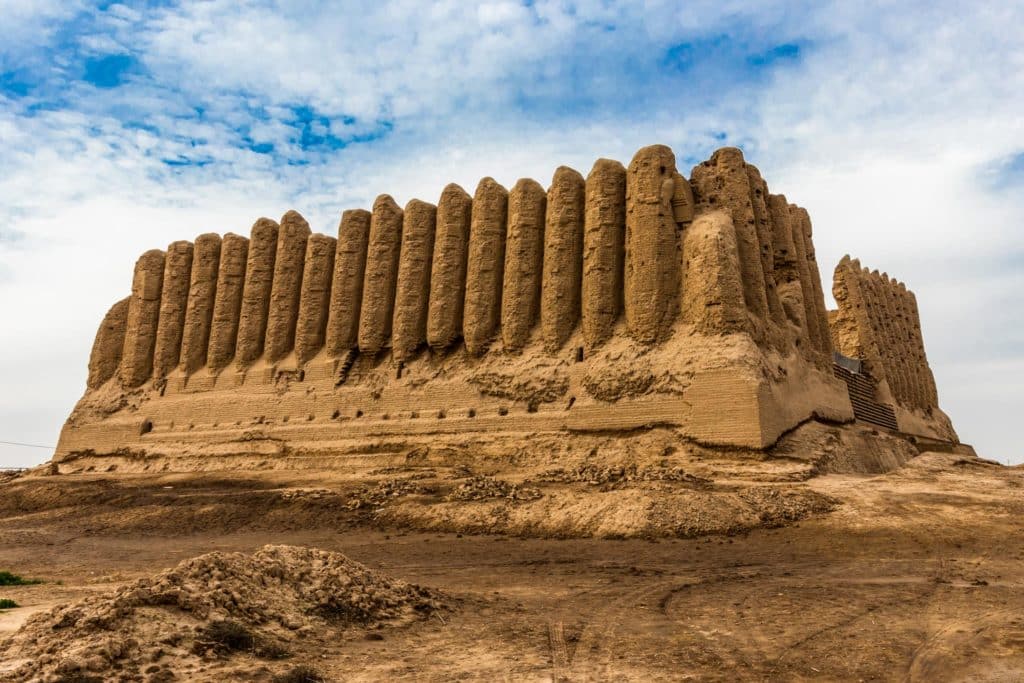
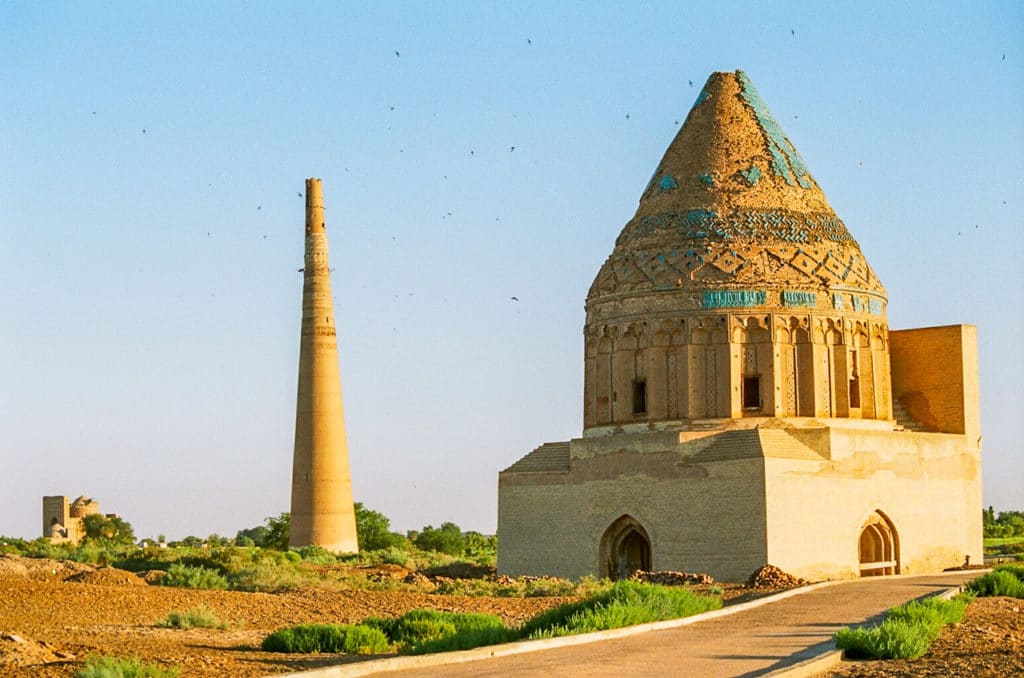
The ancient cities of Turkmenistan, such as the Nisa, Merv, Amul, Serakhs, and Kunya-Urgench were all part of the Silk Road network and were connected to cities in Tajikistan, Uzbekistan and further in Persia.
Silk Road sights in Kazakhstan
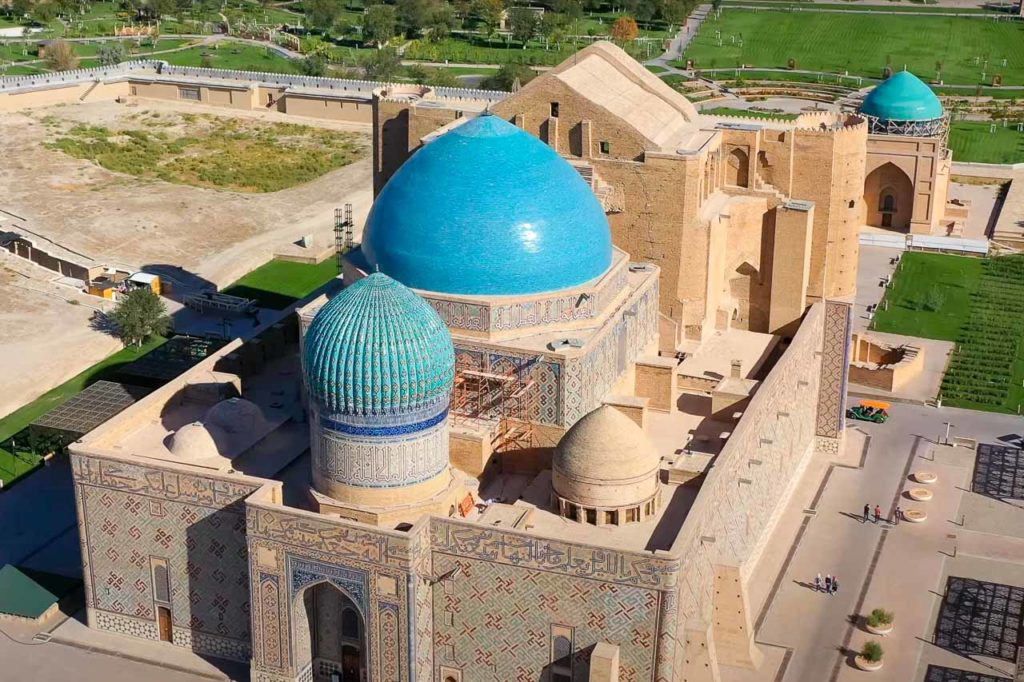
The northernmost branches of Silk Road were passing through Kazakhstan and there is a row of Medieval city ruins dotting the southern areas of Kazakhstan proving it. The easiest to find, and most researched locations are near the border to Kyrgyzstan and follow the northern end of the Tien Shan mountain range from where the Kazakh steppes start from and along the Syr Darya river all the way to the Aral and Caspian Seas. The most visited sites also include the Turkistan old town center with the Unesco site mausoleum and Shymkent citadel area that is currently under reconstruction.