Pamir Highway and Wakhan Corridor Tour from Dushanbe to Osh
Accommodation, guides, transport included.
Tour start date:
Pamir Highway and Wakhan Corridor Tour from Dushanbe to Osh Highlights
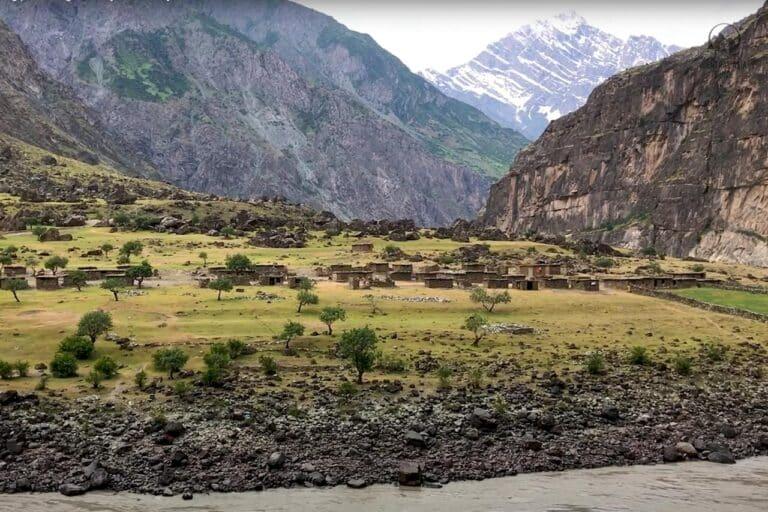
This 7-day private 4x4 tour crosses the Pamir Mountains from Dushanbe in Tajikistan to Osh in Kyrgyzstan – more than 1,600 km along the Pamir Highway with a detour through the famous Wakhan Valley. On the way out of Dushanbe you pass the Nurek Dam and the Hulbuk Fortress, then follow the gorges of the Panj River along the Afghan border, with Afghan villages just across the water, via Kalai-Khumb to Khorog, the small capital of the Pamirs.
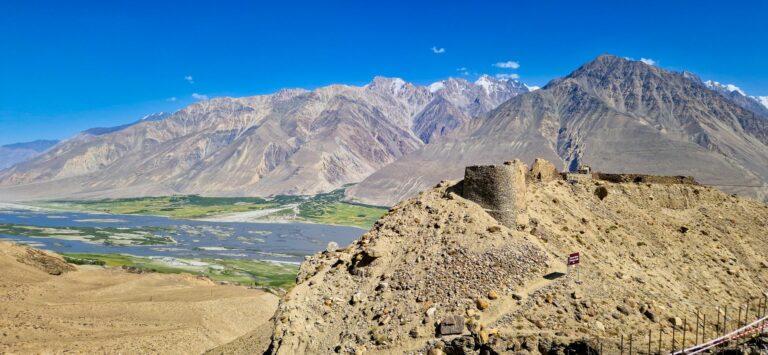
In the Wakhan Valley, facing the peaks of the Afghan Hindu Kush, you visit the ancient Kah-Kaha and Yamchun fortresses (3rd–1st century BC), pre-Islamic shrines and the petroglyphs of Langar, and soak in the Garm-Chashma and Bibi Fatima hot springs. Over the Khargush Pass (4,344 m) the road climbs to the high Pamir plateau with the Bulunkul and Yashilkul lakes, Alichur and Murghab, where a day trip leads into the quiet Madiyan Valley.
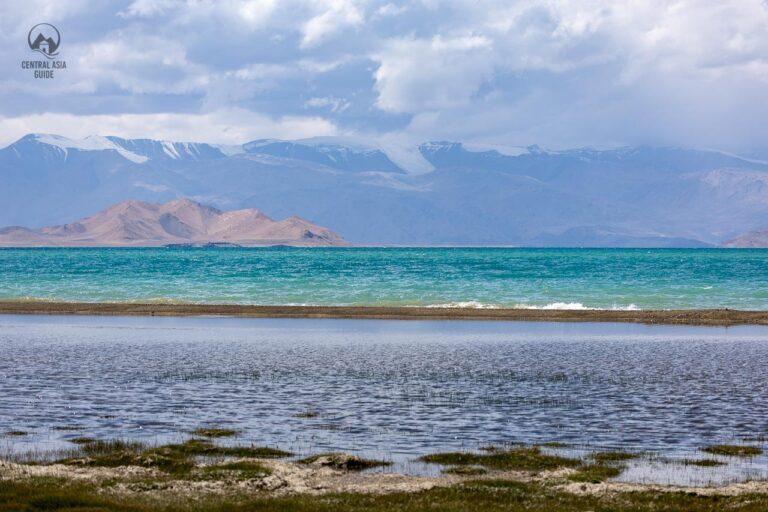
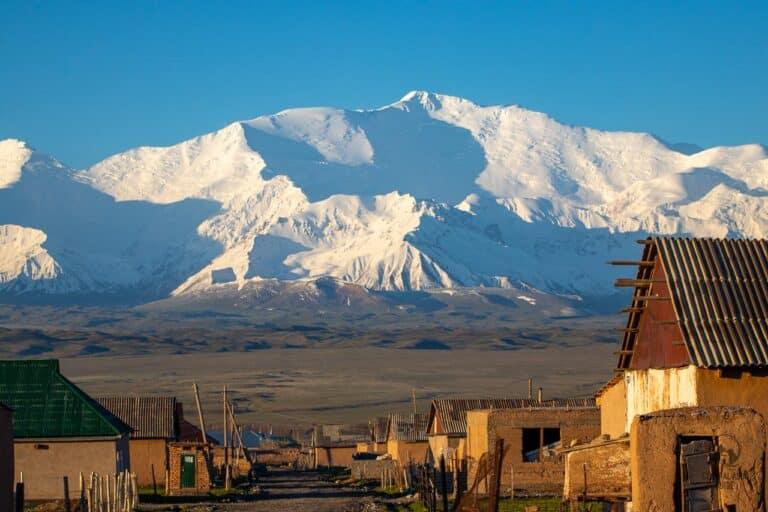
From Murghab you visit the Rangkul and Shorkul lakes – with a good chance to see bar-headed geese in their natural habitat – and cross the Ak-Baital Pass (4,656 m), the highest point of the Pamir Highway, to the vast Karakul Lake. On the last day you cross into Kyrgyzstan over the Kyzyl-Art Pass to Sary-Tash in the Alai Valley, with views of Lenin Peak (7,134 m) on a clear day, and drive down to Osh. Expect historical sites, hot springs, amazing scenery and warm Pamiri hospitality in guesthouses and homestays.
Difficulty: Moderate Normal physical condition is enough – some walking on easy and moderate terrain. Long driving days (210–355 km, up to 10–12 hours) on partly poor roads and at high altitude: two nights in Murghab (3,630 m), one in Karakul (3,930 m) and passes up to 4,656 m (Ak-Baital).
Tour Itinerary
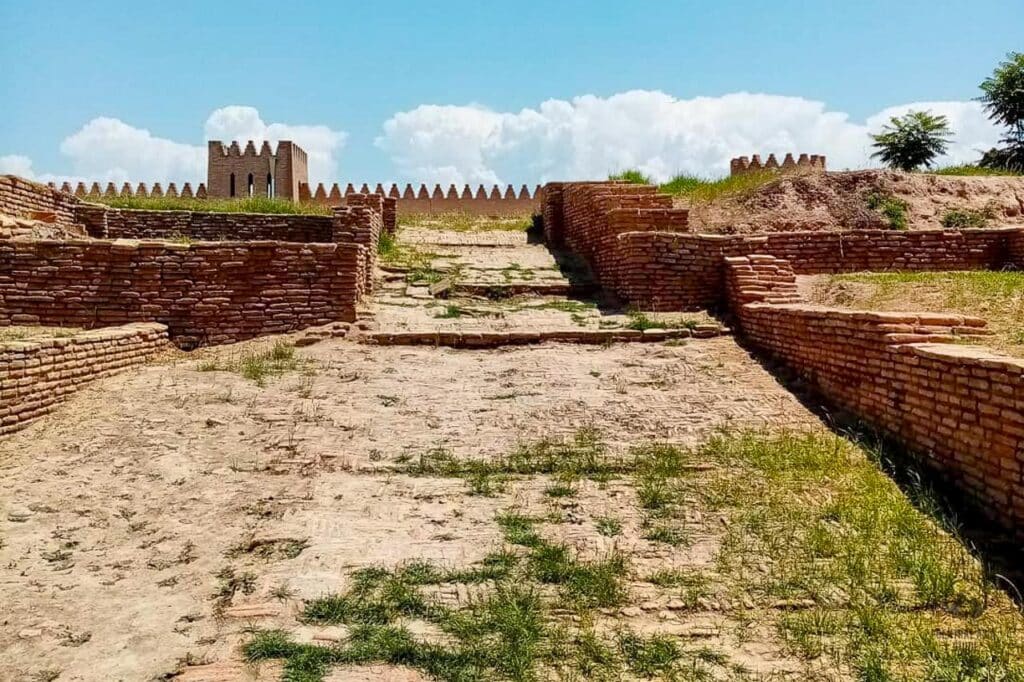
Your driver meets you at your hotel or guesthouse in Dushanbe, and you head for the Pamirs via Kulob. On the way, enjoy the view of the Nurek Dam and its lake, and visit the Hulbuk Fortress and its museum in Vose. Overnight in a guesthouse in the small town of Kalai-Khumb. Altitude: start of the day 780 m (Dushanbe), highest point 2,126 m (Shurobod Pass), end of the day 1,295 m (Kalai-Khumb).
Nurek dam, Hulbuk Fortress, Kulob, Kalai Khum
- Dushanbe → Kalai Khum (355 km)
Overnight: Kalai Khum (Guesthouse)
- Toilet: Shared (indoor)
Meals: Breakfast, Lunch, Dinner
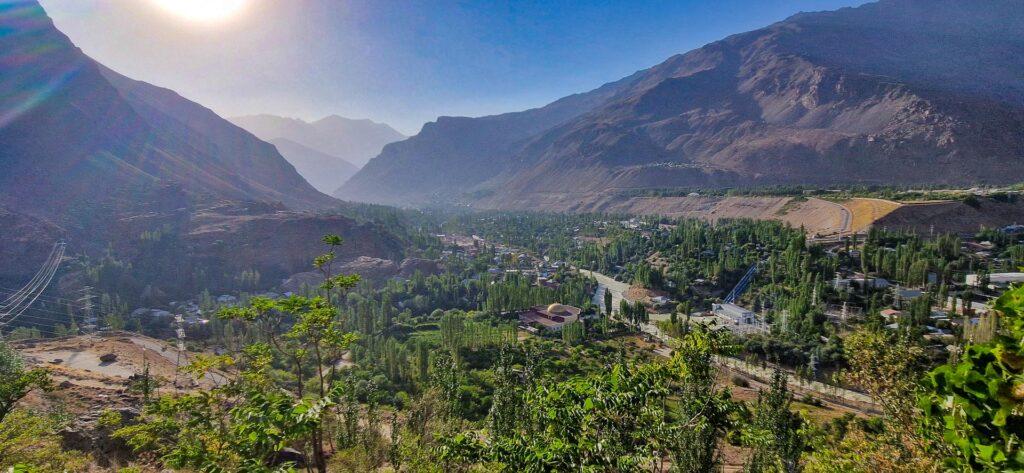
Leave Kalai-Khumb (Darvaz) and follow the Panj (Oxus) River to Khorog. Along the way you see Afghan villages on the other bank – in some places they are very close. Short stop in Porshinev at the monument to Nasir Khusraw, one of the great poets of the Persian language and an important Muslim philosopher. In Khorog, a city tour with the Botanical Garden, the Historical Museum, the City Park and the Tourism Information Center. Overnight in a hotel in Khorog. Altitude: start of the day 1,295 m (Kalai-Khumb), end of the day 2,100 m (Khorog).
Porshinev, Khorog
- Kalai Khum → Khorog (280 km)
Overnight: Khorog (Hotel)
- Shower: Yes
- Toilet: Private (in the room)
Meals: Breakfast, Lunch, Dinner
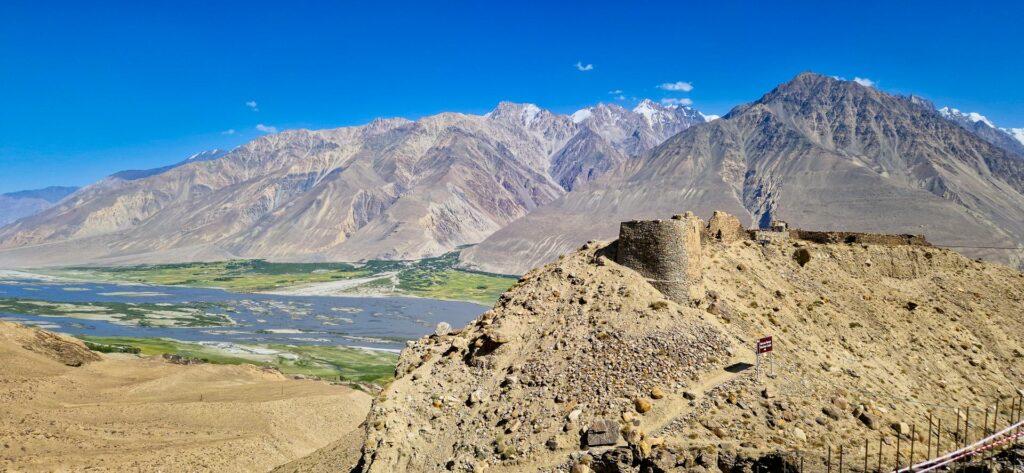
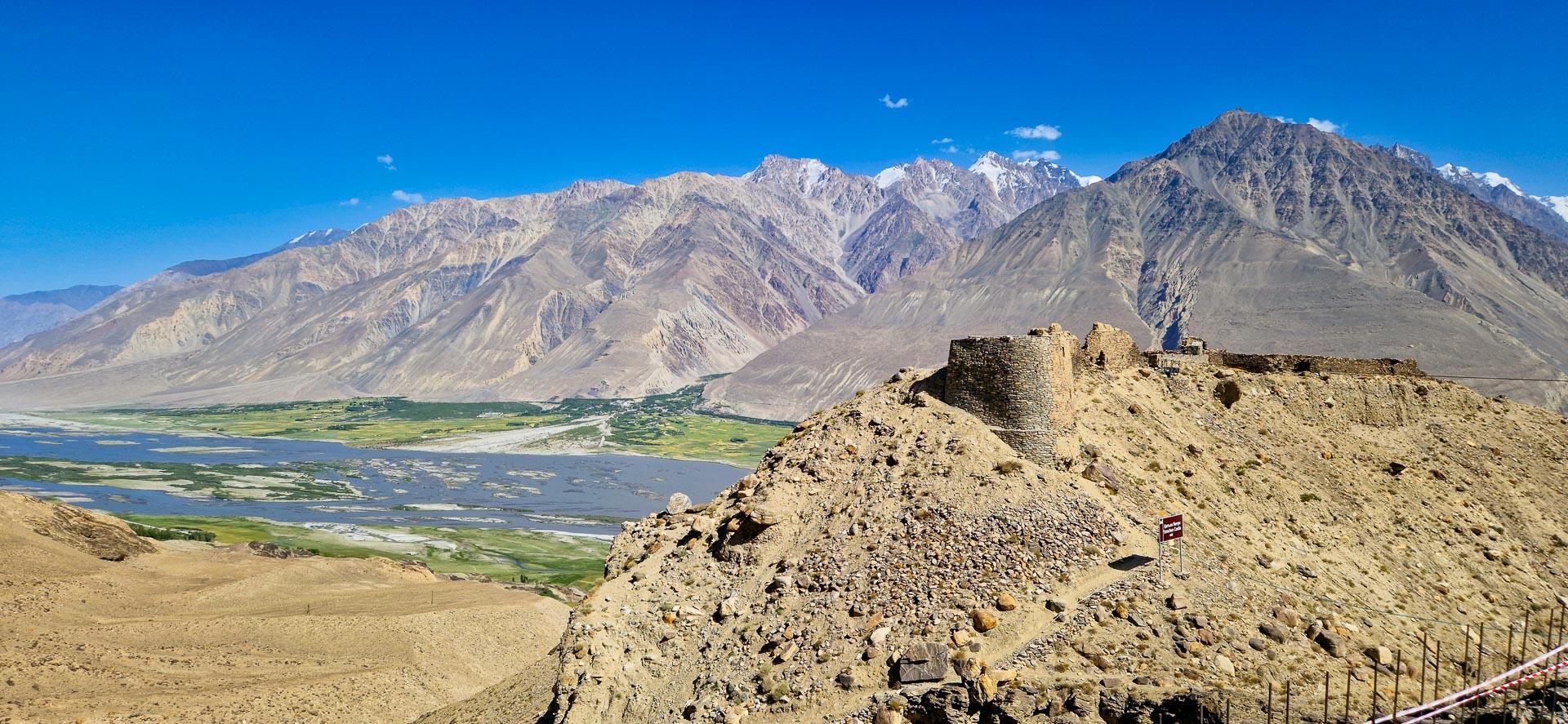
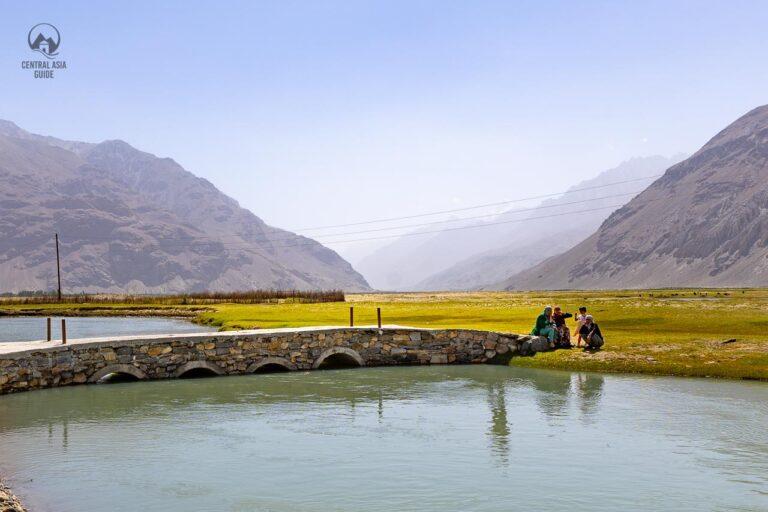
After breakfast, drive towards Ishkashim, with a short stop to soak in the Garm-Chashma hot spring and a view from a distance of the Kuhi La'l ruby mines. Then enter the Wakhan Valley (Wakhan Corridor) and visit the ruins of the Kah-Kaha and Yamchun fortresses, the Bibi Fatima hot spring, pre-Islamic shrines and the museum of Sufi Muboraki Wakhoni, a 19th-century astronomer and scholar. If there is enough time, walk up to the Langar petroglyphs. Overnight in a guesthouse in Langar or Zong village. Altitude: start of the day 2,100 m (Khorog), highest point 3,200 m (Yamchun), end of the day 3,000 m (Langar).
Garm Chasma, Iskashim, Khakha Fortress, Yamchun Fort, Bibi Fatima Hot Springs, Yamg, Langar
- Khorog → Langar (246 km)
Overnight: Langar (Guesthouse)
- Toilet: Shared (indoor)
Meals: Breakfast, Lunch, Dinner
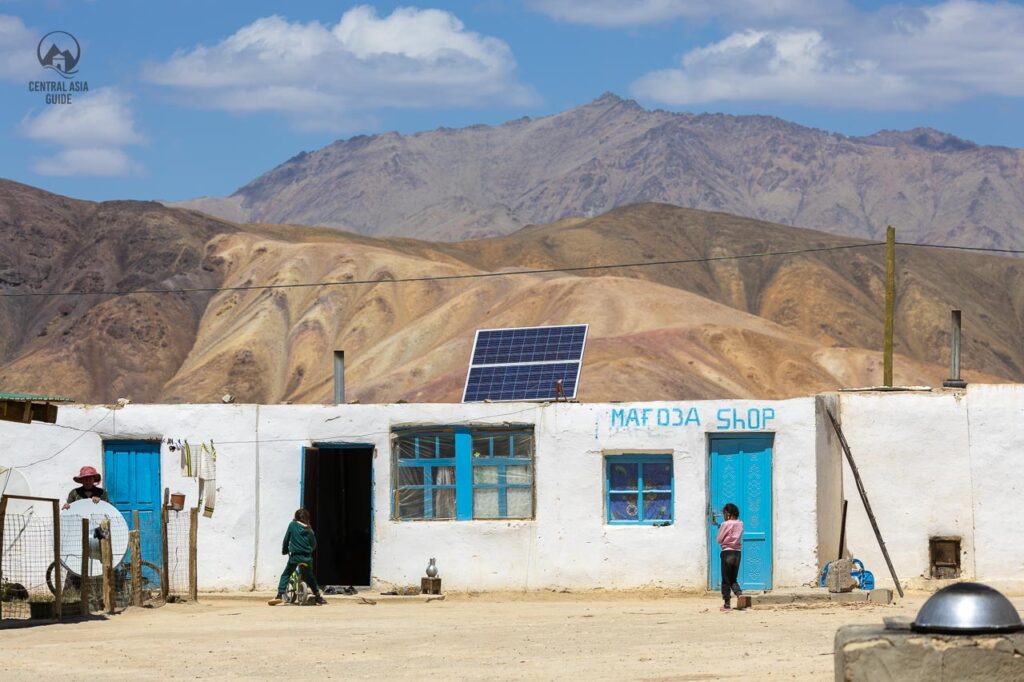
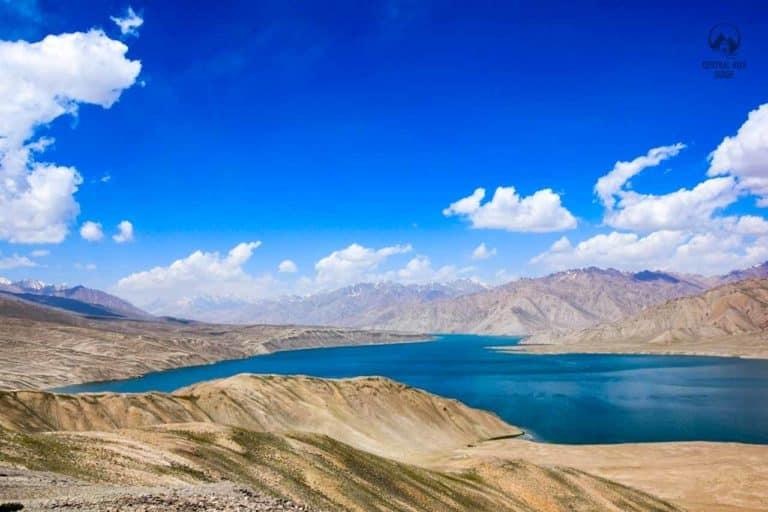
Drive along the Pamir River and over the Khargush Pass (4,344 m) to Bulunkul, the coldest place in Tajikistan, and on to Yashilkul (Green Lake) to enjoy the beauty of the lake. Continue to Alichur past the Sasykul and Tuzkul lakes and their beautiful landscapes, and in the afternoon drive on to Murghab. Overnight in a guesthouse in Murghab. Altitude: start of the day 2,900 m (Langar), highest point 4,344 m (Khargush Pass), end of the day 3,630 m (Murghab).
Khargush Pass, Yashikul and Bulunkul lakes, Alichur, Murghab
- Langar → Murghab (275 km)
Overnight: Murghab (Guesthouse)
- Toilet: Shared (indoor)
Meals: Breakfast, Lunch, Dinner
A day trip into the Madiyan Valley shows the Eastern Pamir landscape from a different perspective. Picnic lunch in the shade of rare trees on the riverbank. On the way back to Murghab in the evening, you walk some parts of the way through the amazing landscape. Overnight in a guesthouse in Murghab – camping in tents near the Murghab River is also possible. Altitude: start of the day 3,630 m (Murghab), 3,500 m in Madiyan village.
Madiyan Valley, Murghab
- Murghab → Madiyan Valley (40 km)
- Madiyan Valley → Murghab (40 km)
Overnight: Murghab (Guesthouse)
- Toilet: Shared (indoor)
Meals: Breakfast, Lunch, Dinner
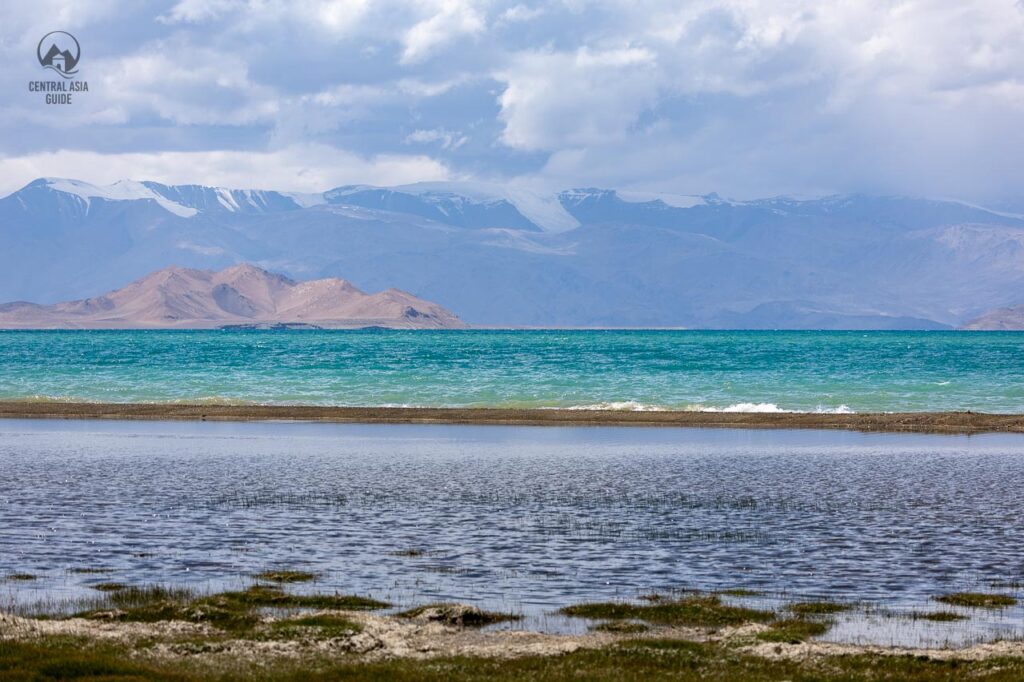
Leave Murghab for the Rangkul and Shorkul lakes, with a good chance to see the rare bar-headed goose (Anser indicus). Then head for Karakul ('Black Lake'), the biggest lake in Tajikistan, over the Ak-Baital Pass (4,656 m), the highest point of the Pamir Highway, with a short stop near the first Tsarist Russian military post in the Pamirs. In the afternoon, a walk along the shore of Lake Karakul. Overnight in a homestay or yurt in Karakul village. Altitude: start of the day 3,630 m (Murghab), highest point 4,656 m (Ak-Baital Pass), end of the day 3,930 m (Karakul).
Rangkul Lake, Ak-Baital Pass, Lake Karakul
- Murghab → Lake Karakul (210 km)
Overnight: Lake Karakul (Homestay)
- Toilet: Shared (indoor)
Meals: Breakfast, Lunch, Dinner
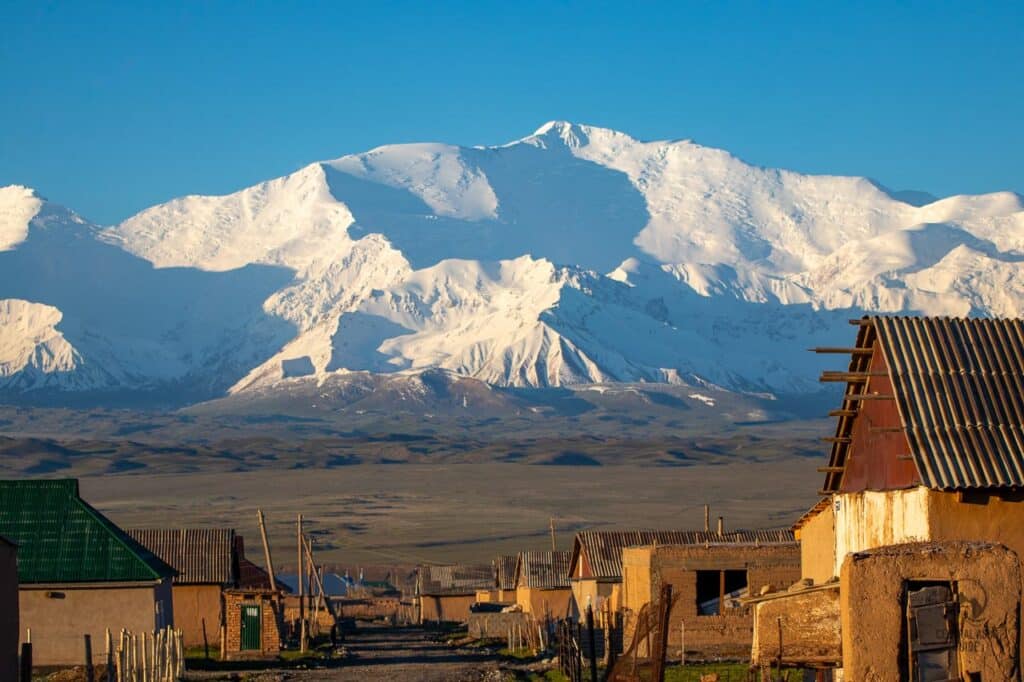
Leave Karakul for Sary-Tash in Kyrgyzstan, with a short stop at the Karaart geoglyphs (8th–3rd century BC). The Tajik–Kyrgyz border crossing at the Kyzyl-Art Pass takes about 1.5 hours. After lunch, explore the village of Sary-Tash – on a clear day you can see Lenin Peak (7,134 m), also called Ibn Sina Peak. In the afternoon, drive on to Osh through villages and over two passes, with a very different landscape. Overnight in a hotel in Osh. Altitude: start of the day 3,930 m (Karakul), highest point 4,282 m (Kyzyl-Art Pass), end of the day 950 m (Osh).
Kyzyl-Art border control, Sary-Tash, Osh
- Lake Karakul → Osh (294 km)
Overnight: Osh (Hotel)
- Shower: Yes
- Toilet: Private (in the room)
Meals: Breakfast, Lunch
Download the itinerary
Tour Price
Private Tour Price
| Price per person Group Size | Price |
|---|---|
| 2 travelers | $1,372 |
| 4 travelers | $976 |
| 6 travelers | $1,089 |
| 8 travelers | $976 |
Share this tour privately
Travelling alone or as a couple? Join other travellers who want to take this tour privately, or post your own request. The private price per person drops as the group grows.
No open requests for this tour yet. Post the first one and we'll show it here and on the group requests page.
What's included
Included
- ✓Transport in a 4x4 vehicle, including fuel
- ✓Meals, including 1.5 l of drinking water per person per day
- ✓Accommodation, including 1 night in Dushanbe and 1 night in Osh
- ✓Entrance fees (hot springs, museums, Botanical Garden and National Park)
- ✓GBAO permit
- ✓Office charge, including tax
Not included
- –Insurance
- –Guide service
- –Single room supplement
- –All other personal expenses
Nargiza is the office manager of Central Asia Guide and mostly responsible for multi country "Stan" tours.
Where you'll stay
-
Night 1
Kalai Khum
Guesthouse in Kalai-Khumb or similar
-
Night 2
Khorog
Pamir Alibaba Hotel or similar
-
Night 3
Langar
Homestay in Langar or similar
-
Nights 4–5
Murghab
Guesthouse in Murghab or similar
-
Night 6
Lake Karakul
Homestay in Karakul or similar
-
Night 7
Osh
Sunrise Hotel or similar
Good to know
- Afghan border bazaar: On Saturdays (9:00–15:00) you can visit the Afghan border bazaar in Kalai-Khumb, Khorog or Ishkashim – please check with us whether it is open during your trip.
- Extensions: On request we can add one more day of trekking with a night in Jizev village in the Bartang Valley, or one more day of trekking to the Engels Peak meadow camp.
What to bring
- Comfortable walking or hiking shoes
- Warm clothes and rain clothes
- Sunscreen, a sun cap and sunglasses
- Personal medications
Tajikistan travel information
Practical essentials for each country on this tour. Open a topic to read more.
Visa policy
Find your country from the list and check possible visa requirements for Kyrgyzstan and Tajikistan before booking.
The official currency is the somoni (TJS). US dollars are accepted in some places, but the somoni is what you use day to day.
ATMs
Withdrawing cash can be difficult, so carry some cash with you. There are ATMs in Dushanbe, Panjakent, Khujand, Khorog, Isfara, Istaravshan and Bokhtar (Kurgan-Tube), and even in smaller towns, but not in Murghab. Eskhata Bank in Dushanbe is a reliable choice for US dollars and has a generous limit for somoni withdrawals. ATMs may be harder to find at weekends, and ATMs that take Mastercard can be tricky to find.
Exchanging money
US dollars and euros are widely accepted, though in rural areas without exchange offices people often prefer dollars. Changing money on the black market is illegal.
The overall security situation is generally stable and Dushanbe is relatively safe, though robbery and petty crime occasionally happen, and foreigners can be targets.
Documents
Always carry a copy of your passport's photo page, as the authorities may ask for identification.
Staying safe
- Avoid demonstrations and large gatherings, and stay alert in public places.
- Do not leave drinks unattended, decline drinks from strangers and keep an eye on how much you drink.
- If you are followed or harassed at the airport, report it right away to your tour agent or the consular office at the airport.
- Women travelling alone may face unwanted attention or harassment.
Laws and customs
- Respect local traditions, customs, laws and religions.
- Smoking while walking in the street is prohibited.
- Possessing or using drugs is strictly illegal.
- Photographing anything related to the military or security services can cause trouble with the authorities.
- Same-sex relationships are not illegal, but local views are conservative and tolerance varies, especially outside the major cities.
Roads and services
- Vehicles are often poorly maintained and driving standards are basic. Fuel stations are rare outside the cities and emergency services may not be available, so bring what you need and expect delays.
- Roads outside the major cities are poor and some are passable only by four-wheel drive. Spring is especially hazardous because of avalanches and landslides.
- Energy and water shortages and power cuts are common, especially in winter and spring and mostly outside Dushanbe.
Border areas and nature
- Avoid the border area with Afghanistan because of the unstable security situation there.
- Kyrgyzstan and Tajikistan signed a border treaty in 2025 after the clashes of 2022, and the northern Sughd region, including Khujand, is safe to visit.
- Tajikistan is prone to earthquakes, avalanches, landslides and floods.
Visitors from many countries can travel to Tajikistan visa-free. Leave the country before your visa or visa-free stay runs out, to avoid fines and having to get an exit visa.
Pamirs (GBAO) permit
A permit is required to visit the Gorno-Badakhshan Autonomous Region (GBAO).
Borders and customs
Tajikistan's borders can close at short notice. Declare large amounts of money on arrival, and show the customs declaration when you leave.
The best months to explore Tajikistan are April, May, June, September and October. September may be the very best: the heat on the plains has eased and nearly all mountain passes are still open.
Autumn
In September the markets are full of fresh produce and the landscape turns golden.
The Pamirs
The best time to visit the Pamirs is August.
Summer and winter
Summers are dry and very hot, up to 40°C in the lowlands. Winters can be extremely cold, down to −20°C in the mountains, and heavy snow in the west can disrupt winter routes and close the high passes.
Medical facilities in Tajikistan are limited and essential medicines are often in short supply. Outside Dushanbe facilities are basic, and some areas have almost none.
Insurance
Before you go, check that your destination can provide any medical help you might need, and make sure your travel insurance covers treatment and unexpected medical evacuation. If you are sent to a medical facility, contact your insurer straight away.
Medicines
Some medicines containing codeine are strictly prohibited. Check that any medication you bring is legal, and declare all medicines and other restricted items on arrival.
Vaccinations and risks
Ticks are common in forests and rural areas from spring to autumn. Improperly disposed uranium and pesticides in the northern Sughd region are a possible health hazard. At a minimum, get vaccinated against hepatitis A and B and tetanus before your trip.
The official currency is the Kyrgyz som (KGS). Bishkek has plenty of ATMs, but outside the larger towns and the northern shore of Issyk-Kul cash is how almost everything is paid.
ATMs and cards
Some ATMs in Bishkek dispense US dollars as well as som. Beyond the capital, ATMs are found in the few largest towns but mostly not in smaller ones, except on the northern shore of Issyk-Kul. Mastercard works in all ATMs, but Visa is still the more widely accepted card. Demirbank's red ATMs have lately been the best option for foreign cards, with moderate fees.
Exchanging money
Exchange offices in the major cities change US dollars, euros and roubles into som. Notes must be clean, fresh and without any signs of wear. Exchange offices prefer larger notes from 50 USD and 50 EUR, and sometimes give a better rate for them.
Paying by card
Cards are accepted in major hotels, restaurants, large supermarkets and some museums in Bishkek and Osh, and occasionally even in taxis. Elsewhere, apart from the northern shore of Issyk-Kul, paying by card is not practical.
Kyrgyzstan is generally safe for travellers and tourism is growing fast, but the usual precautions matter.
Documents
Always carry your passport or a notarised copy. Without proper identification you can be detained by the police.
In towns
- Robberies, some of them violent, and thefts happen especially in crowded places such as the bazaars. Take care after dark.
- Sexual harassment has been reported on public transport. Avoid walking or travelling alone, especially at night.
- Book taxis in advance from established services.
- Stay away from crowds and demonstrations.
- Watch where you step: some streets have large holes and pavements are often uneven.
Laws and customs
- Respect local traditions, customs, laws and religious practices.
- Possessing or using narcotics is strictly prohibited.
- Do not photograph anything related to the armed forces or security services.
- Same-sex relationships are legal but not widely discussed or publicly recognised.
Border areas
Smuggling makes the southern border zones with Uzbekistan and Tajikistan unstable and best avoided.
Kyrgyzstan is visa-free for travellers from many countries. Others can apply for an electronic visa or through an embassy.
Visas
For a tourist visa, most passport holders need an invitation letter from a tourism company. Kyrgyzstan has had an electronic visa system since 1 September 2017.
Border regions
Visiting border regions requires a special permit.
The best times to visit Kyrgyzstan's lower areas are May–June and September. In the high mountains, July and August are best.
Lower areas: May–June and September
In late spring and early autumn the valleys, Issyk-Kul's shores and the towns are green or golden, days are pleasant rather than hot and there are fewer visitors.
High mountains: July and August
This is when the high pastures, yurt camps and mountain passes are open, and trekking and horse-riding routes that are under snow the rest of the year can be reached. Days in the valleys can reach about 30°C, and nights at altitude can still be close to freezing. Summer is also the time of festivals celebrating Kyrgyz traditions.
Winter
Winters in the highlands are long and close the high passes, but it is still a captivating season. Hiking, horse riding and skiing are all possible, and yurt stays are available too.
Healthcare in Kyrgyzstan is basic and medical facilities are scarce, so comprehensive medical and travel insurance is essential.
Medicines
If you rely on regular medication, bring enough for the whole trip: it can be hard or expensive to find locally.
Insurance
Arrange comprehensive medical and travel insurance before you arrive. A serious accident or illness may mean emergency air evacuation to a neighbouring country.
Food and water
Treat tap water and other local water as contaminated and boil it before drinking; bottled water is the safest choice throughout your stay. Be careful with unpasteurised dairy and other animal products.
Vaccinations
Vaccinations against polio and tuberculosis are recommended before entering the country, and others may also be advisable. Ask your doctor or travel clinic.
Similar tours
More tours in Tajikistan and Kyrgyzstan.
15 days
Sale
Five Stans of Central Asia Tour
Start on an extraordinary adventure across the heart of Central Asia with our Five Stan Tour, exploring the unique…
- Culture
- Hiking
- +3
Starts in Ashgabat Next departure 22/12/2026
18 days
Sale
Four Stan Tour through Central Asia
Discover the legendary Silk Road on this 18-day small-group tour through Kyrgyzstan, Kazakhstan, Tajikistan and…
- Culture
- Multi-country
- +2
Starts in Bishkek Next departure 03/04/2027
22 days
Featured
The Best of the Five Stan Tour
Embark on a 22-day journey through all five countries of Central Asia, beginning in Bishkek and ending in Ashgabat. In…
- Culture
- Multi-country
- +2
Starts in Bishkek Next departure 30/10/2026
Tour updated